What Is Dendritic Cell Therapy for Cancer?-How Ayurveda Can Help
Introduction
The paradigm of oncology is shifting from solely targeting tumors to empowering the host. While conventional treatments focus on destroying cancer cells directly, immunotherapy leverages the body’s own immune system, utilizing its natural precision and long-term memory to recognize and eliminate malignancies. At the forefront of this cellular renaissance is dendritic cell (DC) therapy. Dendritic cells act as the immune system’s ultimate messengers; they capture tumor-specific antigens and present them to T-cells, effectively training the body to launch a targeted, systemic counterattack against the cancer. However, true eradication requires a multi-front strategy. Integrative oncology bridges this advanced biotechnology with evidence-based supportive therapies, optimizes the internal microenvironment, mitigates treatment side effects, and strengthens patient resilience. By combining cutting-edge immunology with holistic care, it transforms cancer management from a war on biology into a comprehensive restoration of health. Let’s discuss it in detail!
What Are Dendritic Cells?
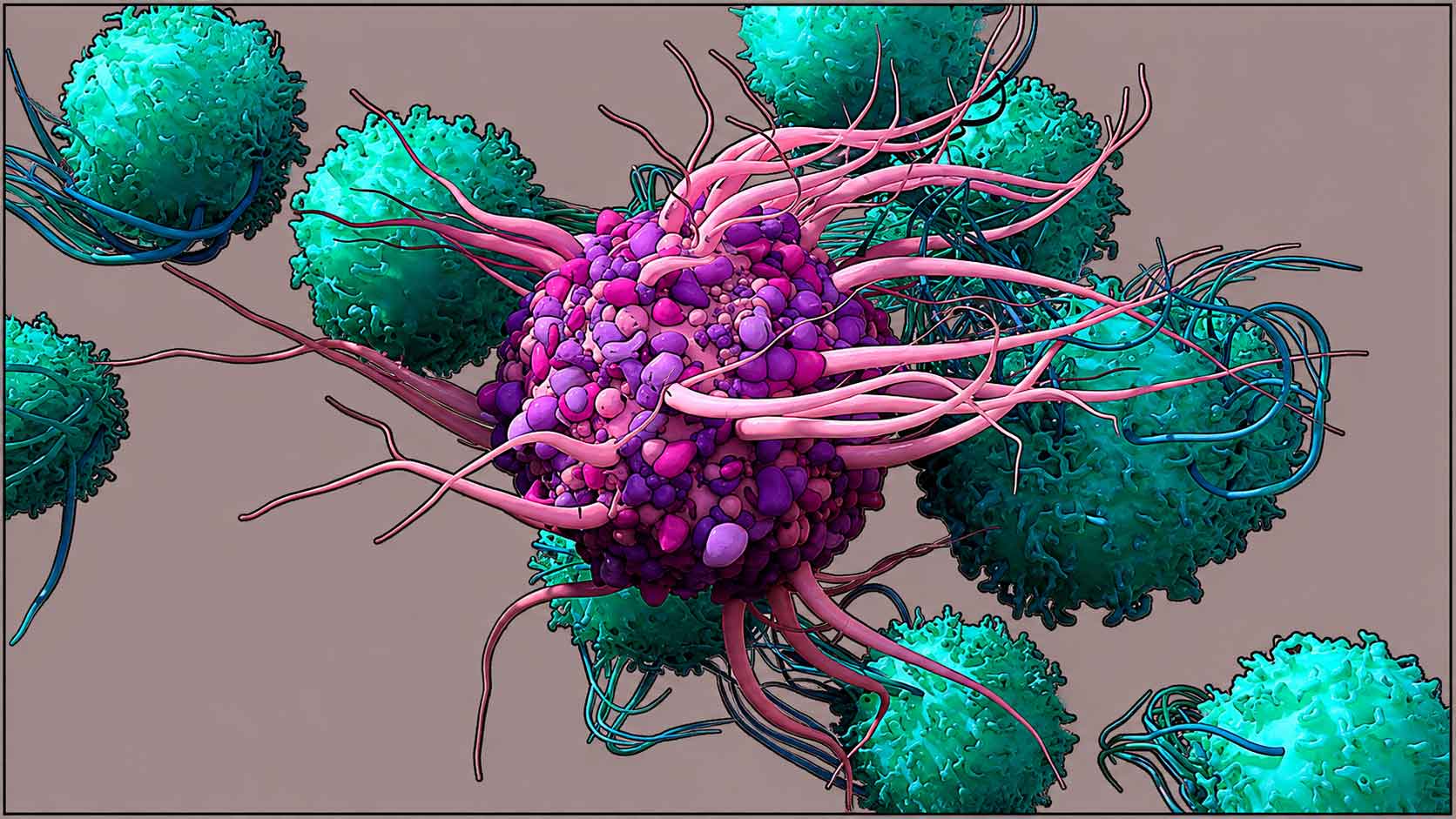
Dendritic cells (DCs) are specialized immune cells characterized by their unique, tree-like structural projections. Discovered in 1973 by Ralph Steinman—a breakthrough that earned him the 2011 Nobel Prize in Physiology or Medicine—these cells serve as the critical bridge between innate and adaptive immunity. Formed in the bone marrow, DCs reside in tissues exposed to the external environment, such as the skin (as Langerhans cells), the inner linings of the nose, lungs, and stomach, as well as the blood and lymphoid organs. They are the body’s premier professional antigen-presenting cells (APCs). Acting as cellular sentinels, they continuously patrol for threats, engulf foreign or mutated proteins, and process them into recognizable pieces. DCs then migrate to the lymph nodes to present these specific antigens to naive T-cells, effectively decoding the threat and launching a targeted, systemic immune response against pathogens or malignant cancer cells.
How Does the Immune System Normally Recognize Cancer?
Here is an analysis of how the immune system interacts with developing malignancies, moving from detection to the mechanisms of evasion.
1. Recognition
Surveillance & Antigens- Through immune surveillance, the immune system constantly patrols for abnormalities. It recognizes cancer via tumor antigens on the cell surface:
- Tumor-Specific Antigens (TSAs): Unique proteins caused by genetic mutations (neoantigens).
- Tumor-Associated Antigens (TAAs): Normal proteins that are abnormally overexpressed by the tumor.
Dendritic cells capture these antigens and present them to T-cells to trigger a targeted attack.
2. Evasion
The Escape Phase- Cancers bypass this defense through a process called immunoediting. While the immune system initially eliminates abnormal cells, surviving cancer cells mutate under immune pressure until they evolve variants that completely escape detection.
4. Suppression
Tolerance & The Microenvironment- To survive, the tumor actively paralyzes the host immune response:
- Immune Tolerance: Cancers exploit the body’s natural safety “off-switches.” They present themselves as normal “self” tissue or upregulate inhibitory checkpoints like PD-L1, which directly deactivates attacking T-cells.
- The Tumor Microenvironment (TME): The tumor builds a protective shield by recruiting suppressive cells (like Tregs and MDSCs) and secreting inhibitory chemicals (like TGF-beta). It also creates an acidic, nutrient-depleted zone that metabolically starves and deactivates invading immune cells.
What Is Dendritic Cell Therapy?
Dendritic Cell (DC) Therapy is an advanced cellular immunotherapy that acts as an autologous (self-derived) personalized cancer vaccine, custom-engineered from a patient’s own immune sentinels to eliminate their specific tumor. Unlike mass-produced preventive vaccines that prime the immune system to block foreign viruses (like HPV) before infection, DC therapy is a therapeutic intervention designed to actively train the body to destroy an already established, mutated malignancy. This mechanism represents a fundamental shift from traditional chemotherapy; while chemotherapy acts as a non-specific chemical hammer that indiscriminately destroys all rapidly dividing cells—causing severe side effects like hair loss and bone marrow suppression—DC therapy possesses biological precision. By isolating a patient’s monocytes, priming them with tumor antigens in a laboratory, and reinfusing them, this therapy selectively directs cytotoxic T-cells to hunt down cancer cells while sparing healthy tissue, resulting in a highly favorable safety profile and establishing long-term immunological memory to prevent future recurrence.
How Is Dendritic Cell Therapy Prepared?
The complete workflow follows this precise sequence
Blood Collection
↓
Isolation of Monocytes
↓
Laboratory Differentiation into Dendritic Cells
↓
Loading with Tumor Antigens
↓
Maturation
↓
Injection Back into Patient
↓
Activation of T Cells
↓
Tumor Cell Killing
- Blood Collection: The patient undergoes leukapheresis, a non-invasive filtration process that separates and extracts the white blood cell layer while returning red blood cells and plasma to circulation.
- Isolation of Monocytes: In a specialized cleanroom laboratory, monocytes (immune precursor cells) are isolated from the harvested white blood cells.
- Laboratory Differentiation into Dendritic Cells: The isolated monocytes are cultured with specific signaling proteins—typically GM-CSF and IL-4—forcing them to transform into immature dendritic cells over several days.
- Loading with Tumor Antigens: The immature dendritic cells are “pulsed” or fed with the patient’s unique cancer markers (obtained from tumor tissue or synthetic peptides) so they can learn to recognize the target.
- Maturation: An activation cocktail of inflammatory proteins is added, causing the cells to mature and prominently display these tumor markers on their tree-like structural branches.
- Injection Back into Patient: The fully trained, mature dendritic cell vaccine is reintroduced into the patient’s body via subcutaneous, intradermal, or intravenous injection.
- Activation of T Cells: Once inside, these mature dendritic cells migrate directly to the lymph nodes, where they act as professional antigen-presenting cells to activate and multiply a massive army of naive T cells.
- Tumor Cell Killing: Armed with precise biological targets, these newly weaponized cytotoxic T cells (CD8+) circulate throughout the body, selectively seeking out, binding to, and destroying the malignant tumor cells.
Mechanism of Action
- Antigen Capture: Dendritic cells act as cellular sentinels, using their tree-like branches to engulf tumor-specific proteins (antigens) released by cancer cells.
- Processing: Inside the dendritic cell, these captured proteins are broken down into smaller, highly recognizable molecular fragments.
- MHC Presentation: The dendritic cell moves to the lymph nodes and displays these fragments on its surface using specialized docking platforms called Major Histocompatibility Complexes (MHC Class I and Class II).
- CD4 Activation: The cell presents antigens via MHC Class II to CD4+ Helper T-cells, which release signaling proteins (cytokines) to coordinate and amplify the entire immune response.
- CD8 Activation: Simultaneously, the cell presents antigens via MHC Class I to CD8+ Cytotoxic T-cells, providing them with the exact biological target needed to identify the cancer.
- Cytotoxic Response: These newly weaponized $CD8^+$ T-cells multiply, exit the lymph nodes, track down the tumor, and release lethal proteins (perforin and granzymes) to selectively destroy the cancer cells.
- Memory T-cell Formation: A subset of these activated T-cells transforms into long-lived Memory T-cells, remaining in the body for years to provide continuous surveillance and prevent tumor recurrence.
Indications of Dendritic cancer cell therapy
- Prostate Cancer
- Glioblastoma Multiforme (GBM)
- Melanoma
- Pancreatic Cancer
- Non-Small Cell Lung Cancer (NSCLC)
- Breast Cancer
- Ovarian Cancer
- Uterine Cancer
- Colorectal Cancer
- Renal Cell Carcinoma
- Malignant Pleural Mesothelioma
Key Advantages of Dendritic Cell Therapy
- Exceptional Safety Profile: Because it uses the patient’s own cells, it is highly non-toxic. Side effects are typically limited to mild, transient, flu-like symptoms or minor localized irritation at the injection site.
- High Biological Precision: Unlike systemic chemotherapy or radiation, it selectively targets and destroys cancer cells while completely sparing healthy surrounding tissues.
- Long-Term Immunological Memory: By training the adaptive immune system, it creates memory T-cells that continue to patrol the body for years, providing ongoing protection to prevent recurrence.
- 100% Personalized Treatment: Every vaccine is custom-engineered using the patient’s unique tumor antigen profile, meaning it directly addresses the specific mutations of their cancer.
- Synergistic with Standard Therapies: It can be seamlessly combined with chemotherapy, radiation, or checkpoint inhibitors, often enhancing their effectiveness without adding cumulative toxicity.
- Outpatient Convenience: The manufacturing happens in a specialized lab, while the actual administration requires only a quick, minimally invasive injection during a standard clinic visit.
Limitations and Challenges
Dendritic Cell (DC) therapy offers unmatched precision and safety by using a patient’s own cells, yet it faces steep biological and logistical challenges. The primary hurdle is the immunosuppressive tumor microenvironment, which secretes inhibitory chemicals that can paralyze reintroduced immune cells. Logistically, because each vaccine is a bespoke cellular product created from the patient’s own blood and tumor tissue, manufacturing takes two to four weeks—a window sometimes too slow for aggressive cancers. Additionally, this specialized process requires advanced cleanroom infrastructure, driving costs to around $100,000 and limiting universal accessibility.
Ayurveda’s Insight!
Classical Ayurveda maps the precise mechanisms of modern cancer immunotherapy through the paradigms of Vyadhikshamatva (immunity) and Ojas (vital resilience). The text defines immunity as a dual-action defense: directly fighting active pathology (Vyadhi-bala-virodhitvam, mirroring cytotoxic T-cell destruction) and preventing future recurrence (Vyadhutpada-pratibandhakatvam, matching long-term memory T-cell surveillance). In this framework, dendritic cells function as the physiological intelligence (Prana / Sadhaka Pitta) that decodes and presents threat signatures, while the suppressive tumor microenvironment represents a state of deep tissue metabolic failure (Dhatvagni-mandya) and structural channel blockage (Srotorodha). This localized stagnation creates an acidic, toxic zone that starves the immune system, leading to the depletion of vitality (Ojo-kshaya) and allowing the tumor (Arbuda) to entirely escape host detection. An integrative approach bridges these systems beautifully: while dendritic cell therapy delivers a highly precise cellular command to hunt down cancer antigens, systemic Rasayana therapies work to clear channel blockages and optimize the host biological terrain, ensuring the vaccine’s newly trained T-cells can penetrate the tumor without being deactivated upon arrival. Here are some ayurvedic herbs’ which supports In cancer management along with this therapy are as follows:-
1. Tulsi (Ocimum sanctum)
Known as Surasa or “The Incomparable One,” Tulsi is celebrated for its deep balancing effect on Vata and Kapha doshas. It acts as a potent Rasayana (rejuvenator) that builds Ojas (vital immunity) and dispels systemic toxins (Ama). It targets Abhyantara Sopha (internal tissue inflammation), protecting the subtle energetic channels of the body. Research identifies Tulsi (Ocimum sanctum) as a rich source of eugenol, rosmarinic acid, and apigenin. These phytochemicals exert powerful chemopreventive effects by inducing apoptosis in abnormal cell lines, preventing angiogenesis, and blocking metabolic pathways that cause DNA mutations. Furthermore, its radioprotective properties help safeguard healthy tissues during radiation therapy.
2. Guduchi (Tinospora cordifolia)
Giloy is Termed Amrita (the nectar of immortality), Guduchi is a premier Rasayana herb that balances all three doshas (Tridosha Shamaka). It possesses Deepana (digestive fire igniting) and Pachana (toxin digesting) properties. In classical literature, it is heavily relied upon to manage Visha (toxicity) and reduce chronic, deep-seated inflammatory fevers (Jirna Jvara). Modern oncology values Guduchi (Tinospora cordifolia) primarily as a highly effective immunomodulator. Active compounds like tinosporaside and cordifolioside A stimulate macrophages, natural killer (NK) cells, and specialized white blood cells. This safely elevates the body’s natural immune surveillance against malignant cells while mitigating the severe bone marrow suppression caused by conventional chemotherapy.
3. Haridra (Curcuma longa)
Derived from Haridra (Turmeric), Curcumin strongly pacifies all three doshas, particularly Kapha and Pitta. It is classically prized for its Lekhana (scraping) action on stagnant tissues, its Varnya (complexion-restoring) qualities, and its potent Rakta-Prasadana (blood-purifying) efficacy. It effectively clears Ama (toxic accumulations) from the deep structural channels (Srotas). Modern molecular biology isolates Curcumin as a highly potent anti-inflammatory agent. It directly downregulates Nuclear Factor-kappa B ($NF-\kappa B$), a master transcription factor that drives tumor cell survival, proliferation, and metastasis. By suppressing downstream inflammatory cytokines like $IL-6$ and $TNF-\alpha$, Curcumin halts tumor angiogenesis, forces targeted cell-cycle arrest, and triggers apoptosis in multiple drug-resistant malignant cell lines.
4. Ashwagandha (Withania somnifera)
Recognized as a premier Balya (strength-giving) and Brimhana (nourishing) Rasayana, Ashwagandha (Withania somnifera) deeply pacifies Vata and Kapha doshas. It directly nourishes the Mamsa (muscle), Asthi (bone), and Shukra (reproductive) dhatus. It is classically utilized to combat tissue wasting (Kshaya), restore vitality, and steady a stressed nervous system. Biomolecular research centers on active withanolides, particularly Withaferin A. This compound disrupts the structural vimentin cytoskeleton of cancer cells, inhibiting their migration and invasive potential. Furthermore, Ashwagandha acts as a powerful supportive agent in oncology; it stimulates hematopoiesis (blood cell production) to counter chemotherapy-induced bone marrow suppression and significantly reduces the debilitating fatigue and cachexia associated with advanced malignancies.
5. Guggul (Commiphora mukul)
This potent oleo-gum resin from Commiphora mukul is the absolute gold standard in Ayurveda for scraping away chronic accumulations (Lekhana). It balances Kapha and Vata, penetrates deep into the tissues (Sukshma), and is the cornerstone herb for treating Arbuda (tumors), Granthi (cysts), and stagnant, toxic obstructions within the body’s circulatory channels. Biomolecular studies focus extensively on guggulsterones, the highly active plant sterols found within the resin. Guggulsterones are potent inhibitors of Nuclear Factor-kappa B ($NF-\kappa B$), a master genetic switch that controls tumor cell survival, proliferation, and metastasis. By shutting down this specific pathway, Guggulu helps downregulate inflammatory cytokines and makes resistant cancer cells significantly more sensitive to therapeutic interventions.


Planet Ayurveda Products that can be used along with Dendritic Cell Therapy
Planet Ayurveda is a globally trusted Ayurvedic company dedicated to promoting authentic herbal wellness through the timeless Principles of Ayurveda and modern quality standards. The company offers over 300 carefully formulated herbal supplements, classical Ayurvedic formulations, herbal teas, and personal care products, all manufactured in GMP-certified facilities using premium-quality herbs. Every product undergoes rigorous quality testing to ensure purity, safety, and consistency. For individuals undergoing Dendritic Cell Therapy for Cancer, Planet Ayurveda also offers a wide range of Ayurvedic herbal formulations that may be used as complementary wellness support under the guidance of qualified healthcare professionals. These formulations are designed to support overall health, vitality, immune function, digestion, recovery, and quality of life while working alongside an integrative care approach.
1. Curcumin Capsules
These Capsules are loaded with Curcuminoids (highly purified extracts derived from Curcuma longa or turmeric). Curcumin acts as a multi-targeted phytochemical that suppresses tumor proliferation and survival. It downregulates critical inflammatory pathways—specifically Nuclear Factor-kappa B ($NF-\kappa B$) and STAT3—which drives malignancy. Furthermore, it inhibits angiogenesis (the formation of new blood vessels that feed tumors) and induces apoptosis (programmed cell death) in mutated cell lines. Curcumin modulates the tumor microenvironment by reducing immunosuppressive cytokines like $IL-6$ and $IL-10$. By alleviating this localized immune suppression, it creates a highly favorable environment for infused Dendritic Cells to effectively present tumor antigens to T-cells, enhancing the overall anti-tumor immune response.
Dosage – 1 cap twice daily
2. Kanchnaar Guggul
This tablet preparation is prepared using bark of Kanchnaar (Bauhinia variegata), combined with Guggul resin (Commiphora mukul), Triphala, and Trikatu. In traditional systems, it is the primary formulation used to treat Arbuda (tumors/cysts). The compound exhibits strong anti-inflammatory and anti-proliferative actions. Its unique therapeutic action lies in clearing lymphatic congestion and regulating glandular overgrowth. The guggulsterones within the resin actively inhibit the migration of cancer cells and disrupt the cellular survival pathways of solid tumors. Because it optimizes lymphatic drainage and reduces fluid stagnation around tumor sites, it enhances the physical trafficking of mature Dendritic Cells. This improved circulation enables DCs to migrate efficiently to the regional lymph nodes, where they must initiate the T-cell activation cascade.
Dosage – 2 tablets twice daily with plain water after meals.
3. Graviola Capsules
These capsules are prepared using Leaf extract of Annona muricata, standardized for its active Annonaceous acetogenins. Graviola is notable for its direct, potent cytotoxicity against drug-resistant malignant cells. Acetogenins act as selective inhibitors of Complex I in the mitochondrial electron transport chain of cancer cells. By cutting off the ATP (adenosine triphosphate) energy supply to these highly metabolic cells, Graviola starves the tumor, forcing cellular collapse while leaving normal, non-cancerous cells intact. The selective destruction of cancer cells by Graviola triggers a wave of immunogenic cell death. As these tumor cells rupture, they release distinct tumor-associated antigens (TAAs) and cellular danger signals. The newly introduced Dendritic Cells can easily capture these antigens, process them, and launch a highly targeted immune attack.
Dosage – 1 cap twice daily with plain water after meals.
4. Ashwagandha Capsules
These are prepared using root extract of Withania somnifera, rich in active withanolides (such as Withaferin A). Ashwagandha functions as a powerful adaptogenic and chemopreventive agent. Withaferin A disrupts the structural integrity of cancer cells by altering their vimentin cytoskeleton, effectively halting tumor metastasis and invasion. Additionally, it mitigates the extreme fatigue, cachexia (muscle wasting), and bone marrow suppression frequently induced by aggressive oncology protocols. Ashwagandha is a proven immune modulator. It actively stimulates the maturation and antigen-presenting capabilities of native Dendritic Cells while promoting a Th1-skewed immune response. This ensures that the cytotoxic T-lymphocytes generated during DC therapy are highly aggressive and long-lasting.
Dosage – 1 cap twice daily with plain water after meals.
5. Crab Arlu Capsules
Crab Arlu capsules are prepared using Standardized bark or leaf extract of Ailanthus excelsa (Tree of Heaven), rich in quassinoids like excelsin. Arlu acts primarily as a deep tissue detoxifier (Deepana-Pachana) and cytotoxic agent. Its active quassinoids disrupt abnormal protein synthesis inside rapidly dividing cells, effectively stalling the cell-division cycle of the tumor. It also exhibits deep antioxidant properties that counter systemic DNA damage and chronic tissue inflammation. Arlu works by clearing metabolic waste products (Ama) and neutralizing systemic endotoxins that blunt immune recognition. By purifying the systemic circulation, it removes biochemical interferences that might otherwise blind or exhaust infused Dendritic Cells, optimizing their surveillance capacity.
Dosage – 1 cap twice daily with plain water after meals.
6. Crab Artemisinin Capsules
They are Pure and prepared using standardized extract isolated from the sweet wormwood plant (Artemisia annua). Artemisinin exploits a critical vulnerability of cancer cells: their abnormally high intake of iron. Malignant cells express high concentrations of transferrin receptors to accumulate iron for rapid growth. When artemisinin enters these iron-rich cells, it reacts to create a massive surge of localized reactive oxygen species (ROS) and free radicals, shattering the cancer cell’s internal structures from within. The rapid, ROS-driven destruction of the tumor microenvironment functions as an “immune alarm.” The sudden debris field of dead tumor cells provides an immediate, abundant harvest of specific antigens for Dendritic Cells to engulf, accelerating the speed and precision of the body’s adaptive immune response.
Dosage – 1 cap twice daily with plain water after meals.
Conclusion
In conclusion, combining classical Ayurvedic botanicals with cutting-edge biomedical protocols like Dendritic Cell therapy represents a highly promising frontier in integrative oncology. While traditional herbs like Tulsi, Guduchi, Guggulu, Curcumin, and Ashwagandha work systemically to pacify aggravated doshas, clear toxic accumulations (Ama), and alleviate the immunosuppressive pressures of the tumor microenvironment, modern targeted therapies can more effectively identify and destroy malignant cells. This dual approach not only enhances selective cytotoxicity and stimulates robust, long-lasting T-cell responses, but also safeguards healthy tissues, mitigates the grueling side effects of conventional oncology, and substantially improves the patient’s overall quality of life.