Complex Regional Pain Syndrome (CRPS) Treatment in Ayurveda
Abstract
Complex Regional Pain Syndrome (CRPS) is a chronic pain disorder that usually develops after an injury, surgery, fracture, or other trauma, although the severity of pain is often much greater than expected. It commonly affects one limb and may present with persistent pain, swelling, changes in skin color and temperature, stiffness, and reduced movement. The exact cause is not fully understood, making diagnosis and treatment challenging. Early recognition and timely management are important to reduce symptoms and improve quality of life.
Statistics for Complex Regional Pain Syndrome
- The estimated incidence of Complex Regional Pain Syndrome (CRPS) ranges from 5.5 to 26.2 new cases per 100,000 person-years in the general population.
- Women are affected more frequently than men, with studies reporting a female-to-male ratio of approximately 2:1 to 4:1.
- Fractures and traumatic injuries are the most common precipitating events, although CRPS may also develop after surgery or other tissue injuries.
- CRPS Type I, which occurs without demonstrable nerve injury, represents approximately 90% of all diagnosed cases.
- CRPS Type II, characterized by confirmed peripheral nerve injury, constitutes the remaining about 10% of cases.
Facts about Complex Regional Pain Syndrome
- Complex Regional Pain Syndrome (CRPS) can develop after both minor and major injuries, and it may affect individuals of any age.
- In some young and otherwise healthy individuals, mild cases may improve over time. However, most patients require timely medical treatment to achieve better recovery and reduce complications.
- CRPS is associated with recognizable physical changes, including persistent pain, alterations in skin color, changes in skin temperature or texture, swelling, and restricted movement of the affected limb.
- The condition is chronic and multifactorial, with symptoms varying from person to person. As a result, treatment plans often need to be individualized.
According to the International Myeloma Working Group and World Health Organization (WHO), plasmacytomas are divided into the following types:
Epidemiology
- Plasmacytomas are uncommon tumors, typically affecting middle‑aged to older adults, with peak incidence between 50 and 60 years of age.
- Males are more frequently affected than females.
- The exact incidence varies globally, but the condition remains rare compared with multiple myeloma.
Introduction
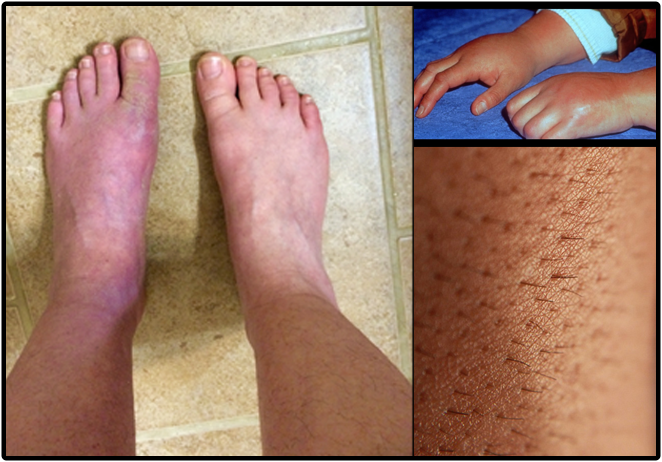
Complex Regional Pain Syndrome (CRPS) is a painful condition that usually affects one part of the body, most often an arm, leg, hand, or foot. Along with persistent pain, it may cause changes in skin color, temperature, swelling, and reduced movement in the affected area. The pain is often much more intense and lasts longer than expected from the original injury. The exact cause of CRPS is not fully understood, but it is believed to involve abnormal responses of the nervous system and immune system. If left untreated, the condition may progress and result in muscle weakness, joint stiffness, and functional disability
CRPS is classified into two types:
- Type I: This type develops after an injury or illness without any confirmed damage to a major nerve. It was previously called Reflex Sympathetic Dystrophy (RSD).
- Type II: This type occurs when there is a known injury to a specific nerve. It was formerly known as Causalgia.
Based on its duration, CRPS may also be:
- Acute CRPS: Symptoms last for less than six months.
- Chronic CRPS: Symptoms continue for more than six month
Symptoms of Complex Regional Pain Syndrome
The symptoms of Complex Regional Pain Syndrome (CRPS) can differ from one person to another. In most cases, they appear within 4 to 6 weeks after an injury, fracture, or surgery, although some people may develop CRPS without any obvious cause. Common symptoms include:
- Persistent pain: Pain is the most common and characteristic symptom of CRPS. Continuous or recurring pain that is often described as burning, throbbing, stabbing, or aching. The pain is usually much more severe than expected for the original injury.
- Increased sensitivity: Even a light touch, gentle pressure, or a small injury may cause intense pain. The affected area becomes extremely sensitive to painful stimuli. This heightened pain response is known as hyperalgesia.
- Pain from harmless contact: Everyday activities such as wearing clothes or touching the skin may become painful. This condition is known as allodynia.
- Numbness or altered sensation: Some people may notice numbness, tingling, pins-and-needles sensations, or a feeling of crawling or prickling in the affected limb. These abnormal sensations may occur continuously or intermittently and can interfere with normal daily activities.
- Swelling: The affected limb may become swollen, and the swelling may be constant or come and go. In some cases, swelling is mild, while in others it becomes more noticeable and restricts movement.
- Limited movement: Stiffness, weakness, and difficulty moving the affected arm or leg are common, making daily activities challenging. If left untreated, prolonged immobility may lead to muscle wasting and joint contractures.
- Changes in skin temperature: The skin may feel noticeably warmer or colder than the opposite limb. These temperature changes may fluctuate over time because of abnormal regulation of blood flow and nerve function.
- Changes in skin color: The affected area may appear red, pale, bluish, purple, or blotchy. Variations in skin color are often associated with changes in circulation to the affected area.
- Changes in skin texture: The skin may become thin, shiny, dry, or unusually sweaty due to changes in autonomic nerve activity.
- Abnormal hair and nail growth: CRPS can alter the normal growth pattern of hair and nails. Hair and nails may grow faster or slower than normal, and nails may become brittle.
- Muscle spasms and tremors: Some individuals develop involuntary muscle spasms, shaking, tremors, or muscle twitching in the affected limb. These symptoms can further reduce coordination and make movements difficult.
Causes of Complex Regional Pain Syndrome
The exact cause of Complex Regional Pain Syndrome (CRPS) is still not fully understood. Researchers believe that the condition develops because of an abnormal response of the nervous system and immune system after an injury. Instead of healing normally, the body continues to produce pain and inflammation, leading to long-lasting symptoms. Several factors are associated with the development of CRPS that include:
- Nerve Injury – Damage to small sensory and autonomic nerve fibers is considered one of the main causes of CRPS. These nerves carry pain and temperature signals and help regulate blood flow, sweating, and skin health. Injury to these nerve fibers can result in abnormal pain signals and changes in the affected limb.
- Fractures – Bone fractures are among the most common events linked with CRPS. Fractures involving the wrist, hand, foot, or ankle carry a higher risk. A severe fracture, displaced bone, or pressure around the injured area may affect nearby nerves and trigger the condition.
- Surgery – CRPS may develop after surgical procedures. During surgery, nerves can be irritated or injured due to the incision, tissue handling, or the healing process. Although surgery is performed to treat a problem, it can occasionally lead to abnormal nerve responses.
- Sprains and Soft Tissue Injuries – Ligament sprains, muscle strains, and injuries to tendons or other soft tissues may also contribute to CRPS. Even when there is no fracture, overstretching or damage to surrounding tissues can affect nearby nerves and initiate persistent pain.
- Burns, Cuts, and Bruises – Thermal burns, deep cuts, and severe bruises can injure small nerve fibers beneath the skin. In some individuals, this damage may trigger prolonged inflammation and abnormal pain, increasing the likelihood of CRPS.
- Abnormal Immune and Inflammatory Response – An overactive immune response is believed to play an important role in CRPS. Following an injury, the body may continue to release inflammatory substances even after healing has begun. Persistent inflammation can contribute to pain, swelling, and changes in the skin and blood vessels. Individuals with inflammatory or autoimmune disorders may have a higher risk.
- Genetics – Although CRPS is not considered a hereditary disease, research suggests that genetic factors may influence a person’s susceptibility. Rare cases occurring within the same family indicate that certain inherited traits may affect the way the body responds to nerve injury and inflammation.
Diagnosis of Complex Regional Pain Syndrome
Diagnosing Complex Regional Pain Syndrome (CRPS) can be difficult because its symptoms are similar to those of several other medical conditions. There is no single laboratory test or imaging study that can confirm CRPS. Therefore, the diagnosis is mainly based on clinical evaluation and the exclusion of other disorders. The diagnostic process generally includes the following:
1. Medical History
The healthcare provider takes a detailed medical history, including information about recent injuries, fractures, surgeries, infections, or other events that may have triggered the symptoms. The onset, duration, and progression of pain are also carefully assessed.
2. Physical Examination
A thorough physical examination is performed to evaluate the affected limb. The healthcare provider looks for characteristic signs such as: persistent pain that is greater than expected for the original injury, swelling in the affected area, changes in skin color or skin temperature, alterations in skin texture, such as shiny or thin skin, increased sensitivity to touch or pain, restricted joint movement, stiffness, or muscle weakness and changes in hair and nail growth.
- Imaging Studies – Imaging tests may be recommended to identify underlying injuries or rule out other conditions. These may include:
- Magnetic Resonance Imaging (MRI): Helps evaluate soft tissues, bones, and possible nerve-related changes.
- Ultrasound: May be used to detect soft tissue abnormalities or exclude conditions such as blood clots. However, imaging findings alone cannot confirm CRPS.
- Electrodiagnostic Tests – Tests such as Electromyography (EMG) and Nerve Conduction Studies (NCS) may be performed when nerve injury or peripheral neuropathy is suspected. These investigations help differentiate CRPS from other neurological disorders.
The diagnosis of CRPS is primarily based on a combination of medical history, clinical examination, and characteristic symptoms. Additional investigations are mainly used to exclude other disorders rather than to confirm CRPS. Early diagnosis is essential because prompt treatment offers the best chance of reducing pain and preserving limb function.
Management of Complex Regional Pain Syndrome
The Treatment of Complex Regional Pain Syndrome (CRPS) aims to reduce pain, improve movement, restore normal function of the affected limb, and enhance the patient’s quality of life. A combination of different treatment approaches usually provides the best results.
- Physical Therapy and Occupational Therapy – These therapies help maintain joint mobility, improve muscle strength, and prevent stiffness caused by prolonged inactivity. Gentle stretching and range-of-motion exercises improve flexibility. Muscle-strengthening exercises help restore limb function. Gradual weight-bearing activities encourage normal use of the affected limb. Desensitization techniques reduce sensitivity to touch. Occupational therapy helps patients perform daily activities such as dressing, writing, cooking, and personal care more comfortably. Regular therapy can reduce disability and improve independence.
- Lifestyle Changes – Healthy lifestyle habits can support recovery and reduce the severity of symptoms. Staying physically active within comfortable limits helps prevent stiffness. Avoiding complete immobilization of the affected limb promotes better circulation and healing. A balanced diet rich in vitamins, minerals, and protein supports tissue repair. Adequate sleep helps the body recover and may reduce pain perception.Quitting smoking and limiting alcohol intake improve blood circulation and nerve health.Stress management through relaxation techniques may help reduce symptom flare-ups.
- Psychosocial and Behavioral Therapy – Living with long-term pain can affect emotional and mental well-being. Psychological support helps patients cope with the challenges of CRPS. Cognitive Behavioral Therapy (CBT) teaches strategies to manage chronic pain and negative thought patterns. Family education and support encourage better understanding of the condition.
- Medications – Medicines are commonly used to relieve pain, reduce inflammation, and improve overall comfort. The choice of medication depends on the severity of symptoms and the patient’s individual needs. Pain-relieving medicines may help reduce mild to moderate pain. Anti-inflammatory medications may decrease inflammation during the early stages. Muscle relaxants may be prescribed if muscle spasms are present.
- Alternative Therapies for Pain Management – Some complementary therapies may help reduce pain and improve function when used alongside conventional treatment. Acupuncture may help relieve pain in some individuals. Mirror therapy can improve movement and reduce pain, particularly in affected hands or feet. Transcutaneous Electrical Nerve Stimulation (TENS) may help decrease pain by delivering mild electrical impulses to the skin. Heat or cold therapy may provide temporary relief in selected patients, depending on symptom tolerance. Mindfulness meditation, yoga, and guided relaxation techniques may help reduce stress and improve pain coping abilities.
Ayurveda Insights
From an Ayurvedic viewpoint, Complex Regional Pain Syndrome can be understood as a disorder involving predominant Vata aggravation, with varying involvement of Pitta, Kapha, Rakta, Mamsa, and the body’s channels (Srotas). The condition is assessed according to the individual’s dosha imbalance, affected tissues, digestive strength, and overall constitution. Ayurvedic management aims to restore doshic balance, support healthy tissue nourishment, improve circulation, and promote overall functional well-being through individualized treatment approaches.
Pathogenesis of Complex Regional Pain Syndrome
Complex Regional Pain Syndrome (CRPS) is not directly described in Ayurveda but can be understood as a Vata-predominant disorder triggered by trauma, surgery, or fractures. Injury aggravates Vyana Vata, causing severe pain, hypersensitivity, numbness, and restricted movement. Simultaneously, aggravated Pitta produces burning, redness, warmth, and inflammation, while Kapha contributes to swelling and stiffness. The disturbed doshas affect Rakta, Mamsa, Asthi, and Majja Dhatus, impairing tissue nourishment and function. Obstruction of Raktavaha, Mamsavaha, and Majjavaha Srotas, along with the formation of Ama, further sustains pain, inflammation, tissue degeneration, and delayed recovery.
Herbal Remedies for CRPS by Planet Ayurveda
Planet Ayurveda is a well-established Ayurvedic healthcare organization that works to promote the ancient knowledge of Ayurveda through natural remedies and holistic health solutions. The company develops a wide range of herbal formulations using pure, high-quality ingredients and standardized herbal extracts, with a focus on maintaining safety, authenticity, and effectiveness. Following the principles of classical Ayurveda, Planet Ayurveda aims to support overall health by addressing the underlying causes of health concerns and encouraging balance in the body, mind, and emotions. With an emphasis on quality, natural ingredients, and traditional approaches supported by modern research, the organization works toward making Ayurvedic wellness solutions available globally. We will explore various herbal approaches used for the management of CRPS according to Ayurvedic principles. The herbal formulations are:
- Ashwagandha capsules
- Musli strength
- RumoGin 5 capsules
- Yograj guggul
- Nourish-Maxx powder


Product Description
1. Ashwagandha capsules
Ashwagandha Capsules contain Ashwagandha (Withania somnifera), a well-known Ayurvedic herb valued for its Balya (strength-promoting) and Rasayana (rejuvenating) properties. In the Management of Complex Regional Pain Syndrome (CRPS), Ashwagandha helps support nerve and muscle health while promoting the balance of aggravated Vata Dosha, which is considered the primary factor behind chronic pain and stiffness in Ayurveda. Its natural anti-inflammatory and antioxidant properties may help reduce inflammation, protect tissues from oxidative stress, and support healthy nerve function. Regular use may also help improve muscle strength, enhance physical endurance, reduce stress, and promote overall recovery and quality of life as part of a comprehensive management approach.
Dosage: 2 Capsules twice daily, with plain water, after meals.
2. Musli strength capsules
Musli Strength Capsules contain Safed Musali (Chlorophytum borivilianum) and Gokshura (Tribulus terrestris), two Ayurvedic herbs known for their nourishing and rejuvenating properties. In Complex Regional Pain Syndrome (CRPS), these herbs help strengthen muscles, support healthy nerve function, and improve overall physical stamina. Their Balya and Rasayana properties help balance aggravated Vata Dosha, which is associated with chronic pain and weakness. Regular use may support tissue nourishment, reduce fatigue, promote recovery, and improve mobility and overall physical well-being.
Dosage: 2 Capsules twice daily.
3. RumoGin 5 capsules
Rumo Gin 5 Capsules contain Haridra (Curcuma longa), Sonth (Zingiber officinale), Shallaki (Boswellia serrata), Maricha (Piper nigrum), and Pippali (Piper longum), herbs known for their anti-inflammatory and Vata-balancing properties. In the management of Complex Regional Pain Syndrome (CRPS), this formulation helps reduce pain, inflammation, stiffness, and swelling while supporting healthy nerve and joint function. It also promotes better circulation, improves mobility, and protects tissues from oxidative stress, thereby supporting recovery and enhancing overall musculoskeletal health.
Dosage: 2 capsules twice daily.
4. Yograj guggul
Yograj Guggul is a classical Ayurvedic formulation containing Guggul (Commiphora mukul) along with herbs such as Triphala, Pippali, Maricha, Sonth, Gokshura, Chitrak, Musta, Ajwain, and other Vata-balancing ingredients. In the management of Complex Regional Pain Syndrome (CRPS), it helps balance aggravated Vata Dosha, reduce pain, stiffness, and inflammation, and support healthy joint and nerve function. Its antioxidant and anti-inflammatory properties promote better circulation, improve tissue nourishment, enhance mobility, and support the body’s natural healing process.
Dosage: 2 tablets twice daily with lukewarm water.
5. Nourish-Maxx powder
Nourish Maxx Powder contains Shatavari (Asparagus racemosus), Safed Musli (Chlorophytum borivilianum), Ashwagandha (Withania somnifera), and Gokshura (Tribulus terrestris), herbs known for their rejuvenating and strengthening properties. In the management of Complex Regional Pain Syndrome (CRPS), this formulation helps nourish muscles and nerves, improve strength, and support tissue repair. Its Rasayana and Balya properties help balance aggravated Vata Dosha, reduce fatigue, enhance physical endurance, and promote overall recovery, mobility, and musculoskeletal health.
Dosage: 1 teaspoonful twice daily with normal water.
Conclusion
Complex Regional Pain Syndrome (CRPS) usually develops after an injury, surgery, fracture, or other trauma, causing pain that is much more severe and lasts longer than expected. It is often accompanied by swelling, changes in skin color and temperature, increased sensitivity, and reduced movement of the affected limb. Although the exact cause is not fully understood, early diagnosis and appropriate treatment can help improve symptoms and prevent complications.