Effect of Kandu Ghan Mahakashaya in Skin Diseases As Per Ayurveda
Abstract
Skin diseases are among the most common health concerns globally, often manifesting due to internal imbalances such as impaired digestion, aggravated doshas—especially Pitta and Kapha—and accumulated toxins (Ama). Conventional treatment may provide symptomatic relief, but recurrence and side effects remain challenges. In Ayurveda, Kandu Ghan Mahakashaya is a classical herbal formulation indicated for Kandu (itching) and related dermatological conditions. It is a decoction-based preparation composed of herbs like Nimba (Azadirachta indica), Khadira (Acacia catechu), and Sariva (Hemidesmus indicus), which possess anti-pruritic, detoxifying, and blood-purifying actions. This formulation works at a systemic level to pacify aggravated doshas, reduce skin inflammation, purify Rakta Dhatu (blood), and restore healthy skin. This article evaluates the traditional and therapeutic relevance of Kandu Ghan Mahakashaya in various skin disorders, including eczema, allergic dermatitis, fungal infections, and pruritus. It emphasizes the importance of adopting Ayurvedic decoction therapy in chronic and relapsing skin conditions through a natural, holistic way.
Introduction
The skin is not only the largest organ of the human body but also a mirror of internal health. Disorders of the skin, such as itching (Kandu), eczema, urticaria, and fungal infections, are often rooted in systemic imbalances, particularly involving the Pitta, Kapha, and Rakta Dhatu. According to Ayurveda, effective treatment of skin diseases requires not only topical management but also internal purification and doshic balance. Kandu Ghan Mahakashaya, mentioned in classical Ayurvedic texts, is a group of ten potent herbs known for their effectiveness in alleviating itching and associated symptoms. The formulation is particularly beneficial in conditions where chronic itching is accompanied by burning, redness, and oozing—often linked to vitiated Pitta and Rakta. This article explores the pharmacological actions, traditional usage, and therapeutic potential of Kandu Ghan Mahakashaya in managing skin disorders. The aim is to understand how this decoction works systemically to detoxify, balance doshas, and support healthy, resilient skin from within.
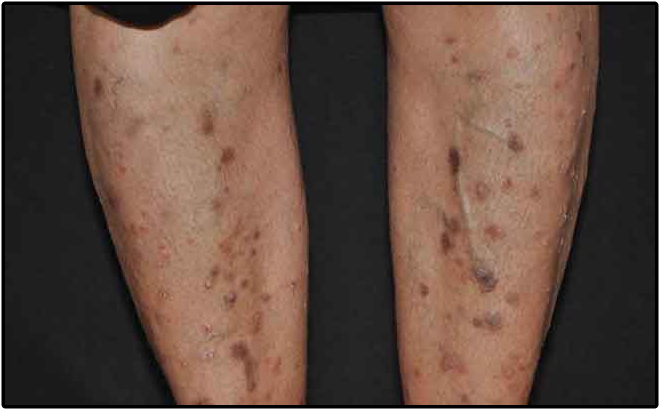
The prevalence of skin diseases has been increasing in the last few decades. Skin diseases are among the top ten causes of living with disability in India. Pruritus is a common symptom associated with skin diseases and can result in a negative impact on quality of life. Kandu (pruritis) is a main source of ill health and a major cause of skin related problems.In Ayurveda Samhitas, Kandu (pruritis) is described as a symptom. According to Acharya Vagbhata and Acharya Charak, Kapha dosha and Pitta-Kapha dosha predominate in Kandu respectively. Kandu is involved in the symptoms of leprosy and minor diseases like Audumber leprosy, Mandal leprosy, Pundarika leprosy, Kakanak leprosy, Alasak, Dadru, Charmdal, Pama, Vicharchika, Valmik, Darunak, Padminikantak, etc. Acharya Charak has listed Alpa Kandu in the symptoms of leprosy like Kapal Kushtha, Rishyajhihva and Siddha Kushtha. Kandu is also described in the earlier forms of leprosy.
In the Kandughna Mahakashaya described in the Shadvirechanashatashritiya chapter of Charaka Samhit, 10 such medicinal substances have been grouped which specifically relieve Kandu. In Kandughna Mahakashay, white sandalwood (Santalum album), Nalad [i.e. Jatamansi (Nardostachys jatamansi), Kritmala (Aragwadh – Cassia fistula), Naktmala (Karanj – Pongamia pinnata), Nimba (Azadirachta indica), Kutaj (Holarehnea antidysentrica), Sarshap (Brassica campestris var. sarson Prain), Yashti (Glycyrrhiza glabra), Daruharidra (Berberis aristata) and Musta (Cyperus rotundus).
Sandalwood is widely used in skin diseases as a result of its bitter-sweet taste, bitter vipak (after digestion), cold potency and rough, light, kaphahar, pittahara, kandughna, blood-cleansing, heat alleviating and varanya (skin enhancing) properties. As a result of its wide range of medicinal properties, sandalwood provides relief in skin diseases like eczema, psoriasis, ringworm, etc. As a result of the moisturizing, emollient, anti-oxidant and anti-inflammatory actions of the special components of the essential oil obtained from sandalwood, it provides relief in psoriasis-induced rashes, skin redness and skin scaling.
Yashti is beneficial in various skin diseases as a result of its vata-pitta-shamaka, kapha-shamakah, varnya (skin ehnacing), vranrapak (wound healing), shothar (antiinflammatory), balya (strengthening) and rasayana (rejuvenating) properties. Glycyrrhiza, the main bioactive component present in Yashti (Glycyrrhiza glabra), is commonly used in the management of psoriasis, allergic disorders, eczema, etc. This ingredient relieves acute rash-like symptoms in atopic dermatitis. Musta under Kandughna Mahakashaya, is bitter-pungent-astringent in taste, pungent vipaka (taste after digestion), cold, astringent, light, dry, kapha-pitta-blood defect alleviator, anthelmintic, diaphoretic and wound healer. Research has documented that external use of Musta (Cyperus rotundus) in psoriasis shows skin barrier improving, anti-inflammatory and anti-pruritic abilities.
In Kandughna Mahakashay, medicines like sandalwood, jatamansi, daruharidra and Yashti improve the health and complexion of the skin as a result of their varanya (skin enhancing), raktaprasadhak (blood cleansing) and rasayana (rejuvenating) properties. Jatamansi is especially beneficial in erysipelas and leprosy as a result of its Tiktaa-Kashaya rasa (taste), Katu Vipak, cold potency and Tridoshahar, Varnya and Dahashamaak properties. Daruharidra is known to have nourishing, warming, dry, pitta pacifying, kapha pacifying, skin detoxifying, chemical and diaphoretic effects. Argvadha is helpful in eliminating the bodily toxins resulting from purgative action. Karanj and Sarshap are beneficial in skin diseases as a result of pungent-bitter tastes, pungent vipaak, hot, sharp, kapha pacifying, vataghna, kandughna, kushthaghna and krimighna properties.
Kutaj is an effective bitter-astringent in taste, with pungent vipaka, cold, rough, light, blood disorders alleviator, kapha pacifying and anti-leprosy drug. Nimba quenches Tvagroga (Skin disorders) and Tajjanya (poor prognosis) Kandu as a result of its pungent-bitter Rasa, Laghu, Ruksha, Vaathar, Pittahar, anti-leprosy, Krimighna (antielminithis) and Kandughna qualities. As a result of their wound healing and wound cleansing properties, Nimb, Yashti and Musta are helpful in wound healing. In short, among the medicines of Kandughna Mahakashay, Tikta Rasa, Katu Vipaak and Laghu, Ruksha, Kaphashamak, Pittashamak, Raktaprasadak, Kandughna, Krimighna and Kushthaghna properties are predominant. Therefore, Kandughna Mahakashaya shows therapeutic efficacy in most of the skin diseases, especially in skin diseases dominated by skin. Research studies have documented the therapeutic suitability of the constituents of Kandughna Mahakashaya in skin diseases like diabetes and chronic plaque psoriasis.
Kandu Ghan Mahakashaya represents a time-honored classical Ayurvedic formulation specifically curated for managing pruritus (Kandu) and a wide spectrum of skin disorders. Its ten-herb composition—rich in Tikta (bitter) rasa, Katu vipaka, and Tridosha-shamaka properties—offers a multi-dimensional therapeutic approach. The herbs included not only alleviate itching but also address underlying imbalances in Pitta, Kapha, and Rakta Dhatu, which are often at the root of chronic skin conditions. Ingredients like Nimba, Yashti, Musta, and Sandalwood exhibit anti-inflammatory, antimicrobial, antioxidant, and skin-rejuvenating actions that contribute to the formulation’s effectiveness in conditions like eczema, psoriasis, fungal infections, and allergic dermatitis. Kandu Ghan Mahakashaya purifies the blood, improves skin complexion, supports wound healing, and reduces skin irritation—all without the side effects of synthetic agents. Its internal and systemic action makes it a valuable tool in the long-term Ayurvedic management of dermatological conditions. Hence, Kandu Ghan Mahakashaya stands as a holistic and reliable remedy for skin health restoration through natural means.