Effect of Yacrujjay tablets in Hypercholesterolemia induced NAFLD
Abstract
The liver is the engine of our body and one of the largest and most vital organs in the human body, playing a central role in maintaining overall health. Located in the upper right portion of the abdomen, it performs a number of essential functions, including detoxifying the blood, producing bile for digestion, and regulating metabolism. The liver helps break down fats, proteins, and carbohydrates, and stores essential nutrients like vitamins and glycogen for energy use. It also plays a crucial role in filtering out toxins, drugs, and waste products from the bloodstream, ensuring a clean internal environment. Additionally, the liver is involved in blood clotting through the production of specific proteins. Unlike many organs, the liver has a remarkable ability to regenerate damaged tissue, which is vital for recovery from injury or illness. However, prolonged exposure to alcohol, infections like hepatitis, or fatty liver disease can impair its function. Maintaining liver health is essential for long-term vitality and wellbeing. In this article, we shall be discussing the usage of Yacrujjay tablets in non alcoholic fatty liver disease.
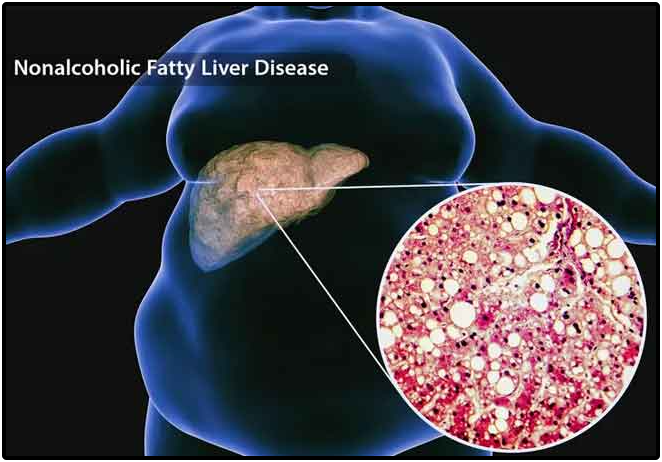
Non-Alcoholic Fatty Liver Disease (NAFLD) ranges from simple steatosis (fatty liver) to more severe conditions such as nonalcoholic steatohepatitis (NASH) which can result in fibrosis, cirrhosis, and liver cancer. One of the major contributing factors to NAFLD is hypercholesterolemia, which promotes fat deposition within hepatocytes, leading to hepatic inflammation and dysfunction. Modern pharmacological approaches primarily aim at lowering serum cholesterol levels but often fail to offer comprehensive liver protection. In this context, Ayurvedic medicine offers promising alternatives that address both lipid metabolism and liver health holistically. Yacrujjay tablets, formulated with traditional hepatoprotective and lipid-regulating herbs, are designed to combat the dual pathology of dyslipidemia and hepatic fat accumulation. This study explores the role of Yacrujjay tablets in managing hypercholesterolemia-induced NAFLD, focusing on clinical parameters such as serum lipids, liver enzyme levels, and hepatic imaging. The objective is to assess their efficacy and safety as a natural intervention that aligns with both modern diagnostic standards and Ayurvedic principles.
Yacrujjay effectiveness
NAFLD is emerging as the leading cause of liver transplantation in India. NAFLD is a disease that affects not only the liver but also other systems of the body. NAFLD has also been found to be associated with an increased risk of cardiovascular disease in patients with type 2 diabetes mellitus. NAFLD is more prevalent in patients with metabolic syndrome (MetS), a condition in which at least three of the following are present: abdominal obesity (waist circumference > 40 inches in men or > 35 inches in women), increased triglycerides (≥ 150 mg/dL), decreased high-density lipoprotein cholesterol (> 40 mg/dL in men or < 50 mg/dL in women), increased blood pressure (systolic blood pressure). It has been documented that about 90% of patients with NAFLD have at least one symptom of MetS, and about one-third of patients show all the symptoms. Once diagnosed, all treatments for managing NAFLD are primarily focused on diet and lifestyle modifications, reducing body weight, and addressing the underlying metabolic syndrome. These treatments show promising results. The proprietary drug Yacrujjay was developed as a comprehensive treatment for the management of NAFLD.
Yacrujjay provides the benefits of Phaltrikadi Kwatha, Punarnavashtak Kwatha, Tulsi and Tamalaki (bhumi amla). The ingredients of Yacrujjay play a vital role in improving liver health and most of these ingredients are documented to be effective in managing MetS symptoms. The clinical efficacy of Yacrujjay was proven by an open-label, interventional, randomized, active-controlled, 2-arm, parallel-group study in participants with NAFLD (CTRI/2022/12/047884)The findings of this study demonstrated that Yacrujjay, at the dose of two tablets three times daily for 120 days, is effective in reducing insulin resistance, improving dyslipidemia, reversing steatosis and slowing down the rate of relapse in NAFLD.
This article summarizes the effect of Yacrujjay (2 tablets three times daily for 120 days) compared with vitamin E [400 mg] (1 softgel capsule twice daily for 120 days) on serum triglycerides (a component of NAFLD-related MetS). The median blood triglycerides at screening visit was 184.5 mg/dL which decreased significantly (p < 0.04) to a median of 136 mg/dL after Yacrujjay therapy. In comparison, in the other group, the median of 108.5 mg/dL at screening visits increased non-significantly (p > 0.04) to a median of 144 mg/dL after vitamin E therapy.
Mean levels of total cholesterol and LDL-C also showed a significant decrease after 120 days of Yacrujjay treatment as compared to screening visit, but these levels did not show a significant decrease in the vitamin E-treated group. No changes were observed in HDL-c and VLDL-c levels after 120 days of Yacrujjay and vitamin E therapy as compared to screening visits. These findings highlight the superior Medohara (adipose reducing) effect of Yacrujjay in patients with NAFLD. It can be assumed that Yacrujjay acts as a superior Medohara Kalpa (obesity reducing) as a result of some of the Medohara ingredients like Guduchi (Tinospora cordifolia), Punarnava (Beharvia diffuse), Sunthi (Zingiber officinale) and Tamalaki (Phyllanthus niruri).
Conclusion
The rising prevalence of NAFLD, especially when induced by hypercholesterolemia and accompanied by metabolic syndrome, demands a multidimensional therapeutic approach that goes beyond conventional lipid-lowering therapies. In this context, Yacrujjay tablets present a promising Ayurvedic intervention, offering a comprehensive and holistic response to the challenges posed by NAFLD. By incorporating traditional formulations like Phaltrikadi and Punarnavashtak Kwatha, alongside herbs known for their Medohara (fat-reducing), hepatoprotective, and metabolic-regulating properties, Yacrujjay addresses the core pathology of NAFLD—namely, hepatic fat accumulation, insulin resistance, and dyslipidemia. Its ability to significantly reduce triglycerides and LDL-C, while stabilizing liver enzymes and steatosis, highlights its potential as both a preventive and therapeutic measure. Unlike single-agent synthetic drugs, Yacrujjay works on multiple levels such as detoxifying the liver, improving digestion and metabolism, and correcting lipid imbalances while maintaining safety over prolonged use. Thus, Yacrujjay emerges as a valuable natural formulation in managing hypercholesterolemia-induced NAFLD, aligning with modern clinical objectives through the timeless wisdom of Ayurveda.