Implantable Loop Recorder (ILR) -Uses, Benefits & Ayurveda for Heart Rhythm
ABSTRACT
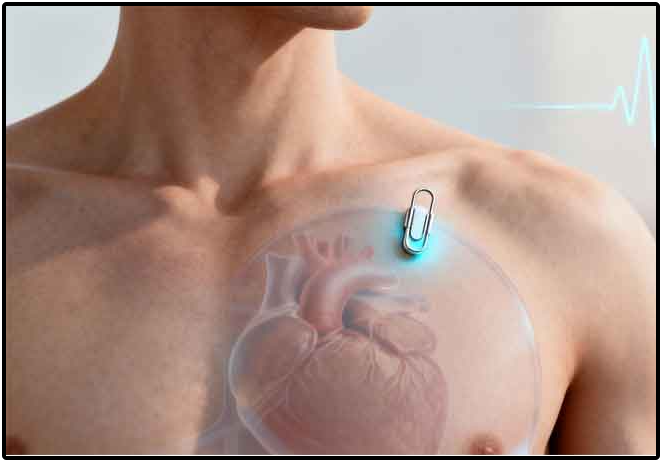
An Implantable Loop Recorder (ILR) is a small, long-term cardiac monitoring device placed under the skin to continuously record the electrical activity of the heart. It is primarily used to detect irregular heart rhythms (Arrhythmias) that occur infrequently and may not be captured through routine tests such as ECG or Holter monitoring. The device automatically records abnormal heart rhythms and can store data for extended periods, often up to 2–3 years. ILR plays a crucial role in diagnosing unexplained fainting (syncope), palpitations, cryptogenic stroke, and intermittent arrhythmias. It provides continuous and accurate monitoring, helping physicians make precise treatment decisions. While modern medicine offers advanced diagnostic tools like ILR, Ayurveda supports heart rhythm health through balancing doshas, calming the nervous system, improving circulation, and strengthening cardiac function. A combined approach can enhance diagnosis, management, and long-term prevention of heart rhythm disorders.
Introduction
The heart functions through a finely regulated electrical conduction system that maintains a steady rhythm and rate. However, certain arrhythmias occur sporadically and may not be detected during short-term monitoring tests. These undetected rhythm abnormalities can lead to symptoms such as dizziness, palpitations, or unexplained fainting, and may increase the risk of serious complications like stroke. An Implantable Loop Recorder (ILR) is an advanced diagnostic device designed to continuously monitor heart rhythms over a long duration. Unlike external monitoring devices, ILR is implanted under the skin and provides real-time, long-term data, making it highly effective in detecting intermittent arrhythmias. From an Ayurvedic perspective, irregular heart rhythms are associated with imbalance in Vyana Vata, along with involvement of Prana Vata and Sadhaka Pitta, which regulate heart function, mental balance, and nervous system coordination.
Why Implantable Loop Recorder (Ilr) Is Done??
ILR is recommended in various clinical conditions where long-term heart monitoring is required.
- Diagnosis of Unexplained Syncope: Identifies rhythm-related causes of fainting
- Detection of Intermittent Arrhythmias: Captures irregular heart rhythms that occur occasionally
- Evaluation of Palpitations: Helps determine cause of irregular or rapid heartbeats
- Monitoring After Stroke: Detects hidden arrhythmias like atrial fibrillation
- Assessment of Bradycardia or Tachycardia: Evaluates slow or fast heart rhythms
- Long-Term Heart Monitoring: Provides continuous data for accurate diagnosis
- Evaluation of Treatment Effectiveness: Monitors response to medications or procedures
How Implantable Loop Recorder Is Inserted??
The ILR insertion is a simple and minimally invasive procedure performed under local anesthesia. A small incision is made under the skin, usually in the chest area, and the device is placed just beneath the skin. The procedure typically takes 15–30 minutes and does not require major surgery. Once implanted, the device continuously monitors heart rhythm and automatically records abnormalities. Patients may also activate recordings when symptoms occur using a handheld device. The recorded data is periodically reviewed by the physician to detect any abnormal rhythm patterns.
Key Features
- Minimally invasive procedure
- Small device implanted under the skin
- Long-term monitoring (up to 2–3 years)
- Continuous automatic recording
- Remote monitoring capability
Understanding Results Of Ilr
The Implantable Loop Recorder (ILR) continuously records the electrical activity of the heart over an extended period, often months to years. This long-term monitoring makes it highly effective in detecting intermittent and silent arrhythmias that may not appear during short-term tests. The recorded data helps physicians correlate symptoms with actual heart rhythm changes and make accurate clinical decisions.
Detailed Interpretation of ILR Findings
- Normal Rhythm (Sinus Rhythm): This indicates that the heart’s natural pacemaker (SA node) is functioning properly, and electrical signals are being generated and conducted normally. In such cases, no abnormal rhythm is detected, and symptoms like dizziness or palpitations may be due to non-cardiac causes.
- Bradycardia (Slow Heart Rate): Bradycardia refers to a heart rate that is slower than normal (typically less than 60 beats per minute). ILR helps identify whether this slowing is persistent or occurs in episodes. It may be due to sinus node dysfunction or conduction blocks. Significant bradycardia can lead to fatigue, dizziness, or fainting and may require interventions like pacemaker implantation.
- Tachycardia (Fast Heart Rate): Tachycardia is characterized by a rapid heart rate (usually above 100 beats per minute). ILR helps determine whether the fast rhythm originates from the atria (supraventricular tachycardia) or ventricles (ventricular tachycardia). Identifying the type and frequency of tachycardia is crucial for deciding treatment, including medications or catheter-based procedures.
- Atrial Fibrillation (AF): This is a common arrhythmia where the atria beat irregularly and chaotically. ILR is especially useful in detecting silent or asymptomatic AF, particularly in patients with unexplained stroke. Early detection is important because AF increases the risk of blood clot formation and stroke, and may require anticoagulant therapy.
- Pauses in Heartbeat (Asystole or Sinus Pause): ILR can detect temporary pauses in heart activity, where the heart stops beating for a few seconds. These pauses may occur due to sinus node dysfunction or conduction abnormalities. Clinically significant pauses can lead to syncope (fainting) and may indicate the need for a pacemaker.
- Symptom–Rhythm Correlation: One of the most important advantages of ILR is its ability to match patient-reported symptoms (such as palpitations, dizziness, or fainting) with recorded heart rhythm at that exact time. This helps determine whether symptoms are truly due to arrhythmia or other causes like anxiety or neurological issues.
Clinical Importance Of Ilr Results
The comprehensive data obtained from ILR allows physicians to:
- Accurately diagnose intermittent arrhythmias
- Differentiate between benign and serious rhythm disorders
- Decide on appropriate treatment (medications, pacemaker, ablation)
- Monitor disease progression over time
- Evaluate effectiveness of ongoing therapy
By providing precise and long-term insight into cardiac electrical activity, ILR plays a crucial role in improving patient outcomes and preventing complications such as stroke, recurrent syncope, and sudden cardiac events.
Precautions Before And After The Procedure
Before the Procedure
- Inform doctor about medications and allergies
- Follow instructions regarding food and medications
- Avoid applying creams or lotions on the chest
After the Procedure
- Keep the incision site clean and dry
- Avoid heavy physical activity for a few days
- Monitor for signs of infection (redness, swelling)
- Follow regular follow-up visits
- Carry device identification information
Why This Procedure Is Important?
Limitations of Conventional Monitoring
- ECG provides only short-term recording
- Holter monitor records for 24–48 hours only
- Intermittent arrhythmias may remain undetected
Advantages of ILR
- Continuous long-term monitoring
- Higher detection rate of hidden arrhythmias
- Helps diagnose unexplained syncope
- Correlates symptoms with heart rhythm
- Improves accuracy of treatment decisions
Can Heart Rhythm Be Supported Through Ayurveda?
In Ayurveda, irregular heart rhythm (often correlated with conditions like Arrhythmia) is mainly linked to disturbance in Vata dosha, especially Vyana Vata and Prana Vata.
Ayurvedic Understanding (Simplified)
- Vyana Vata governs the movement of blood and the rhythmic beating of the heart. When disturbed, it can lead to irregular or fluctuating heart rhythms.
- Prana Vata controls the initiation of the heartbeat and overall life force. Its imbalance may affect coordination of heart signals.
- Sadhaka Pitta is responsible for emotional stability and proper functioning of the heart-mind connection. Stress or emotional disturbances can disrupt this balance and impact heart rhythm.
Treatment Approach (Brief Explanation)
- Balancing Vata dosha using warm, nourishing diet, herbal support, and lifestyle regulation
- Strengthening the heart with herbs like Arjuna (known for cardioprotective properties)
- Calming the nervous system through practices like meditation and pranayama
- Reducing stress and anxiety, which are major triggers for rhythm disturbances
- Improving circulation and maintaining proper blood flow
- Eliminating Ama (toxins) to ensure clear channels (srotas) and proper functioning of the heart
Overall, Ayurveda works by stabilizing both the physical and emotional aspects of heart health, helping maintain a steady and healthy rhythm naturally.
Best Ayurvedic Herbs For Heart Rhythm Support
- Arjuna (Terminalia arjuna): This is one of the most important cardiotonic herbs in Ayurveda. It strengthens the heart muscles, improves cardiac efficiency, and helps stabilize irregular rhythms. It is especially useful in conditions related to Arrhythmia and overall heart weakness.
- Ashwagandha (Withania somnifera): A powerful adaptogen that helps reduce stress and anxiety, which are common triggers for palpitations. By calming the nervous system and balancing Vata, it indirectly supports a steady heart rhythm.
- Brahmi (Bacopa monnieri):Brahmi works mainly on the mind and nervous system. It reduces mental stress, improves clarity, and prevents stress-induced palpitations by stabilizing Prana Vata and Sadhaka Pitta.
- Jatamansi (Nardostachys jatamansi): This herb is excellent for calming excessive Vata and Pitta. It has a natural anti-arrhythmic-like effect in Ayurveda, helping to regulate irregular heartbeats and promoting relaxation of the cardiac system.
- Pushkarmool (Inula racemosa):Traditionally used for heart and respiratory health, it improves coronary circulation and helps relieve chest discomfort. It supports proper oxygenation and enhances heart function, especially in Vata-Kapha conditions.
- Garlic (Allium sativum): Garlic improves blood circulation, reduces cholesterol, and supports overall cardiovascular health. It helps keep blood vessels clear, indirectly aiding smooth and rhythmic heart function.
- Shankhpushpi (Convolvulus pluricaulis): This is a very useful herb for heart rhythm issues linked with anxiety and nervous imbalance. It calms the mind, supports brain-heart coordination, and helps in reducing palpitations caused by stress.
Nourishing The Heart Through A Sattvic Diet
Diet plays a crucial role in maintaining a stable and healthy heart rhythm. In Ayurveda, improper digestion and toxin accumulation (Ama) can disturb Vata and directly impact cardiac function.
- Prefer fresh, warm, and easily digestible meals to support Agni (digestive fire)
- Include seasonal fruits, green vegetables, and whole grains for balanced nutrition
- Avoid caffeine, processed foods, and artificial stimulants, as they can trigger palpitations
- Maintain proper hydration, as dehydration can aggravate Vata and affect heart rhythm
- A calm and balanced diet helps in stabilizing the internal environment required for proper cardiac functioning.
Gentle Movement And Yogic Practices For Cardiac Balance
- Regular physical activity supports circulation and helps regulate the rhythm of the heart without putting excess strain on it.
- Daily walking and light exercise improve blood flow and strengthen the heart gradually
- Tadasana (Mountain Pose) helps improve posture and enhances breathing capacity
- Bhujangasana (Cobra Pose) opens the chest region and supports heart and lung function
- Shavasana (Relaxation Pose) deeply calms the nervous system and reduces cardiac stress
Calming The Mind To Stabilize Heart Rhythm
The heart and mind are closely connected in Ayurveda through Sadhaka Pitta and Prana Vata. Emotional disturbances can directly affect heart rhythm.
- Deep breathing practices (Pranayama) help regulate heart rate and soothe the nervous system
- Meditation and Yoga Nidra reduce stress, anxiety, and stress-induced palpitations
- Maintaining emotional stability and a positive mindset supports overall cardiac coordination
- Limiting caffeine and excessive screen exposure prevents overstimulation of the mind
Establishing A Heart-Friendly Daily Routine
A disciplined daily routine (Dinacharya) helps regulate biological rhythms, including the rhythm of the heart.
- Follow a consistent sleep and wake schedule to maintain internal balance
- Aim for an early bedtime (before 10 PM) to align with natural circadian rhythms
- Develop a relaxing pre-sleep routine, such as reading or light meditation
- Avoid screens before bedtime, as they disturb mental calmness
- Ensure 7–8 hours of sound sleep, which is essential for heart recovery and repair
Conclusion
An Implantable Loop Recorder (ILR) is a highly valuable diagnostic tool for detecting intermittent and unexplained heart rhythm disorders that may go unnoticed with conventional monitoring methods. Its ability to provide continuous, long-term recording helps in accurate diagnosis, timely intervention, and prevention of serious complications such as stroke and recurrent syncope. While modern cardiology ensures precise detection and management, Ayurveda offers a holistic approach by balancing Vata dosha, calming the nervous system, and strengthening cardiac function. Incorporating Ayurvedic herbs, a sattvic diet, stress management, and disciplined lifestyle practices can further support heart rhythm stability. Thus, an integrative approach combining modern diagnostics with Ayurvedic principles can significantly enhance cardiovascular health and overall well-being.