Manduradyarishta – Uses, Benefits, Ingredients & Contraindications
INTRODUCTION
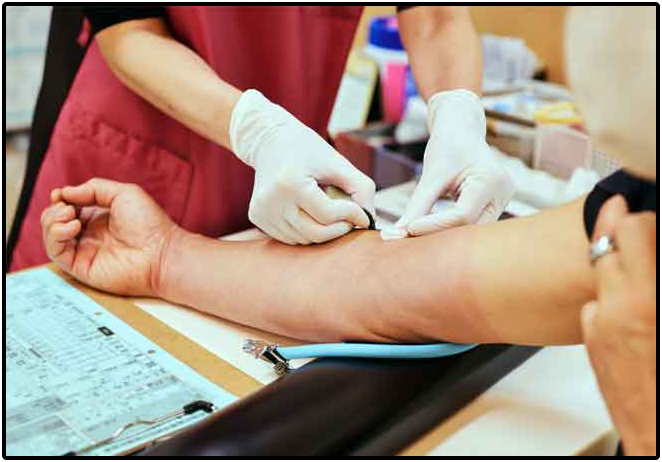
Low hemoglobin levels are a widespread health concern, leading to fatigue, weakness, breathlessness, and reduced immunity. Ayurveda views this condition as not merely as iron deficiency, but as a result of impaired digestion, poor absorption, and weakened liver function. Manduradyarishta effectively addresses these underlying causes. Enriched with bioavailable iron sources like Mandura Bhasma (Iron Oxide Calx) and Loha Bhasma (Calcined Iron), along with digestive stimulants, other potent herbs, and natural fermentation enhancers, it promotes improvement in hemoglobin levels. It also helps in managing other health conditions as well. Its holistic action makes it highly effective in managing anemia while supporting overall strength and vitality.
INGREDIENTS
- Mandura Bhasma (Iron Oxide Calx)- 3.1 Kg
- Loha Bhasma (Calcined Iron)- 3.1 Kg
- Gud (Jaggery)- 3.1 Kg
- Ber (Ziziphus mauritiana)- 3 Kg
- Dantimula (Baliospermum montanum)- 100 g
- Chitrakmula (Plumbago zeylanica)- 100 g
- Pippali (Piper longum)- 200 g
- Vidanga (Embelia ribes)- 200 g
- Haritaki (Terminalia chebula)- 1 Kg
- Bibhitaki (Terminalia bellirica)- 1 Kg
- Amalaki (Emblica officinalis)- 1 Kg
- Jal (Water)- 32 Litres
DESCRIPTION OF INGREDIENTS
- Mandura Bhasma (Iron Oxide Calx)- It balances all three doshas (Vata, Pitta, Kapha). It is very effective in managing Pandu (Anemia), Kamla (Jaundice) and also provides strength and immunity. In Ayurveda, it is said to be ‘Raktavardhak’ (Promotes blood formation) along with being Deepak-Pachak (Digestant) and Srotoshodahk (Clears micro-channels). It improves normal erythroblast maturation, oxygen-carrying capacity of the body, enhances iron absorption and also prevents formation of microcytic, hypochromic red blood cells, resulting in better haemoglobin levels. Moreover, it helps in improving hepatocyte function, enhances bilirubin uptake & conjugation, facilitating excretion into bile, leading to reduction in serum bilirubin levels.
- Loha Bhasma (Calcined Iron)- Considered one of the most effective Rasayanas (rejuvenators) for human health, it helps maintain the balance of Pitta and Kapha doshas in the body and possesses notable immunomodulatory properties. It is beneficial in managing conditions such as Pandu (Anemia), Shotha (Inflammation), and general weakness. Being a vital component of hemoglobin, it enhances oxygen transport to the tissues, alleviating symptoms like fatigue, weakness, and dizziness. Additionally, it supports hemoglobin synthesis in the bone marrow, promoting healthy red blood cell production and preventing anemia.
- Gud (Jaggery)- It contains sugars such as sucrose, glucose, and fructose, which serve as substrates for the natural yeasts present in the herbs and the surrounding environment. These sugars not only provide natural sweetness but also help inhibit the growth of harmful microbes, enhancing the stability and shelf life of the formulation. In Ayurveda, it is believed to stimulate Jatharagni (Digestive fire), supporting efficient digestion. Additionally, the formulation contains trace minerals and small amounts of complex carbohydrates that act as prebiotics, promoting healthy gut microbiota and thereby improving digestion and metabolism. Some of these trace elements, such as iron, copper, and zinc, are essential for hemoglobin synthesis and red blood cell production, contributing to better oxygen transport and overall vitality.
- Ber (Ziziphus mauritiana)- It is called ‘Indian Jujube’ in English and is Madhura (Sweet) & Amla (Sour) in taste, often enjoyed by people of every age. It is of Sheeta (Cold) potency and is known to balance Vata & Pitta doshas. Its main active constituents are Vitamin C, Zizogenin, Saponin etc. It helps the body absorb iron into the intestine and is extremely useful in preventing or correcting iron-deficiency anemia. It is also effective in strengthening the capillary walls, reducing leakage of fluid into tissues, which helps in lowering the swelling in the body.
- Dantimula (Baliospermum montanum)- It is nicknamed as ‘Wild Croton’ in English. Its Katu (Pungent) taste and Ushna (Hot) potency, helps in stimulating Agni (Digestive Fire). It is known to balance Pitta dosha and Kapha dosha in the body. Its main active phytoconstituents are Baliospermin, Montanin etc. It acts as a digestive stimulant and mild purgative, helping clear toxins and improve nutrient absorption. It is also known to have strong anthelmintic effects, as it is mildly toxic to parasites, causing their detachment from the intestinal wall.
- Chitrakmula (Plumbago zeylanica)- It is called ‘Leadwort’ in English, and is Katu (Pungent) in taste. It is of Ushna (Hot) potency and may slightly increase the Pitta dosha, while balancing both Vata & Kapha doshas. Its main active compounds are Plaumbagin, Chitranone, etc. It is effective in enhancing Agni (Digestive fire) and also reduces airway inflammation, decreasing airway edema & mucosal swelling, which are key causes of persistent cough.
- Pippali (Piper longum)- It is called ‘Long Pepper’ in English and is an excellent Yogvahi (Bio-enhancer), according to Ayurveda. It is Katu (Pungent) in taste, with Teekshana (Sharp/piercing) property. It is of Anushnasheeta (neither hot, nor cold) potency and pacifies Vata & Kapha doshas. Its main active constituents are Piperine, Piplartine, Sesamin etc. It mildly stimulates bronchial mucosa to produce watery secretions, which in turn decreases the viscosity of mucus and makes its expulsion easy, making breathing easier.
- Vidanga (Embelia ribes)- It is the best ‘Krimihar’ (Anthelmintic), according to Ayurveda. It is Katu (Pungent) & Kashaya (Astringent) in taste, known to have an Ushna (Hot) potency while balancing Vata & Kapha doshas in our body. Its main active constituents are Embelin, Christembine etc. It mainly acts by paralyzing and killing helminths through multiple mechanisms like causing less ATP production in worms and starvation of parasites as their glucose utilization is blocked. It is also considered to be Deepak-Pachak (Digestant) in Ayurveda.
- Haritaki (Terminalia chebula)- It is called ‘Shiva’ in Sanskrit, because as Lord Shiva represents transformation, destruction of impurities, and renewal, it also cleanses the body, removes toxins from it and restores balance to the doshas. It contains all tastes, except Lavana (Salty), it is Ushna (Hot) in potency and balances all three doshas, especially Vata & Kapha. It contains main phytoconstituents like Chebulagic acid, Corilagin, Chebulinic acid etc. It protects liver cells from toxin-induced damage and also neutralizes free radicals that injure hepatocytes. It also modulates liver enzymes and helps normalize bile secretion and flow.
- Bibhitaki (Terminalia bellirica)- This herb is of Kashaya (Astringent) taste and according to Ayurveda, it supports Agni (Digestive fire) and also relieves Kaas (Cough) & Shwas (Dyspnea). It is of Ushna (Hot) potency and maintains a balance of all three doshas (Vata, Pitta, Kapha). Its active phytoconstituents are B-sitosterol, Ellagic acid, Tannins etc. It acts as an expectorant, reducing mucus in airways and also bronchial wall edema. It forms a protective astringent layer over irritated respiratory mucosa that reduces stimulation of cough receptors and decreases hypersensitivity of airway nerves, ultimately leading to reduced cough frequency and severity.
- Amalaki (Emblica officinalis)- It is called ‘Dhatri’ in Sanskrit because it supports, nourishes and sustains like a mother or a nurse. It is known to nourish all the Dhatus (Tissues) of the body and also balances all three doshas (Vata, Pitta, Kapha). Its Sheeta (Cold) potency makes it excellent in pacifying the elevated Pitta, generally seen in liver diseases. It contains main active constituents like Vitamin C, Gallic acid, Cellulose, Albumin etc. It protects red blood cell membranes from oxidative damage, increases glutathione levels, which is a major intracellular detox molecule and helps prevent buildup of bile pigments that affect skin and eyes. It is very essential for skin health as well as it increases collagen stability and strength. It is also known to reduce skin inflammation and inhibit growth of certain bacteria linked to skin infections.
- Jal (Water)- In Ayurveda, Jal (Water) is considered one of the Pancha Mahabhutas (Five Great Elements) and is vital for life, maintaining equilibrium, and facilitating transformation. During the preparation of Arishta (Fermented Ayurvedic Tonic), it helps in extracting the active principles of medicinal herbs through decoction, making them more bioavailable. Water also plays a crucial role in the fermentation process, supporting the natural production of alcohol while regulating the heat generated, which helps maintain doshic balance- especially Pitta.
METHOD OF PREPARATION
Take all the herbs and process them into coarse powders. Once it’s done, add all the ingredients except Guda (Jaggery), into a large vessel, in specified amounts. Boil this solution till only one-fourth of it remains. Let it cool down on its own, and when it does, add 3.1 Kg of Guda (Jaggery) into it. Stir the solution properly to make sure it’s a homogenous mixture. Cover the mouth of the vessel to make sure it’s sealed, and then leave it undisturbed in a dark room for a period of 15 days. After it, filter this solution and store it in clean glass bottles for future use.
INDICATIONS
- Pandu (Anemia)
- Kamla (Jaundice)
- Krimi Roga (Worm infestations)
- Kushtha (Skin disorders)
- Kaas (Cough)
- Shwas (Dyspnea)
- Shwayathu (Edema)
- Hridya Roga (Heart diseases)
DOSAGE
10-20 ml, mixed with equal amounts of water. It is important to note that it should always be consumed after meals, twice a day.
CONTRAINDICATIONS
- Iron toxicity in the body.
- People who don’t respond well to fermented products.
- People with intestinal or stomach ulcers.
- Pregnant ladies or breastfeeding mothers.
- Diabetic people.
CONCLUSION
Manduradyarishta stands as a powerful example of how traditional wisdom can offer a multidimensional solution to complex health conditions such as anemia, jaundice, and chronic weakness. By integrating mineral bhasmas with hepatoprotective, digestive, anthelmintic, and rejuvenative herbs, it addresses the fundamental causes of low hemoglobin rather than offering symptomatic relief alone. The fermented form enhances bioavailability, improves patient compliance, and ensures sustained therapeutic action. Thus, it serves as an effective, time-tested Ayurvedic remedy for improving hemoglobin levels and promoting long-term health through balance, nourishment, and rejuvenation.