What Causes Teeth to Become Sensitive All of a Sudden?
Abstract
Sensitivity of teeth is a quite common problem that causes discomfort while eating or drinking hot/cold items, and brushing. Sensitivity occurs when the dentin layer gets exposed. Tooth sensitivity may range from mild- moderate to severe. Persistent sensitivity requires attention. Gum recession exposes the tooth roots, making them more sensitive to external stimuli. Cavities (tooth decay) can also lead to sensitivity by damaging the enamel and reaching deeper tooth layers.The treatment depends upon the cause of sensitivity. A straight forward approach requires desensitising treatments and good oral hygiene.
Introduction
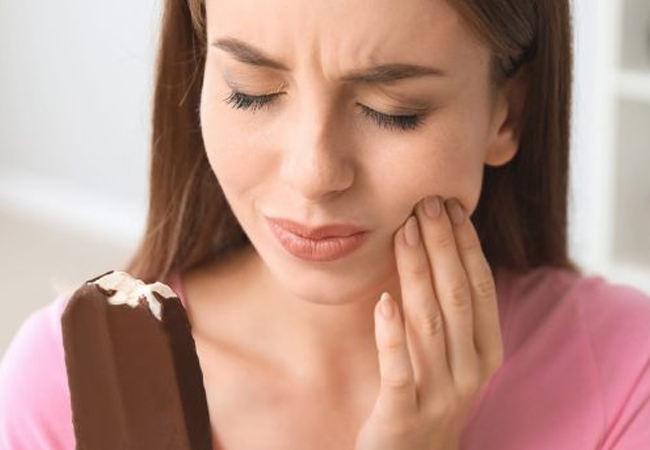
Tooth sensitivity also called ‘hypersensitivity of dentin’ is characterized by discomfort in teeth and sharp, brief pain when stimuli is exposed to the teeth. The stimuli could be hot or cold , acidic or sweet drinks and foods or even flossing and brushing.
Understanding the origin of sensitivity in teeth
The outer layer of teeth is enamel.When enamel wears down or gums recede, the dentin layer gets exposed. Dentinal tubules in dentin transmit external stimuli to the nerve in the pulp, causing sensitivity. The dentinal tubules are connected to the pulp that has nerve fibers. These sensations cause pain and discomfort. The pain is sharp, sudden and shooting in nature. It can also be triggered with exposure to cold air. External stimuli include: thermal, osmotic, chemical and tactile. Tooth sensitivity is a signal that pulp is prone to damage as dentin is exposed. Sensitivity can be mild to severe discomfort or pain lasting up to several seconds to minutes. It can be an early sign for dental diseases.
Why do teeth become sensitive?
Tooth sensitivity can arise from a range of multiple factors causing discomfort and pain in the tooth. The causes of tooth sensitivity include:
Tooth wear conditions: Attrition, Erosion, Abrasion, Abfraction
- Attrition is a natural wearing away of enamel caused by teeth grinding and clenching. The biting surfaces are affected.
- Abrasion is due to mechanical wear caused by aggressive toothbrushing with a hard-bristled toothbrush. The gumline depicts ‘notch-like’ defects.
- Erosion is due to chemical trauma caused with acidic food and drinks , certain medications , GERD (acid reflux).
- Abfraction is the loss of tooth structures at cervical level due to biomechanical forces leading to microfractures.
1. Recession of gums
In this the marginal gingiva surrounding the teeth pulls away and the root starts to get exposed. Bacteria start invading the gum tissues and lead to periodontal pocket formation. The exposed root becomes sensitive to any external stimuli.
2. Tooth whitening procedures
Peroxides from bleaching agents penetrate the tooth’s enamel and reach the dentin. In dentin, it oxidises and triggers nerve fibers causing sensitivity. It can last up to 1-3 days after the procedure.
3. Cracked teeth
When a small fracture occurs on the tooth it leads to cracked tooth. This fracture allows cold, hot and sweet sensations to reach the dentin and nerves. The pain is usually sharp upon biting. Pain relieves upon removal of masticatory forces.
4. Bruxism
Teeth grinding or bruxism can wear down the enamel layer exposing the inner soft layer of dentin. The nerves carry the pain stimuli upon thermal changes. The pain is dull and radiating in nature.
5. Diet and lifestyle
Consumption of sugary and acidic foods and drinks lead to chemical wear of enamel thus exposing the dentin layer. Dry mouth due to dehydration can reduce salivary flow and cannot neutralise the acids in the mouth causing enamel wear down. Excessive alcohol intake and smoking affects the gum health causing recession and exposing the roots leading to sensitivity.
5. Gum disease (gingivitis or periodontitis)
Gingivitis is the early stage of gum disease where gums become red, swollen, and may bleed due to plaque buildup. Periodontitis is a more advanced stage where infection damages gums and bone, leading to gum recession and exposed tooth roots.
6. Root canal treatment
Mild temporary sensitivity after RCT is common and usually resolves in a week. It is due to inflammation of tissues or crown pressure temporarily. There can be different causes of discomfort after RCT like raised bite of temporary crown, residual tissue inflammation or referred pain.
Home remedies for tooth sensitivity
- Rinses with saltwater – Salt is a natural antimicrobial agent that reduces inflammation and prevents sensitivity with its soothing action on soft tissues.
- Clove oil – It is a natural painkiller that can quickly fix sensitivity or toothache.
- Aloe vera – It has calming properties that reduces inflammation that contributes to teeth sensitivity.
- Coconut oil – Oil pulling helps with soothing action on teeth , eliminates plaque and reduces sensitivity with time.
Note: These help relieve symptoms but do not replace dental treatment.
Quick tips to reduce sensitivity of teeth
- Use of a soft-bristled toothbrush and desensitising toothpaste
- Avoid acidic food and drinks
- Use mouthwash for rinsing
- Wearing a night guard ( in case of bruxism) .
Conclusion
Tooth sensitivity can be cumbersome to deal with. The protective enamel layer wears down and exposure of dentin causes sensitivity. It can be treated by identifying the cause. At-home care can help in managing the discomfort. Incorporate and adopt good oral hygiene and dietary intake. Seek professional help to understand the cause better and manage effectively. If sensitivity persists more than 1–2 weeks, dental evaluation is recommended.