Antacids & Their Best Ayurvedic Alternatives – Natural Acidity Relief
Abstract
Acidity and acid-related digestive disorders have become increasingly common due to unhealthy dietary habits, irregular meal timings, stress, inadequate sleep, sedentary lifestyles, and excessive consumption of processed foods. Conditions such as hyperacidity, heartburn, acid reflux, gastroesophageal reflux disease (GERD), and gastritis can significantly affect an individual’s quality of life by causing burning pain in the chest or upper abdomen, sour regurgitation, bloating, nausea, and indigestion. Several medications are available in modern medicine to provide relief from these symptoms, among which antacids remain one of the most frequently used because of their rapid acid-neutralizing action. Although antacids offer quick symptomatic relief, they do not correct the underlying cause of recurrent acidity. Frequent or prolonged use may also be associated with several side effects, drug interactions, and nutritional concerns depending on the type of antacid used. Therefore, a long-term solution requires improving digestive health rather than repeatedly suppressing symptoms. In this article, we shall discuss antacids, their mechanism of action, common uses, types, possible side effects, limitations, and their role in managing acid-related disorders. We shall also explore the Ayurvedic understanding of hyperacidity along with herbal alternatives that support healthy digestion, maintain gastric comfort, and promote long-term digestive balance naturally.
Introduction
The stomach normally secretes hydrochloric acid (HCl), which is essential for digestion. Gastric acid helps break down food, activates digestive enzymes such as pepsin, facilitates the absorption of nutrients like iron and vitamin B12, and protects the digestive tract against many harmful microorganisms. The stomach is naturally protected from this acid through mucus secretion, bicarbonate production, healthy blood circulation, and continuous renewal of its lining. Problems develop when the balance between acid production and these protective mechanisms is disturbed. Excessive acid secretion, delayed gastric emptying, weakening of the lower esophageal sphincter, Helicobacter pylori infection, prolonged use of painkillers, obesity, stress, smoking, alcohol, and unhealthy eating habits can all contribute to acid-related disorders. Consequently, acid may irritate the stomach lining or reflux into the esophagus, leading to heartburn, acid regurgitation, upper abdominal pain, bloating, nausea, and indigestion. For rapid relief, many people rely on over-the-counter antacids. These medicines neutralize the acid already present in the stomach and provide prompt symptomatic improvement. However, repeated dependence on antacids without addressing the underlying digestive imbalance often results in recurrent symptoms. According to Ayurveda, recurrent hyperacidity closely resembles Amlapitta, a disorder resulting primarily from aggravated Pitta Dosha, impaired Agni (digestive fire). Instead of merely neutralizing acid, Ayurvedic management focuses on restoring digestive balance, improving digestive efficiency, protecting the gastric mucosa, and preventing recurrence through herbal formulations, dietary regulation, and lifestyle modifications.

What are Antacids?
Antacids are medicines that neutralize excess stomach acid and provide rapid relief from symptoms associated with hyperacidity. Unlike acid-suppressing drugs such as proton pump inhibitors (PPIs) or H2 receptor blockers, antacids act directly on the acid already present in the stomach by increasing the gastric pH. Because of their rapid onset of action, they are commonly used for temporary relief of occasional heartburn, acid reflux, indigestion, and sour belching. However, their effects are relatively short-lived, and they are not intended to cure the underlying disease.
Types of Allopathic Antacids
Different antacids contain different active ingredients, each having its own advantages and limitations.
1. Calcium-based antacids
These contain calcium carbonate, which effectively neutralizes stomach acid and provides quick relief. Excessive use, however, may lead to constipation, elevated calcium levels, or milk-alkali syndrome in susceptible individuals.
2. Magnesium-based antacids
Common magnesium salts include magnesium hydroxide and magnesium carbonate. They act rapidly and are less likely to cause constipation but may produce diarrhea. Patients with severe kidney disease require caution because magnesium accumulation can occur.
3. Aluminum-based antacids
Aluminum hydroxide effectively neutralizes acid but commonly causes constipation. Long-term excessive use may interfere with phosphate absorption and contribute to low phosphate levels.
4. Combination antacids
Many commercially available antacids combine calcium, magnesium, and aluminum salts to balance gastrointestinal side effects while improving acid-neutralizing capacity.
5. Antacids containing alginate
Some formulations also contain alginate, which forms a protective floating barrier over stomach contents and helps reduce acid reflux into the esophagus.
How Do Antacids Work?
Antacids act through a simple chemical reaction. They neutralize hydrochloric acid present in the stomach by converting it into water and salts, thereby increasing gastric pH.
Their actions include:
- Neutralization of existing stomach acid
- Rapid relief from heartburn
- Reduction in gastric irritation
- Temporary reduction in acid reflux symptoms
- Partial inactivation of pepsin at higher gastric pH
Unlike proton pump inhibitors, antacids do not reduce future acid production. Once their effect wears off, acid secretion continues normally, which explains why symptoms frequently recur.
Common Uses of Antacids
Antacids are commonly recommended for:
- Occasional heartburn
- Hyperacidity
- Acid reflux
- Gastroesophageal reflux disease (GERD)
- Gastritis
- Sour belching
- Dyspepsia
- Epigastric burning
- Temporary relief of acid-related discomfort
They should not be considered a permanent treatment for persistent symptoms.
Side Effects and Limitations of Antacids
Although antacids are generally considered safe when used occasionally, frequent or prolonged use may result in several adverse effects.
Common side effects
- Constipation (especially aluminum and calcium salts)
- Diarrhea (magnesium-containing antacids)
- Abdominal bloating
- Nausea
- Flatulence
- Altered bowel habits
Long-term concerns
Regular overuse may contribute to
- Altered calcium metabolism
- Magnesium accumulation in kidney disease
- Low phosphate levels
- Kidney stone formation in susceptible individuals
- Milk-alkali syndrome with excessive calcium intake
- Reduced absorption of iron and vitamin B12 in some individuals
Drug interactions
Antacids may reduce the absorption of several medicines, including:
- Iron supplements
- Levothyroxine
- Certain antibiotics
- Bisphosphonates
- Antifungal medicines
Therefore, many medications should be taken at least 2–4 hours apart from antacids.
Management of Hyperacidity in Modern Medicine
The management of recurrent acidity depends on its cause and severity.
Treatment generally includes:
- Lifestyle modification
- Dietary correction
- Weight reduction when appropriate
- Smoking cessation
- Limiting alcohol intake
- Treatment of Helicobacter pylori infection when present
- Antacids for immediate symptom relief
- H2 receptor blockers
- Proton pump inhibitors
- Prokinetic agents in selected cases
- Endoscopic evaluation when alarm symptoms are present
Individuals experiencing difficulty swallowing, vomiting blood, black stools, unexplained weight loss, persistent vomiting, or recurrent symptoms despite treatment should undergo detailed medical evaluation.
Ayurvedic View and Management
In Ayurveda, hyperacidity is broadly correlated with Amlapitta, a disorder primarily involving aggravated Pitta Dosha and disturbed digestive fire. Excessive intake of spicy, sour, fermented, oily, fried, and incompatible foods, irregular meal timings, excessive fasting, emotional stress, alcohol consumption, and suppression of natural urges can aggravate Pitta and impair digestion. When digestion becomes weak, food is not properly processed, leading to the formation of Ama (metabolic toxins), which further disturbs Pitta and produces symptoms such as burning sensation, sour belching, nausea, indigestion, heaviness, loss of appetite, and acid regurgitation.
Unlike antacids, which mainly neutralize stomach acid for temporary relief, Ayurveda aims to restore the normal function of Agni (digestive fire), eliminate Ama, balance aggravated Pitta, and strengthen the digestive system to reduce recurrence. Management is individualized according to the patient’s constitution, digestive strength, dietary habits, and associated disorders.
A Pitta-pacifying diet is generally recommended, emphasizing freshly prepared, easily digestible foods while limiting excessively spicy, sour, fried, fermented, and processed foods. Regular meal timings, adequate hydration, stress management, sufficient sleep, and avoidance of overeating also play an important role in maintaining digestive health.
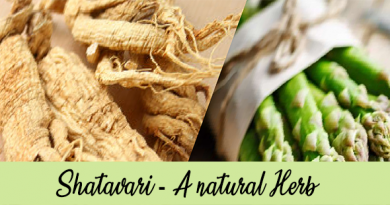
Several Ayurvedic herbs traditionally support healthy digestion and gastric comfort. Herbs such as Amalaki (Emblica officinalis), Shatavari (Asparagus racemosus), Yashtimadhu (Glycyrrhiza glabra), Guduchi (Tinospora cordifolia), Coriander (Coriandrum sativum), and Fennel (Foeniculum vulgare) are valued for their cooling, digestive, and soothing properties. These herbs help maintain the integrity of the gastric mucosa, support healthy digestion, and reduce excessive Pitta without compromising normal digestive function.
Herbal Remedies by Planet Ayurveda for Hyperacidity
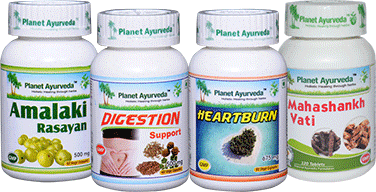
Planet Ayurveda is a renowned Ayurvedic herbal products manufacturing company dedicated to promoting authentic Ayurveda through standardized herbal formulations prepared from high-quality natural ingredients. The formulations are manufactured according to classical Ayurvedic principles without harmful chemicals, preservatives, artificial colors, or synthetic additives. For individuals experiencing recurrent acidity, acid reflux, gastritis, indigestion, and hyperacidity, Planet Ayurveda offers the Acidity Care Pack, which supports healthy digestion, maintains gastric comfort, soothes the stomach lining, and helps restore digestive balance naturally.
Product List
- Heartburn Capsules
- Digestion Support
- Amalaki Rasayan
- Mahashankh Vati

1. Heartburn Capsules
Heartburn Capsules are formulated with Giloy (Tinospora cordifolia), Kamdudha Ras, Mukta Pishti, and Praval Pishti, ingredients valued for balancing aggravated Pitta and soothing gastric irritation. Giloy supports the natural protective mechanisms of the stomach lining and helps maintain gastric comfort. Kamdudha Ras has long been used in Ayurveda to relieve burning sensations associated with excessive Pitta, while Mukta Pishti and Praval Pishti possess cooling properties that help reduce gastric heat. Together, these ingredients help soothe irritation, reduce acid reflux, and promote a healthy gastric environment.
Dosage: 2 capsules twice daily.
2. Digestion Support
Healthy digestion is fundamental to preventing recurrent acidity. Digestion Support contains herbs such as Haritaki (Terminalia chebula), Saunf (Foeniculum vulgare), Dhania (Coriander sativum), Jeerak (Cyminum cuminum), and Pippali (Piper longum) etc, which work together to improve digestive efficiency, reduce bloating, relieve flatulence, and support proper metabolism of food. By improving digestive function and reducing the accumulation of Ama, this formulation addresses one of the major contributors to recurrent hyperacidity instead of merely providing temporary symptom relief.
Dosage: 1 capsule twice daily.
3. Amalaki Rasayan
Amalaki Rasayan is prepared from Amalaki (Emblica officinalis), one of Ayurveda’s most respected Rasayana herbs. Naturally rich in vitamin C, tannins, and antioxidant compounds, Amalaki supports healthy gastric tissues while balancing aggravated Pitta. It helps reduce burning sensations, promotes healthy digestion, supports the natural defense mechanisms of the stomach lining, and contributes to overall digestive wellness. Its rejuvenating properties also support healthy metabolism and gastrointestinal function over the long term.
Dosage: 2 capsules twice daily.
4. Mahashankh Vati
Mahashankh Vati is a classical Ayurvedic formulation traditionally used for indigestion, abdominal discomfort, bloating, hyperacidity, and impaired digestive fire. It contains ingredients including Shunthi (Zingiber officinale), Pippali (Piper longum), Shankha Bhasma (conch shell ash), and other digestive herbs that enhance Agni, improve digestion, facilitate gastric emptying, and reduce gas formation. Rather than simply neutralizing acid, Mahashankh Vati helps improve digestive efficiency, thereby reducing the recurrence of acidity associated with poorly digested food.
Dosage: 2 tablets twice daily.
Conclusion
Antacids remain among the most widely used medications for the rapid relief of heartburn, acid reflux, and hyperacidity because they neutralize stomach acid quickly and provide prompt symptomatic improvement. However, their action is temporary, and they do not address the underlying causes responsible for recurrent acidity. Prolonged or excessive use may also lead to constipation, diarrhea, altered mineral absorption, electrolyte disturbances, drug interactions, and other complications depending on the formulation and duration of use. Ayurveda offers a broader and more holistic approach by addressing the root causes of Amlapitta through correction of digestive imbalance, pacification of aggravated Pitta Dosha, elimination of Ama (metabolic toxins), and restoration of healthy digestive function. Appropriate dietary modifications, regular meal timings, stress management, and suitable herbal formulations work together to support long-term digestive wellness rather than providing only temporary symptom relief. The Planet Ayurveda Acidity Care Pack, comprising Heartburn Capsules, Digestion Support, Amalaki Rasayan, and Mahashankh Vati, provides a comprehensive herbal approach for maintaining gastric comfort, supporting healthy digestion, soothing the stomach lining, and reducing the recurrence of hyperacidity. When combined with healthy lifestyle practices and a balanced diet, these formulations help promote digestive balance naturally and support overall gastrointestinal health.