Globus Pharyngeus – Causes, Symptoms, Diagnosis, Treatment, Ayurvedic Perspective & Herbal Management
Abstract
The throat plays a vital role in swallowing, speaking, breathing, and protecting the airway. Even minor disturbances affecting the throat can create significant discomfort and anxiety, particularly when they interfere with swallowing or produce unusual sensations. Many individuals experience a persistent feeling that something is stuck in their throat despite having no actual obstruction. Although this symptom is often benign, it can be distressing and may prompt repeated medical consultations. Globus pharyngeus, commonly known as the “lump in the throat” sensation, is such a condition, characterized by the persistent or intermittent feeling of a lump, tightness, fullness, or foreign body in the throat without any true physical blockage. While the condition is generally non-life-threatening, identifying its underlying cause is essential to rule out serious disorders and provide appropriate management. In this article, we shall discuss globus pharyngeus in detail, including its causes, symptoms, diagnosis, contemporary management, and its understanding through the Ayurvedic system of medicine along with suitable herbal management.
Introduction
Globus pharyngeus is one of the most frequently encountered functional throat complaints in otolaryngology (ENT) practice. It is defined as a persistent or recurrent sensation of a lump or foreign body in the throat that is unrelated to swallowing food or liquids. Unlike true dysphagia, patients are usually able to swallow normally despite experiencing an uncomfortable sensation. Historically, this condition was referred to as “globus hystericus” because it was believed to occur mainly due to emotional disturbances. Modern medicine now recognizes that the condition has multiple contributing factors, including gastroesophageal reflux, abnormalities of the upper esophageal sphincter, throat muscle tension, chronic throat irritation, and psychological stress. In many individuals, more than one factor contributes to the symptoms. Although globus pharyngeus is usually benign, persistent symptoms require proper evaluation to exclude structural lesions, inflammatory disorders, neurological diseases, and malignancies of the throat or esophagus.
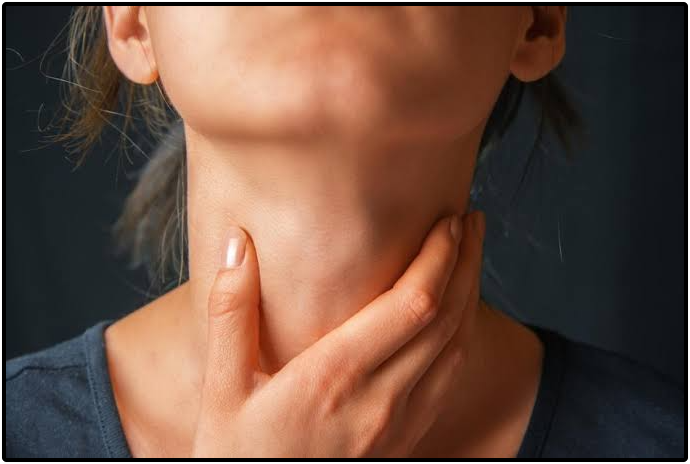
Understanding the Mechanism of Globus Pharyngeus
The sensation experienced in globus pharyngeus does not arise because an object is physically lodged in the throat. Instead, several physiological disturbances can alter the normal perception of the throat. Common mechanisms include:
- Increased muscle tension around the pharynx.
- Dysfunction of the upper esophageal sphincter.
- Acid reflux reaching the throat (laryngopharyngeal reflux).
- Local inflammation.
- Heightened sensitivity of throat nerves.
- Emotional stress and anxiety.
- Altered sensory perception within the pharynx.
The combination of these factors produces the persistent sensation of fullness or tightness despite the absence of a true obstruction.
Causes of Globus Pharyngeus
Several conditions are associated with globus sensation.
- Laryngopharyngeal Reflux (LPR) : One of the most common causes is reflux of stomach contents into the throat. Unlike classical acid reflux, patients with LPR may not always experience heartburn. Acid and digestive enzymes irritate the throat lining, producing inflammation and a persistent lump sensation.
- Gastroesophageal Reflux Disease (GERD) : Repeated exposure of the esophagus to gastric acid can contribute to throat irritation and globus symptoms.
- Upper Esophageal Sphincter Dysfunction : Abnormal contraction or increased resting pressure of the cricopharyngeal muscle can create the sensation of something being stuck in the throat.
- Chronic Throat Irritation : Repeated throat clearing, smoking, allergies, chronic sinus drainage, excessive voice use, and environmental irritants can inflame the throat.
- Psychological Factors: Stress, anxiety, emotional distress, and mental fatigue frequently worsen symptoms. Many patients notice that the sensation becomes more pronounced during stressful periods.
- Thyroid Disorders : An enlarged thyroid gland or thyroid nodules can occasionally produce pressure in the neck, mimicking globus sensation.
- Cervical Spine Disorders : Degenerative changes affecting the cervical spine sometimes contribute to altered throat sensations.
- Rare Structural Causes : Although uncommon, tumors, pharyngeal masses, esophageal strictures, Zenker’s diverticulum, and other structural abnormalities must be excluded when warning symptoms are present.
Risk Factors
Several factors increase the likelihood of developing globus pharyngeus:
- Chronic acid reflux
- Smoking
- Excessive alcohol consumption
- Chronic stress
- Anxiety disorders
- Frequent throat clearing
- Allergic rhinitis
- Chronic sinusitis
- Voice overuse
- Poor dietary habits
- Obesity
Signs and Symptoms
Patients commonly describe:
- Feeling of a lump in the throat
- Sensation of something stuck in the throat
- Tightness in the neck
- Throat fullness
- Frequent throat clearing
- Need to swallow repeatedly
- Mild throat discomfort
- Dry throat
- Irritation while speaking
- Symptoms that improve while eating
- Symptoms worsening during stress
Importantly, swallowing food is generally not impaired.
Warning Signs Requiring Immediate Evaluation
Although globus pharyngeus is usually benign, urgent medical assessment is necessary if symptoms are accompanied by:
- Progressive difficulty swallowing
- Painful swallowing
- Weight loss
- Persistent hoarseness
- Blood in saliva
- Neck swelling
- Persistent ear pain
- Recurrent choking
- Severe throat pain
These features warrant further investigation to exclude serious disease.
Diagnosis
Diagnosis begins with a detailed history and physical examination. Investigations may include:
- Laryngoscopy : Flexible nasolaryngoscopy allows direct visualization of the throat and vocal cords to identify inflammation, reflux changes, or structural lesions.
- Upper Gastrointestinal Endoscopy : Endoscopy evaluates the esophagus and stomach for reflux disease, ulcers, strictures, or tumors.
- Barium Swallow : Contrast imaging helps identify structural abnormalities affecting swallowing.
- Esophageal Manometry : Measures pressure and coordination of the esophageal muscles and upper esophageal sphincter.
- Twenty-Four Hour pH Monitoring : Assesses acid reflux episodes reaching the esophagus or throat.
- Thyroid Evaluation : Ultrasound and thyroid function tests are performed when thyroid disease is suspected.
Management
Treatment depends on the underlying cause.
- Reflux Management: Patients with reflux-related symptoms benefit from acid-suppressing medications, dietary modification, weight management, and avoidance of late-night meals.
- Speech and Voice Therapy : Speech therapists teach relaxation exercises that reduce throat muscle tension and improve laryngeal function.
- Stress Management : Relaxation techniques, mindfulness, counseling, yoga, and cognitive behavioral therapy help patients whose symptoms are aggravated by emotional stress.
- Treatment of Associated Disorders: Allergies, sinus disease, thyroid disorders, and infections should be treated appropriately.
Lifestyle Measures
Helpful measures include
- Eating slowly
- Maintaining hydration
- Avoiding tobacco
- Limiting alcohol
- Reducing caffeine
- Avoiding spicy and acidic foods when reflux is present
- Avoiding excessive throat clearing
- Maintaining healthy body weight
Ayurvedic View and Management of Globus Pharyngeus
Globus pharyngeus is not described as a separate disease in Ayurvedic classics. Based on its characteristic sensation of obstruction in the throat without an actual physical blockage, it can be best correlated with Galagraha, a condition characterized by constriction, tightness, and discomfort in the throat due to aggravated Vata associated with Kapha. The Ayurvedic pathology involves Vata-Kapha Dushti affecting the Pranavaha and Annavaha Srotas. Improper dietary habits, suppression of natural urges, excessive dry and cold foods, irregular meals, chronic stress, repeated throat irritation, and impaired digestion disturb Agni (digestive fire), resulting in the formation of Ama (metabolic toxins). Simultaneously, Vata becomes aggravated and combines with Kapha in the throat region. Kapha produces heaviness and a sensation of obstruction, while aggravated Vata causes abnormal movement, dryness, muscle tightness, and altered sensory perception. Ayurvedic management objectives include:
- Improving digestive fire (Agni)
- Eliminating Ama
- Pacifying aggravated Vata and Kapha
- Reducing throat irritation
- Supporting healthy swallowing
- Promoting normal digestive function
- Relieving reflux tendencies
- Calming the nervous system through proper lifestyle practices
Patients are advised to consume warm, freshly prepared meals, avoid overeating, maintain regular meal timings, reduce excessively spicy and fried foods, avoid lying down immediately after meals, and practice stress-reducing measures such as yoga, meditation, and Pranayama.
Herbal Remedies by Planet Ayurveda for Globus Pharyngeus
Planet Ayurveda is a renowned Ayurvedic herbal manufacturing company committed to preparing authentic herbal formulations using standardized extracts and premium-quality herbs. The products are manufactured according to classical Ayurvedic principles and are free from artificial colors, preservatives, and harmful chemicals. Planet Ayurveda is pleased to present its herbal formulations for the management of Globus Pharyngeus.
Product List
- Yasthimadhu Ghan Vati
- Mahashankh Vati
- Kaas-Har Churna
- Avipattikar Churna


Product Description
1. Yasthimadhu Ghan Vati
Planet Ayurveda’s Yasthimadhu Ghan Vati contains concentrated extract of Yashtimadhu (Glycyrrhiza glabra). It is rich in glycyrrhizin and flavonoids, it soothes the throat, supports healthy mucosal lining, and promotes comfort in the pharyngeal region. It also helps maintain digestive and respiratory health and helps support the constant feeling of something stuck in the throat.
Dosage: 2 tablets twice daily.
2. Mahashankh Vati
Mahashankh Vati is a classical Ayurvedic formulation containing Shunthi (Zingiber officinale), Pippali (Piper longum), Sudha Vatsnabha (Aconitum ferox), purified Shankha Bhasma (conch shell ash), along with other digestive ingredients. It strengthens Agni (digestive fire), supports proper digestion, reduces Ama (endotoxins) formation, and helps relieve symptoms associated with reflux and indigestion that contribute to globus sensation.
Dosage: 2 tablets twice daily, to be chewed 20 minutes before meals.
3. Kaas-Har Churna
Kaas Har Churna is a patent product of Planet Ayurveda and is prepared with herbs including Vanshlochan (Bambusia arudinacea), Ela (Elettaria cardamomum), Dalchini (Cinnamomum zeylanica), and Pippali (Piper longum). The formulation supports throat comfort, helps reduce irritation, maintains healthy respiratory passages, and promotes normal throat function.
Dosage: ½ teaspoon twice daily.
4. Avipattikar Churna
Avipattikar Churna is a classical digestive formulation containing Triphala (Amla – Emblica officinalis, Haritaki – Terminalia chebula, Bibhitaki – Terminalia bellirica), Trikatu (Shunthi – Zingiber officinale, Maricha – Piper nigrum, Pippali – Piper longum), Musta (Cyperus rotundus), Vidanga (Embelia ribes), Ela (Elettaria cardamomum), and Lavanga (Syzygium aromaticum) and others. It balances Pitta dosha, supports healthy digestion, reduces acid irritation, and promotes comfortable bowel movements, helping maintain overall gastrointestinal health and helps reduce throat irritation.
Dosage: 1 teaspoon twice daily with lukewarm water.
Conclusion
Globus pharyngeus is a common condition characterized by the persistent sensation of a lump or foreign body in the throat despite the absence of any actual obstruction. Although the condition is generally benign, it can significantly affect comfort and quality of life. A careful clinical evaluation is essential to exclude structural abnormalities and identify contributing factors such as reflux disease, throat muscle dysfunction, chronic irritation, or psychological stress. From an Ayurvedic perspective, the condition can be understood as Galagraha, resulting from Agnimandya (weak digestion), Ama (metabolic toxins) formation, and Vata-Kapha aggravation affecting the throat and digestive channels. Management focuses on improving digestion, balancing the Doshas, reducing throat irritation, and restoring normal physiological function through appropriate diet, lifestyle, and herbal formulations. Planet Ayurveda’s above-mentioned herbal formulations offer a comprehensive Ayurvedic approach by supporting throat health, digestive strength, mucosal integrity, and overall balance. When incorporated into a well-planned treatment strategy under the guidance of an experienced Ayurvedic physician, these formulations help promote lasting throat comfort and improved quality of life.