Herpes on Foot (Herpetic Whitlow) – Causes, Symptoms, Treatment & Herbal Remedies
Abstract
Herpetic Whitlow is a contagious viral infection of the fingers or, less commonly, the toes caused by the Herpes Simplex Virus (HSV), primarily HSV-1 and HSV-2. It presents with painful fluid-filled blisters, redness, swelling, and tenderness of the affected digit. The infection is commonly transmitted through direct contact with active herpes lesions or infected body fluids and is frequently seen in healthcare workers, children, and individuals with recurrent herpes infections. Although Herpetic Whitlow is generally self-limiting, recurrent episodes may occur because the virus remains dormant in sensory nerve ganglia. Prompt diagnosis is essential to differentiate it from bacterial infections and to ensure appropriate management. This article discusses the causes, risk factors, symptoms, diagnosis, complications, and Ayurvedic perspective of Herpetic Whitlow.
Quick Facts About Herpetic Whitlow
- Herpetic Whitlow is a viral infection caused by Herpes Simplex Virus (HSV-1 or HSV-2).
- It most commonly affects the fingers, especially the fingertips and areas around the nails.
- The condition is highly contagious and spreads through direct contact with infected lesions or body fluids.
- Healthcare workers, dental professionals, children, and immunocompromised individuals are at higher risk.
- Pain often develops before the appearance of blisters.
- Fluid-filled blisters usually appear within a few days of infection.
- The infection generally resolves within 2–4 weeks without permanent damage.
- The virus remains dormant in nerve cells and may reactivate, causing recurrent infections.
- Incision and drainage should be avoided as they may worsen the infection.
- Antiviral medications are most effective when started early.
Global Statistics of Herpetic Whitlow
- Herpetic Whitlow is considered an uncommon HSV infection.
- It accounts for a small percentage of all herpes simplex infections involving the skin.
- HSV-1 is responsible for most cases in children and healthcare workers.
- HSV-2 is more commonly associated with infections in sexually active adults.
- Healthcare professionals have a higher occupational risk due to frequent exposure to infected secretions.
- Recurrence occurs in approximately 20–50% of affected individuals.
- People with weakened immune systems may experience more severe or prolonged infections.
- Improved use of protective gloves has reduced the incidence among healthcare workers.
Introduction
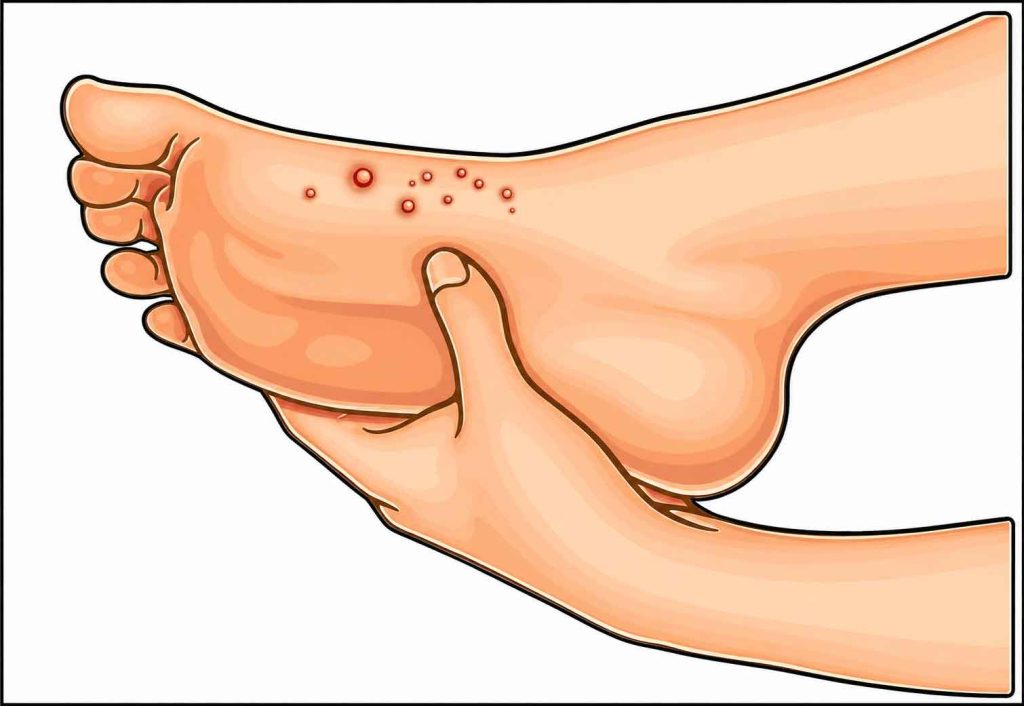
Herpetic Whitlow is an acute viral infection involving the skin of the fingers, caused by the Herpes Simplex Virus. The virus enters the body through small cuts or abrasions in the skin and infects the surrounding tissues, resulting in painful inflammation and clusters of clear fluid-filled vesicles. The infection typically affects a single finger, most commonly the thumb or index finger, although multiple fingers may occasionally be involved. Because its symptoms resemble bacterial infections such as paronychia or felon, Herpetic Whitlow is often misdiagnosed. Unlike bacterial infections, however, surgical drainage is contraindicated, making early and accurate diagnosis particularly important. Although the infection usually resolves spontaneously, antiviral therapy can shorten the duration and reduce symptom severity when initiated early.
Types of Herpetic Whitlow
Herpetic Whitlow is broadly classified into two types based on whether the infection is the first episode or a recurrence.
- Primary Herpetic Whitlow: Primary Herpetic Whitlow occurs when a person is infected with the Herpes Simplex Virus (HSV) for the first time. The virus enters the skin through small cuts or abrasions on the finger, leading to pain, redness, swelling, and the formation of clusters of fluid-filled blisters. Some individuals may also develop fever, swollen lymph nodes, and general discomfort. Symptoms usually resolve within 2–4 weeks, but the virus remains dormant in the sensory nerve ganglia after the initial infection.
- Recurrent Herpetic Whitlow: Recurrent Herpetic Whitlow develops when the dormant Herpes Simplex Virus becomes active again. Reactivation may occur due to stress, illness, fever, trauma, excessive sun exposure, or a weakened immune system. Recurrent episodes are generally milder than the primary infection, with fewer blisters, less pain, and a shorter healing time. However, repeated recurrences may still cause discomfort and temporary limitation of finger movement.
Causes of Herpetic Whitlow
The infection is caused by the Herpes Simplex Virus (HSV) entering the skin through small breaks or cuts.
Common causes include
- Infection with HSV-1 (commonly associated with oral herpes).
- Infection with HSV-2 (commonly associated with genital herpes).
- Direct contact with active cold sores or genital herpes lesions.
- Exposure to infected saliva, blister fluid, or other body secretions.
- Autoinoculation, where a person spreads the virus from one part of the body to the finger.
- Occupational exposure among healthcare and dental professionals.
- Reactivation of dormant herpes virus during periods of stress or reduced immunity.
Risk Factors of Herpetic Whitlow
Several factors increase the likelihood of developing Herpetic Whitlow, including:
- Direct contact with an individual who has an active herpes infection.
- History of recurrent oral or genital herpes.
- Healthcare or dental work involving exposure to infected secretions.
- Small cuts, abrasions, or damaged skin on the fingers.
- Thumb-sucking in children with oral herpes.
- Weakened immune system due to illness or medications.
- Poor hand hygiene after touching herpes lesions.
- Close physical contact with infected individuals.
Symptoms of Herpetic Whitlow
Common symptoms include
- Severe pain or burning sensation in the affected finger.
- Tingling or itching before blisters develop.
- Redness and swelling of the fingertip.
- Clusters of clear or yellowish fluid-filled blisters.
- Tenderness around the nail or fingertip.
- Warmth over the affected area.
- Difficulty bending or using the finger due to pain.
- Mild fever or swollen lymph nodes in some individuals.
- Blisters may rupture, crust over, and heal within two to four weeks.
- Recurrent episodes may occur in the same finger.
Diagnosis of Herpetic Whitlow
Diagnosis is usually based on clinical findings and may include
- Medical history and physical examination to assess symptoms and exposure history.
- Examination of the characteristic fluid-filled blisters on the finger.
- Viral PCR test, which is the most sensitive method for detecting HSV.
- Viral culture of blister fluid to identify the herpes virus.
- Tzanck smear, which may demonstrate multinucleated giant cells but is used less frequently.
- HSV antibody testing in selected cases.
- Differentiation from bacterial infections such as paronychia, felon, and cellulitis.
Complications of Herpetic Whitlow
Although most cases heal completely, complications may occur, especially in untreated or immunocompromised individuals.
- Secondary bacterial infection.
- Recurrence due to viral reactivation.
- Spread of the virus to other parts of the body.
- Delayed healing in immunocompromised individuals.
- Severe pain affecting daily activities.
- Nail deformity in rare cases.
- Transmission of the virus to other people.
- Disseminated herpes infection in severely immunocompromised patients (rare).
Ayurvedic Overview on Herpetic Whitlow
According to Ayurveda, Herpetic Whitlow can be correlated with conditions involving Visarpa, Pittaja Vrana, and Kshudra Kushtha, depending on the nature and severity of the symptoms. It is primarily associated with the aggravation of Pitta Dosha and Rakta Dhatu, leading to redness, burning sensation, inflammation, and the formation of painful fluid-filled blisters. Vata Dosha contributes to pain, tingling, and discomfort, while impaired Agni (digestive fire) may result in the formation of Ama (metabolic toxins), which can further disturb tissue health and delay healing. Ayurvedic management focuses on balancing the aggravated Doshas, purifying the blood (Rakta Shodhana), supporting healthy skin and immune function, promoting wound healing, and strengthening the body’s natural defense mechanisms through individualized diet, lifestyle modifications, and herbal support. Since Herpetic Whitlow is caused by a viral infection, proper medical diagnosis and timely treatment remain essential, with Ayurveda serving as a supportive approach to overall recovery and wellness.
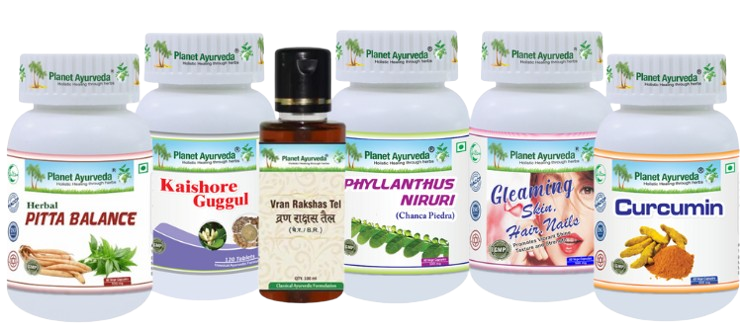
Herbal Remedies by Planet Ayurveda for Herpetic Whitlow
Planet Ayurveda is a GMP-certified herbal manufacturing company dedicated to promoting authentic Ayurvedic healthcare through natural and science-backed formulations. Established by expert Ayurvedic physicians, the company combines the wisdom of classical Ayurveda with modern quality standards to develop herbal supplements made from standardized extracts and high-quality raw materials. Its products are free from synthetic chemicals, preservatives, artificial colors, and harmful additives. Planet Ayurveda emphasizes holistic wellness by addressing the root cause of health concerns through personalized Ayurvedic principles. With a global presence, the company offers a wide range of herbal formulations that support overall health, immunity, skin, joint, digestive, and metabolic wellness. The following are the herbal remedies offered by Planet Ayurveda that may help support individuals with Herpetic Whitlow.
- Phyllanthus Niruri
- Kaishore Guggul
- Curcumin Capsules
- Pitta Balance
- Gleaming Skin, Hair, Nails Formula
- Vrana Rakshak Tail

Product Description
1. Phyllanthus Niruri
Phyllanthus Niruri is one of the single herbal capsules formulated by Planet Ayurveda using standardised extract of herb Bhumiamla (Phyllanthus niruri). It helps support the body’s natural defense mechanisms, promotes healthy skin, and assists in maintaining a balanced inflammatory response. In Herpetic Whitlow, it may help support the healing process, reduce oxidative stress, and promote overall skin wellness.
Dosage: 1 capsule twice daily with plain water after meals.
2. Kaishore Guggul
Kaishore guggul is a classical Ayurvedic formulation consisting of herbs such as Guduchi (Tinospora cordifolia), Shuddha Guggul (Commiphora mukul), Vidanga (Embelia ribes), etc. Traditionally, it is used to balance Pitta and Kapha Doshas, support Rakta Shodhana (blood purification), and maintain healthy skin. In Herpetic Whitlow, it may help support a healthy inflammatory response, promote skin healing, and strengthen the body’s natural defense mechanisms.
Dosage: 2 tablets twice daily with plain water after meals.
3. Curcumin Capsules
Curcumin Capsules contain a standardized extract of Haridra (Curcuma longa), a renowned Ayurvedic herb known for its antioxidant, anti-inflammatory, and immunomodulatory properties. Curcumin helps support a healthy inflammatory response, protects tissues from oxidative stress, and promotes healthy skin. In Herpetic Whitlow, Curcumin Capsules may help reduce inflammation, support the body’s natural healing process, and maintain overall skin and immune health.
Dosage: 1 capsule twice daily with plain water after meals.
4. Pitta Balance
Pitta Balance is a unique Ayurvedic formulation containing cooling ingredients such as Jahar Mohra Pishti (Ayurvedic Calcium compound), Akik Pishti (Agate Calx), Kaharwa Pishti (Amber Calx), Giloy Satva (Extract of Tinospora cordifolia), Mukta Pishti (Pearl Calx), Praval Pishti (Coral Calx), etc. It is traditionally used to balance Pitta Dosha, which is associated with redness, burning sensation, heat, and inflammation. In Herpetic Whitlow, Pitta Balance may help soothe irritation, maintain a healthy inflammatory response, support skin health, and promote overall tissue comfort.
Dosage: 1 capsule twice daily with plain water after meals.
5. Gleaming Skin, Hair, Nails Formula
Gleaming Skin, Hair, Nails Formula is a herbal formulation containing Manjistha (Rubia cordifolia), Pit Papda (Fumaria officinalis), Ghritkumari (Aloe barbadensis), along with other skin-supportive herbs. These herbs are traditionally valued in Ayurveda for supporting Rakta Shodhana (blood purification), maintaining healthy skin, and promoting natural tissue repair. In Herpetic Whitlow, this formulation may help support skin healing, maintain a healthy inflammatory response, protect against oxidative stress, and promote overall skin wellness.
Dosage: 2 capsules twice daily with plain water after meals.
6. Vrana Rakshak Tail
Vrana Rakshak Tail is a classical Ayurvedic herbal oil prepared with Sarson Taila (Mustard Oil), Parada (Purified Mercury), Gandhak (Purified Sulphur), and Hartal (Orpiment) along with other traditional ingredients. It is traditionally used to support wound healing, maintain skin health, and protect the affected area from microbial contamination. In Herpetic Whitlow, Vrana Rakshak Tail may help soothe the affected skin, support the natural healing process, and promote healthy tissue repair. It is intended for external application only and should be used under the guidance of an Ayurvedic physician.
Method of Application
Clean and dry the affected area before application. Apply a thin layer of Vrana Rakshak Tail gently over the affected skin 2–3 times daily or as directed by an Ayurvedic physician. Avoid applying it to the eyes, mouth, or other mucous membranes.
Conclusion
Herpetic Whitlow is a painful viral infection caused by the Herpes Simplex Virus (HSV) that primarily affects the fingers and occasionally the toes. Early diagnosis and appropriate treatment are essential to relieve symptoms, prevent complications, and reduce the risk of recurrence. Since the condition can resemble bacterial infections, accurate identification is important to avoid unnecessary surgical procedures. From an Ayurvedic perspective, Herpetic Whitlow is associated with an imbalance of Pitta Dosha, Rakta Dhatu, and Vata Dosha, and its management focuses on restoring Dosha balance, supporting healthy skin, and enhancing the body’s natural defense mechanisms. Along with conventional medical care, Ayurvedic herbal formulations, a balanced diet, and proper hygiene may provide supportive care, promote healing, and improve overall skin and immune health