Hemangiomas , Causes, Symptoms, Key Facts & Treatment
Abstract
Hemangiomas are benign vascular tumors arising from the abnormal proliferation of blood vessels, commonly observed in infants and children, though they can appear in adults as well. Typically harmless, they may sometimes cause complications depending on their size, location, and rate of growth. While many hemangiomas regress spontaneously, understanding their etiology, clinical presentation, and management options is essential for optimal care. This article explores the causes, key facts, symptoms, affected areas, and current treatment strategies for hemangiomas.
Introduction
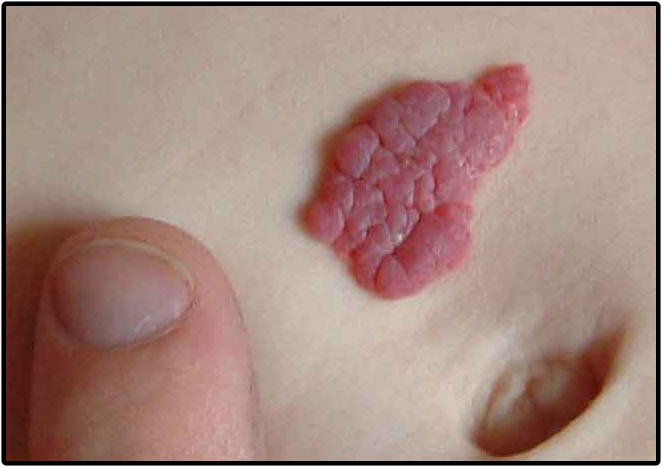
Hemangiomas are benign growths of blood vessels that can appear anywhere in the body, most commonly on the skin or internal organs. They are typically categorized as capillary hemangiomas (superficial, small vessels) or cavernous hemangiomas (deep, larger vascular spaces). Hemangiomas are most prevalent in infants, affecting approximately 4–5% of children under one year of age. While most hemangiomas are self-limiting and undergo spontaneous regression, certain cases require medical or surgical intervention, especially when they interfere with vital functions such as vision, breathing or feeding.
Causes of Hemangioma
- Type I: This type develops after an injury or illness without any confirmed damage to a major nerve. It was previously called Reflex Sympathetic Dystrophy (RSD).
- Type II: This type occurs when there is a known injury to a specific nerve. It was formerly known as Causalgia.
Based on its duration, CRPS may also be:
The exact cause of hemangiomas is not fully understood, but several factors have been identified:
- Genetic Predisposition: Certain gene mutations may predispose individuals to abnormal blood vessel growth.
- Placental Cell Hypothesis: Some studies suggest that hemangiomas may arise from placental endothelial cells that migrate to the fetus.
- Prematurity and Low Birth Weight: Infants born prematurely or with low birth weight are at higher risk.
- Female Gender Predominance: Hemangiomas are more commonly seen in girls.
- Hormonal Influences: Estrogen may play a role in the proliferation of hemangioma cells
Key Facts About Hemangioma
- Most hemangiomas are benign and do not metastasize.
- They often appear within the first few weeks of life and grow rapidly during the first 6–12 months.
- Spontaneous regression occurs in 50–90% of cases by the age of 5–10 years.
- Hemangiomas are classified based on depth and location: superficial (cutaneous), deep (subcutaneous), or mixed.
- Complications are rare but can include ulceration, bleeding, functional impairment, or cosmetic concerns.
Signs and Symptoms
- Red or purplish lesions on the skin, sometimes raised and firm.
- Soft, compressible swelling in subcutaneous hemangiomas.
- Rapid growth phase during the first year of life, followed by a slow involution phase.
- Ulceration or bleeding in large or traumatized lesions.
- Functional impairment if located near the eyes, mouth, or airway.
- Asymptomatic in most superficial or small lesions.
Parts Involved
- Skin: Most common site, especially the face, scalp, and neck.
- Internal Organs: Liver, brain, or gastrointestinal tract in rare cases.
- Airway: Hemangiomas in the larynx or trachea can cause breathing difficulties.
- Visceral Hemangiomas: Can affect liver, spleen, or other organs, occasionally leading to high-output heart failure.
Management of Hemangioma
Observation (Watchful Waiting)
- Most small, uncomplicated hemangiomas require no intervention.
- Regular monitoring is essential to assess growth and potential complications.
Medical Therapy
- Beta-blockers
- Topical Beta-blockers
- Corticosteroids
- Other Agents: Interferon-alpha or vincristine in rare, complicated cases.
Surgical Intervention
- Indicated for hemangiomas causing functional impairment, bleeding, ulceration, or significant cosmetic concern.
- Techniques include excision, laser therapy, or sclerotherapy.
Laser Therapy
- Pulsed-dye laser for superficial or ulcerated hemangiomas.
- Reduces redness and promotes healing in select cases.
Supportive Care
- Protecting ulcerated hemangiomas from infection.
- Pain management for ulcerated lesions.
- Parental counseling regarding natural courses and potential complications.
Ayurvedic perspective and Management
In Ayurveda, the hemangioma of skin that is seen over face and skin can be correlated with Kushtha or abnormal growths due to vitiation of Rakta Dhatu and Pitta Dosha, often combined with Kapha imbalance in deeper lesions. Whereas, when the other organs are involved, the very pathogenesis is because of Rakta Dhatu and Pitta dosha vitiation, however, the vata and kapha dosha are also involved. In other words, vascular anomalies and tumor-like growths are often categorized under Kushtha (Skin diseases), a tridoshaja disease (that involves all the three doshas), due to the involvement of Rakta Dhatu (blood tissue) and Pitta Dosha. So, here, both the concept of kushtha (skin disarray) and all the dosha vitiation and involvement of rakta dhatu (blood) and mamsa (muscle) dushti (vitiation) are to be considered.
Causes (Hetu)
- Pitta Prakopa (Aggravation of Pitta Dosha)
- Excessive heat, sun exposure, spicy or acidic diet and emotional stress increase Pitta, leading to inflammation and abnormal growths.
- Rakta Dushti (Vitiation of Blood Tissue)
- Improper digestion, toxin accumulation (Ama) or genetic predisposition disturb Rakta Dhatu, predisposing to vascular proliferation.
- Kapha Involvement
- In deeper or firm hemangiomas, Kapha contributes to accumulation and structural formation of abnormal tissue.
- Congenital or Genetic Predisposition
- Infants with weaker Agni (digestive/metabolic fire) or Prakriti imbalances may develop vascular growths.
- External Factors
- Trauma, infection or repeated irritation can act as precipitating factors.
Samprapti (Pathogenesis)
The Ayurvedic pathogenesis of hemangioma can be described as follows. However, at the same time the condition of skin diseases starts with the ama formation but not to forget, Ayurveda believes that the deeds of prior lives can impact the present life with leprosy/skin conditions. With the improper/faulty diet and lifestyle, leads to faulty digestion and ama (endotoxins) generates. When these ama (toxins) flow through the body, it finds seats to accumulate there and hampers the very functioning of the particular part. When this occurs, normal or physiological communication between the body cells is hampered and that results in compilations or unwanted growth of cells, pain, inflammation. Other symptoms vary from dosha to dosha involvement.
- Dosha Imbalance:
- Primary: Pitta (inflammatory and proliferative tendencies).
- Secondary: Kapha (structural formation, nodularity).
- Tertiary: Vata may contribute to irregular growth patterns or ulceration.
- Dushya (Tissues Involved):
- Rakta Dhatu: Main tissue affected, causing red, vascular lesions.
- Mamsa Dhatu (muscle tissue): Deep lesions may involve subcutaneous tissue.
- Medas Dhatu (fat tissue): Sometimes involved in nodular hemangiomas.
- Twak Dhatu (skin): Superficial lesions manifest visibly on the skin surface.
- Srotas Involvement:
- Rakta and Mamsa Srotas (blood and muscle microchannels) obstruction leads to improper circulation and proliferation of blood vessels.
- Ama Accumulation:
- Toxins from impaired digestion settle in Rakta and Mamsa Dhatu, acting as nidus for abnormal growth.
- Manifestation (Vyakti):
- Rapid growth in infancy or slow progression in adults depending on Dosha dominance and local factors.
Signs and Symptoms (Lakshana)
- Color: Bright red for superficial hemangiomas; bluish for deeper ones.
- Texture: Soft, compressible, or nodular depending on depth.
- Growth Pattern: Rapid proliferation in early months, followed by spontaneous regression.
- Complications: Ulceration, bleeding, or interference with vital functions (e.g., vision, breathing).
- Cosmetic Concerns: Facial or visible lesions may cause psychological stress.
Parts Involved
- Twak Dhatu (Skin): Face, scalp, neck, trunk, extremities.
- Subcutaneous Tissue: Nodular or cavernous hemangiomas involve Mamsa and Medas Dhatu.
- Visceral Hemangiomas: Rarely, liver, spleen, or gastrointestinal tract may be affected.
Ayurvedic Management
1. Shodhana (Detoxification Therapies)
- Virechana (Purgation): Eliminates Pitta toxins and cleanses blood channels and aids digestion.
- Raktamokshana (Bloodletting): Localized or generalized, reduces vitiated Rakta, prevents lesion progression.
2. Shamana (Pacification Therapies)
- Herbal Formulations:
- Haridra (Curcuma longa) – Anti-inflammatory and antioxidant.
- Neem (Azadirachta indica) – Antimicrobial, supports skin healing.
- Guduchi (Tinospora cordifolia) – Immunomodulator, reduces Pitta.
- Tulsi (Ocimum sanctum) – Detoxifies blood, balances Doshas.
- Amla (Emblica officinalis) – Antioxidant, supports Rakta Dhatu.
- Medicated Oils for External Application:
- Nimba Taila, Haridra Paste – Reduce redness, swelling, and inflammation.
3. Dietary Recommendations
- Pitta-pacifying diet: Avoid spicy, sour, and oily foods.
- Emphasize cooling, hydrating foods: cucumber, coconut water, milk, green leafy vegetables.
- Include natural antioxidants: amla, turmeric, pomegranate.
4. Lifestyle and Preventive Measures
- Protect skin from excessive sun exposure.
- Maintain proper hygiene to prevent secondary infection.
- Avoid trauma or irritation to affected areas.
- Ensure balanced sleep and stress reduction.
5. Yoga and Pranayama
- Asanas:
- Surya Namaskar – Improves circulation and lymphatic flow.
- Bhujangasana (Cobra Pose) – Enhances blood flow to the chest and face.
- Trikonasana (Triangle Pose) – Promotes detoxification and overall circulation.
- Pranayama:
- Anulom Vilom (Alternate Nostril Breathing) – Balances Doshas, reduces Pitta.
- Bhramari (Bee Breath) – Calms mind, reduces stress-induced inflammation.
- Meditation: Supports immune function and holistic healing.
Herbal Remedies by Planet Ayurveda for Hemangioma
Planet Ayurveda is a globally recognized organization dedicated to providing authentic Ayurvedic healthcare solutions rooted in the ancient ayurvedic wisdom of India. The brand emphasizes natural and holistic wellness by offering a wide range of herbal products, including capsules, powders, syrups, oils and decoctions, all formulated from carefully selected herbs. Adhering strictly to classical Ayurvedic principles, Planet Ayurveda ensures that each product is prepared with precision and purity, maintaining the potency of its natural ingredients. By combining traditional knowledge with modern quality standards, the organization aims to support overall health, balance the body’s doshas—Vata, Pitta, and Kapha—and address various chronic and lifestyle-related health conditions. With a strong commitment to sustainable practices and ethical sourcing of herbs, Planet Ayurveda provides reliable, safe, and effective natural remedies for individuals worldwide. Its holistic approach bridges ancient Ayurveda with contemporary wellness needs, promoting preventive care and natural healing. Planet Ayurveda is delighted to present its products for the management of Hemangioma.
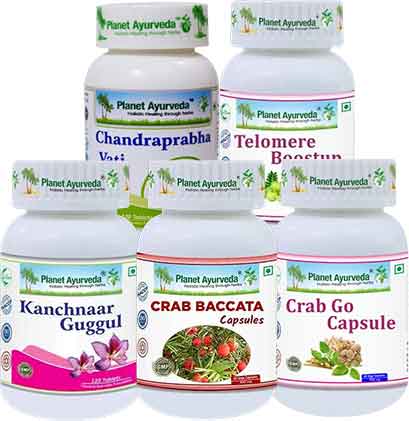
List of products for Hemangioma
- Kanchnaar Guggul
- Crab Baccata Capsules
- Crab Go Capsule
- Chandraprabha Vati
- Telomere Boostup

Product Description
1. Kanchnaar Guggul
Kanchnaar Guggul is a classical potent herbal formulation effective in managing hemangiomas due to its combined actions on abnormal tissue growth and inflammation. It contains Kanchanar (Bauhinia variegata) bark, Guggul (Commiphora mukul) resin, along with supportive herbs like Haritaki, Bibhitaki, and Amalaki. Kanchanar exhibits cytotoxic and antiproliferative properties, helping to control excessive growth of blood vessels and nodular formations seen in hemangiomas. Guggul provides anti-inflammatory and antioxidant benefits, reducing tissue inflammation and oxidative stress that contribute to lesion progression. The other herbs in the formulation aid in detoxification, support healthy Rakta Dhatu (blood tissue) and modulate immune function, promoting proper nourishment and circulation in affected tissues. Together, these herbs enhance tissue repair, prevent abnormal proliferation and support overall skin and vascular health, making Kanchnaar Guggul a comprehensive herbal product for addressing hemangiomas naturally and effectively.
Dosage : Two tablets twice a day.
2. Crab Baccata Capsules
Crab Baccata Capsules, formulated with the standardized extract of Taxus baccata, offer a multifaceted approach to managing hemangiomas. The active compound, taxol, exhibits potent anti-inflammatory properties, which can help mitigate the rapid growth phase of hemangiomas by reducing inflammation. Additionally, taxol’s cytotoxic effects promote apoptosis in aberrant endothelial cells, potentially aiding in the regression of the vascular lesions. This dual action—suppressing inflammation and inducing cell death—aligns with therapeutic strategies aimed at controlling hemangioma proliferation and facilitating natural involution. Furthermore, the formulation’s emphasis on detoxification and balancing of bodily humors complements conventional treatments, enhancing overall efficacy. By addressing both the structural and functional aspects of hemangiomas, Crab Baccata Capsules provide a comprehensive approach to their management.
Dosage : One capsule twice a day.
3. Crab Go Capsule
Crab Go Capsule is a herbal supplement formulated by Planet Ayurveda with a blend of potent ingredients known for their therapeutic properties. Ashwagandha (Withania somnifera) is renowned for its adaptogenic and anti-inflammatory effects. Shatavari (Asparagus racemosus) supports immune function and acts as a natural antioxidant. Haridra (Curcuma longa), commonly known as turmeric, possesses anti-inflammatory and antioxidant properties. Giloy (Tinospora cordifolia) is recognized for its immune-boosting and detoxifying effects. Gokshura (Tribulus terrestris) supports overall vitality and has anti-inflammatory properties. Tulsi (Ocimum tenuiflorum) is known for its antioxidant and anti-inflammatory effects. Ardrak (Zingiber officinale), or ginger, possesses anti-inflammatory and digestive properties. Together, these ingredients contribute to the management of abnormal cell growths by reducing inflammation, oxidative stress, and supporting immune health. This combination may aid in addressing conditions like hemangiomas by promoting overall well-being and supporting the body’s natural healing process.
Dosage : Two capsules twice a day.
4. Chandraprabha Vati
Chandraprabha Vati combines a powerful blend of Shilajit (Asphaltum), Guggul (Commiphora mukul), Haridra (Turmeric), Giloy (Tinospora cordifolia), Vacha (Acorus calamus), Chavya (Piper chaba) Vidanga (Embelia ribes), Shunthi (Zingiber officinale), Maricha (Piper nigrum), Pippali (Piper longum), supportive salts, warming spices etc. Shilajit enhances cellular renewal and resilience, supporting tissue regeneration. Guggul’s anti-inflammatory properties help reduce swelling around vascular growths. Turmeric and Amalaki offer strong antioxidant effects, protecting delicate blood vessels from oxidative stress. Giloy boosts natural immunity and supports balanced inflammation. The digestive stimulants in the formulation enhance metabolism, facilitating toxin clearance and improving circulatory health. The included salts aid in absorption and cellular detox pathways. Together, this combination enhances systemic detoxification, reduces inflammation, strengthens tissue integrity, and promotes healthy microcirculation. Chandraprabha Vati thus provides holistic support in encouraging gradual stabilization and possible regression of hemangiomas while bolstering overall skin and vascular health.
Dosage : Two tablets twice a day.
5. Telomere Boostup
Telomere Boostup is a herbal formulation of Planet Ayurveda that supports the management of hemangiomas by promoting cellular health and reducing inflammation. Its ingredients such as Giloy (Tinospora cordifolia), Ashwagandha (Withania somnifera), Grape seed (Vitis vinifera), Amla (Emblica officinalis) and Moringa (Moringa oleifera), collectively provide potent antioxidant, anti-inflammatory and immune-modulatory effects. Giloy helps detoxify the blood and balance Pitta and Rakta, reducing vascular inflammation and preventing abnormal blood vessel proliferation. Ashwagandha enhances overall vitality and strengthens tissue resilience, supporting healthy repair mechanisms in affected areas. Grape seed and Amla are rich in antioxidants that combat oxidative stress, which can otherwise damage cells and exacerbate hemangioma growth. Moringa nourishes tissues and maintains proper metabolic function, promoting healthy circulation and cellular regeneration. By improving digestion, reducing endotoxin accumulation, supporting tissue nutrition and modulating the body’s immune response, Telomere Boostup aids in managing hemangiomas, reducing inflammation and enhancing natural tissue repair and skin health.
Dosage : One capsule twice a day.
Conclusion
Hemangiomas, though typically benign, represent a unique vascular growth that can vary in severity depending on size, location, and rate of proliferation. While many regress naturally over time, awareness of their etiology, clinical presentation, and potential complications is crucial, especially for lesions affecting vital areas like the eyes, airway, or internal organs. Management strategies are diverse, ranging from observation for small, uncomplicated hemangiomas to medical therapy, laser interventions, or surgical approaches for symptomatic or high-risk lesions. Supportive care, including hygiene, sun protection, and monitoring, plays an essential role in reducing complications. From an Ayurvedic perspective, hemangiomas are understood as disturbances involving Rakta Dhatu and Pitta Dosha, with possible contributions from Kapha and Vata, depending on depth and chronicity. Holistic approaches addressing lifestyle, diet, and dosha balance, along with modern interventions when required, offer a comprehensive framework for safe and effective hemangioma management
FAQs
1. What is a hemangioma?
A hemangioma is a non-cancerous growth made up of extra blood vessels. It can appear on the skin or inside the body and often looks like a red or purplish bump.
2. Are hemangiomas cancerous?
No, hemangiomas are benign, meaning they do not spread to other parts of the body. Most are harmless and do not turn into cancer.
3. What causes hemangiomas in infants and children?
The exact cause is unknown, but factors like genetics, premature birth, low birth weight, and hormonal influences may contribute.
4. Can hemangiomas appear in adults?
Yes, although less common, adults can develop hemangiomas, especially on the skin or internal organs.
5. Which areas of the body are commonly affected by hemangiomas?
Hemangiomas often appear on the face, scalp, neck, or trunk. Rarely, they can form in the liver, brain, or airway.
6. Do all hemangiomas require treatment?
No, many small hemangiomas shrink naturally over time. Treatment is usually needed only if they cause pain, bleeding, functional problems, or cosmetic concerns.
7. What are the possible complications of hemangiomas?
Complications may include ulceration, bleeding, interference with vision, breathing, or feeding, and sometimes psychological distress due to appearance.
8. How are hemangiomas diagnosed?
Diagnosis is mainly through physical examination. Imaging tests like ultrasound or MRI may be used to check deeper or internal hemangiomas.
9. What are the common treatment options for hemangiomas?
Treatment can include observation, medications like beta-blockers or corticosteroids, laser therapy, or surgery for problematic lesions. Supportive care like protecting the skin is also important.
10. How does lifestyle or diet affect hemangioma management in Ayurveda?
Pitta-pacifying foods, avoiding excessive heat, sun exposure, spicy or oily foods, and maintaining hygiene can help prevent complications and support natural healing.