Lipaglyn (Saroglitazar) – Natural Support for Fatty Liver, Cholesterol & Metabolic Health
Introduction
Lipaglyn is a cutting-edge prescription medication specifically developed to manage complex metabolic disorders. Its active ingredient is Saroglitazar, a novel dual PPAR (peroxisome proliferator-activated receptor) agonist that acts simultaneously on both alpha and gamma receptors to regulate lipids and glucose. Clinically, Lipaglyn is prescribed to treat diabetic dyslipidemia and hypertriglyceridemia in patients with type 2 diabetes whose cholesterol and fat levels are not controlled by statins alone. By improving insulin sensitivity and reducing liver fat, it effectively lowers high triglycerides and non-HDL cholesterol, significantly reducing cardiovascular and metabolic risks.
Saroglitazar
Saroglitazar belongs to an innovative class of medications known as glitizars. It is a non-thiazolidinedione (non-TZD) and non-fibric acid derivative designed as a targeted therapeutic agent to manage coexisting lipid and glucose abnormalities. The drug’s clinical efficacy relies on its unique dual PPAR-$\alpha/\gamma$ agonist mechanism, which simultaneously activates two distinct nuclear receptors that regulate gene transcription:
- Predominant PPAR-$\alpha$ Activation: Saroglitazar acts strongly on alpha receptors in the liver. This stimulates the $\beta$-oxidation of fatty acids and increases the activity of lipoprotein lipase. As a result, the liver clears triglycerides more efficiently, reduces the secretion of Very Low-Density Lipoprotein (VLDL), and increases the synthesis of cardioprotective High-Density Lipoprotein (HDL-C).
- Moderate PPAR-$\gamma$ Activation: It concurrently acts on gamma receptors to enhance peripheral insulin sensitivity. By promoting healthy adipocyte differentiation, it safely directs free fatty acids away from visceral organs (like the liver and pancreas) and into subcutaneous fat tissue. This alleviates lipotoxicity and improves GLUT4-mediated glucose uptake.
By fine-tuning both nuclear pathways simultaneously, Saroglitazar directly lowers harmful triglycerides, reduces insulin resistance, and minimizes liver fat accumulation without causing the severe weight gain or fluid retention historically associated with pure PPAR-$\gamma$ medications.
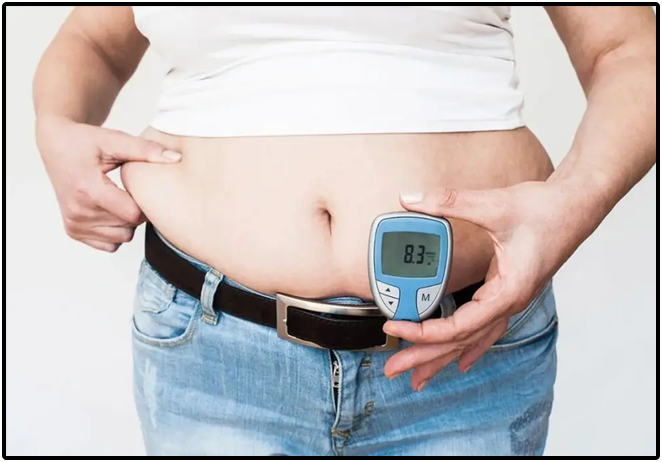
Where Does Lipaglyn Fit in Modern Metabolic Care?
It concurrently targets insulin resistance and lipid dysfunction. It effectively closes the gap where standard monotherapies fall short.
1. Crucial Role in Diabetic Dyslipidemia
Diabetic dyslipidemia is typically characterized by the “atherogenic triad”: high triglycerides, low HDL (“good”) cholesterol, and a high concentration of small, dense LDL particles. While first-line statins excel at lowering overall LDL cholesterol, they often leave behind a substantial residual cardiovascular risk tied to persistent triglyceride elevations. Lipaglyn fits into modern care as a robust add-on therapy to statins, safely modifying the entire atherogenic lipid subfraction profile without the typical muscle toxicities associated with combining statins and traditional fibrates.
2. Targeted Hypertriglyceridemia Management
When triglycerides are severely elevated, the risk of acute pancreatitis increases. Lipaglyn’s strong affinity for the PPAR-$\alpha$ nuclear receptor stimulates the liver to burn fatty acids rapidly while upregulating lipoprotein lipase. This directly curbs the liver’s synthesis and secretion of Very Low-Density Lipoprotein (VLDL), bringing down serum triglyceride levels effectively while providing a concurrent reduction in blood glucose ($HbA1c$) via its moderate PPAR-$\gamma$ activity.
3. Growing Interest in Fatty Liver-Related Conditions
One of Lipaglyn’s most significant evolutionary milestones in metabolic medicine is its expanding indication for liver disease. It is increasingly utilized to manage
- MASLD (Metabolic Dysfunction-Associated Steatotic Liver Disease, formerly NAFLD)
- MASH (Metabolic Associated Steatohepatitis, formerly NASH)
Because ectopic fat accumulation in the liver is driven by systemic insulin resistance and circulating free fatty acids, Lipaglyn treats the root mechanism. Phase III and Phase IV clinical data demonstrate that it significantly reduces hepatic steatosis (fat accumulation), lowers elevated liver enzymes (ALT/AST), and improves liver stiffness markers, preventing the progressive transition from simple fatty liver to hepatic fibrosis.
What Benefits Does It Offer?
Lipaglyn (Saroglitazar) delivers a comprehensive, multi-pronged approach to metabolic health. By acting on both lipid and glucose pathways simultaneously, it provides four distinct clinical advantages.
1. Robust Reduction in Triglyceride Levels
Elevated triglycerides are a primary driver of residual cardiovascular risk and, at extreme levels, acute pancreatitis. Lipaglyn activates PPAR-$\alpha$ receptors in the liver, which significantly accelerates the breakdown ($\beta$-oxidation) of fatty acids and upregulates the clearing enzyme lipoprotein lipase. Clinical studies demonstrate that it routinely lowers serum triglyceride levels by 45% to 46%, clearing the bloodstream of harmful fats.
2. Correction of the Atherogenic Cholesterol Profile
Beyond simply dropping triglycerides, Saroglitazar alters the quality and distribution of circulating cholesterol particles
- Reduces Non-HDL Cholesterol: It lowers overall non-HDL-C and Apolipoprotein B (Apo B), directly reducing the concentration of plaque-forming particles in the arteries.
- Optimizes Particle Size: It reduces the dangerous “small, dense” LDL particles, shifting them toward larger, less atherogenic forms.
- Boosts HDL: It encourages the synthesis of Apolipoprotein A1, leading to a sustained increase in cardioprotective HDL (“good”) cholesterol.
3. Improvement in Glucose Metabolism
Thanks to its moderate PPAR-$\gamma$ activation, Lipaglyn enhances insulin sensitivity in peripheral tissues like skeletal muscle and adipose tissue. It helps the body utilize insulin more efficiently, facilitating better glucose uptake. On average, patients see a reduction in $HbA1c$ (glycated hemoglobin) of 0.3% to 0.7%, providing stable, complementary glycemic control alongside dedicated anti-diabetic medications.
4. Broad Metabolic Advantages & Liver Fat Clearance
Because Saroglitazar addresses the underlying systemic lipotoxicity, its benefits extend straight into the liver
| Metabolic Advantage | Clinical Mechanism | Patient Outcome |
| Hepatic Steatosis Reduction | Diverts free fatty acids away from internal organs and into safe subcutaneous storage. | Significantly reduces liver fat in patients with MASLD/MASH. |
| Liver Enzyme Normalization | Decreases lipotoxic stress and localized inflammation within hepatic tissue. | Lowers ALT and AST levels, indicating reduced liver injury. |
| Favorable Safety Profile | Exhibits only moderate, balanced activity at the PPAR-$\gamma$ receptor site. | Avoids the weight gain, fluid retention, and edema typical of older glitazones. |
Who May Be Prescribed Lipaglyn?
- Adults with Metabolic Syndrome: Patients who have Type 2 Diabetes combined with a severe, stubborn lipid imbalance (very high triglycerides and low HDL cholesterol).
- Statin-Resistant Dyslipidemia: Patients whose LDL (“bad”) cholesterol is managed by statins, but who still have high residual cardiovascular risk due to persistently high triglycerides.
- Fatty Liver Diseases (MASLD/MASH): Patients with significant liver fat accumulation, elevated liver enzymes (ALT/AST), or early-stage liver stiffness.
- Primary Biliary Cholangitis (PBC): Patients dealing with this chronic, autoimmune liver disease affecting the bile ducts.
Safety Matters: What to Know Before Starting!
Before initiating therapy with Lipaglyn (Saroglitazar), a comprehensive clinical evaluation is essential. Understanding its safety parameters, potential interactions, and risk profiles ensures optimal patient outcomes.
Precautions and Warnings
- Myopathy Monitoring: Patients should be monitored for unexplained muscle pain, tenderness, or weakness. Periodic assessment of creatine kinase (CK) levels is advisable, especially if muscle symptoms arise.
- Fluid Retention & Weight Gain: While Saroglitazar exhibits a significantly lower risk of fluid retention than older pure PPAR-$\gamma$ agonists, clinicians should watch for unexpected peripheral edema or rapid weight gain.
- Hepatic & Renal Tracking: Periodic monitoring of liver function tests (LFTs) and serum creatinine/eGFR is recommended to track organ response to the medication.
Contraindications
Lipaglyn should not be prescribed to individuals with:
- Hypersensitivity: A known allergy or hypersensitivity to Saroglitazar or any excipients in the tablet.
- Severe Hepatic Impairment: Active liver disease, unexplained persistent elevations of serum transaminases, or severe hepatic cirrhosis.
- Severe Renal Impairment: Advanced or end-stage chronic kidney disease (CKD).
- History of Pancreatitis: Active or a high risk of acute pancreatic inflammation.
Drug Interactions
- Other Anti-diabetic Agents: Concomitant use with insulin or sulfonylureas may enhance the glucose-lowering effect, requiring careful monitoring to prevent hypoglycemia.
- Statins & Fibrates: Co-administration with statins is generally safe but increases the theoretical risk of additive muscle toxicities; combining it with traditional fibrates is typically unnecessary.
- Other Medications: Potential interactions with narrow therapeutic index drugs, such as certain blood thinners (e.g., warfarin) or immunosuppressants (e.g., cyclosporine), warrant close clinical supervision.
Special Populations and Clinical Guidelines
| Population | Clinical Guidance |
| Pregnancy | Not recommended. Safety data in pregnant women is highly limited; it should be avoided unless explicitly deemed necessary by a specialist. |
| Breastfeeding | Avoid. It is unknown whether Saroglitazar is excreted into human breast milk. Nursing mothers should avoid use to prevent potential infant risk. |
| Geriatrics | Exercise Caution. Elderly patients may have a higher baseline risk of age-related renal or hepatic decline, necessitating careful monitoring and personalized dosing. |
| Pediatrics | Contraindicated. Safety and efficacy profiles have not been established in children and adolescents under 18 years of age. |
Possible Side Effects
- Gastrointestinal: Mild indigestion (dyspepsia), gastritis, nausea, and abdominal discomfort.
- Systemic: Mild headaches, temporary weakness (asthenia), or low-grade fever.
- Muscular: Occasional muscle pain (myalgia) or weakness, especially when combined with high-dose statins.
- Hypoglycemia: Increased risk of low blood sugar only when paired with insulin or sulfonylureas.
Essential Monitoring Protocol
- Baseline: Check liver enzymes (LFTs), kidney function (creatinine/eGFR), HbA1c, and fasting lipids before starting.
- Early Check (4–6 Weeks): Screen for muscle pain and monitor blood sugar logs to adjust concurrent diabetes medications.
- Efficacy Review (3 Months): Re-test triglycerides, HbA1c, and liver transaminases (ALT/AST) to quantify improvements.
- Long-Term Care (6+ Months): Perform semi-annual kidney and liver function panels to ensure ongoing safety and tissue health.
Standard Dosage Guidelines
- Standard Adult Dose: The recommended therapeutic dose is 4 mg taken orally once a day.
- Timing: The tablet should be swallowed whole with water. It is ideally taken at the same time each day to maintain steady-state concentrations in the blood.
- Relation to Food: Lipaglyn can be taken with or without food, as its systemic absorption is not significantly altered by dietary fat or caloric intake.
Ayurveda’s insight
In classical Ayurveda, the complex condition managed by Lipaglyn—characterized by coexisting elevated blood sugars, high triglycerides, and liver fat accumulation—is understood as a systemic disruption of Agni (the central metabolic and digestive fire). When Agni is impaired (Agnimandya), food is not completely broken down, leading to the formation of Ama (metabolic toxins). This sticky, pathogenic material enters the circulatory system (Rasa-Rakta Vaha Srotas) and impairs fat tissue metabolism (Medodhatvagnimandya)
This pathogenesis mirrors the underlying mechanisms of Metabolic Syndrome:
- Srotorodha (Channel Blockage): The accumulation of abnormal fat (Meda) and Ama blocks the subtle micro-channels of the body, leading to tissue-level insulin resistance.
- Yakritodara / Medoroga: The liver (Yakrit) is a foundational site for fat metabolism. When overloaded with excess Kapha (heavy, unctuous qualities) and Meda, it results in a fatty liver state, directly correlating to modern MASLD (Metabolic Dysfunction-Associated Steatotic Liver Disease).
The therapeutic strategy in Ayurveda does not merely seek to suppress serum lipid numbers. Instead, it employs Kapha-Meda Hara Chikitsa—treatments designed to scrape away excess fat, rekindle tissue-level digestion, and clear channel blockages.
Best Natural & Herbal Alternatives
While pharmaceutical agents like Saroglitazar act as synthetic nuclear receptor agonists, several classical Ayurvedic botanicals possess profound, clinically backed properties that support lipid clearance, insulin sensitivity, and hepatoprotection.
1. Guggulu (Commiphora mukul)
Universally recognized as the premier Medohara (fat-clearing) oleo-gum-resin. It possesses Tikta-Katu (bitter-pungent) tastes, Ushna (heating) potency, and a highly specialized Lekhana (scraping) property. This allows it to penetrate deep into the circulatory channels (Rasa-Rakta Vaha Srotas), liquefying and scraping away stagnant, heavy Ama and excess lipid accumulations (Meda Dhatu) that compromise vascular integrity. The active phytosterols, specifically E- and Z-guggulsterones, act as highly effective antagonists against the farnesoid X receptor (FXR), a critical nuclear receptor governing cholesterol and bile acid homeostasis. By modulating this pathway, Guggulu downregulates hepatic cholesterol synthesis, significantly reduces circulating serum triglycerides, and prevents atherogenic plaque formation within the arterial walls.
2. Katuki (Picrorhiza kurroa)
A deeply valued, intensely bitter root classified as a premier Deepana-Pachana (digestive-rekindling) and Bhedaniya (purgative/bile-regulating) agent. It targets the liver (Yakrit) and spleen (Pleeha), forcefully expelling accumulated Kapha sluggishness and Pitta heat, thereby clearing deep-seated metabolic toxins (Ama) that congest the hepatic pathways. Packed with iridoid glycosides like picroside I and II, Katuki exerts profound hepatoprotective and choleretic properties. It directly stimulates bile flow to clear accumulated triglycerides from the liver parenchyma. Furthermore, it downregulates pro-inflammatory cytokines, shields liver cell membranes from lipid peroxidation, and successfully restores elevated serum ALT and AST enzymes to baseline parameters.
3. Bhumyamalaki (Phyllanthus niruri
A gentle yet highly effective small herb celebrated for its Tikta (bitter) taste and Sheeta (cooling) potency. It works symmetrically on the liver and kidneys, pacifying irritated Pitta and dry Vata. It excels at restoring smooth metabolic flow through the channels, correcting fatty liver conditions (Yakritodara), and cleansing the blood plasma. Rich in unique lignans like phyllanthin and hypophyllanthin, it exhibits powerful lipid-lowering and insulin-sensitizing mechanisms. Bhumyamalaki acts directly at the hepatic cellular level, inhibiting lipid peroxidation and reducing triglycerides. By mitigating oxidative stress within hepatocytes, it safely clears fatty infiltrates from liver tissue and reverses early-stage metabolic-associated steatotic liver disease (MASLD).
3. Haridra (Curcuma longa)
A foundational rhizome featuring Katu-Tikta (pungent-bitter) tastes and Ushna (warming) potency. It functions as a master Vishaghna (antitoxin) and Srotas-Shodhana (channel-purifier). Haridra thins and dries excess, sticky Kapha and Meda, resolving metabolic stagnation while purifying the blood and restoring optimal tissue-level cellular intelligence. Its primary polyphenol, curcumin, functions as a highly effective natural multi-PPAR (peroxisome proliferator-activated receptor) modulator. It blocks the critical $NF-\kappa B$ genetic transcription pathway, which dramatically calms the chronic, low-grade systemic tissue inflammation that fuels cellular insulin resistance. This targeted anti-inflammatory action protects hepatocytes from progressive injury, actively halting the advancement of metabolic-associated steatohepatitis (MASH) and hepatic fibrosis.
4. Fenugreek (Methika)
Fenugreek is an exceptional metabolic regulator that bridges Ayurvedic wisdom with modern clinical pharmacology. In Ayurveda, its Katu-Tikta (pungent-bitter) profile and Ushna (warming) potency kindle the fat-tissue fire (Medo-Agni), effectively scraping away stagnant Ama and clearing blocked circulatory channels. Scientifically, its rich galactomannan soluble fiber delays carbohydrate absorption to smooth out blood glucose spikes. Concurrently, its unique phytochemical 4-hydroxyisoleucine acts as a natural insulin sensitizer, while its steroid saponins inhibit dietary fat absorption and downregulate hepatic lipogenesis. This combined action significantly lowers circulating triglycerides, improves $HbA1c$, and systematically reduces fat accumulation within liver tissue.
4. Integrative Systemic Approaches
For a truly alternative or complementary approach to Lipaglyn, herbs alone are insufficient; the underlying metabolic stagnation must be physically cleared through lifestyle and detoxification.
| Therapeutic Pillar | Ayurvedic Rationale | Modern Physiological Mechanism |
| Virechana (Therapeutic Purgation) | A cornerstone Panchakarma detox that forcefully expels excess Pitta, Kapha, and Ama from the liver and digestive tract. | Stimulates massive bile secretion and clears systemic endotoxins, which resets the gut-lung/gut-liver axis and reduces hepatic fat load. |
| Udvartana (Dry Powder Massage) | Deep massage utilizing dry, heating herbal powders (like Triphala or Kolittha) performed in a direction opposite to hair growth. | Stimulates lymphatic drainage, mobilizes subcutaneous fat deposits, and upregulates metabolic rate through peripheral nerve stimulation. |
| Pathya Ahara (Targeted Diet) | Consuming bitter, astringent, and easily digestible foods. Incorporating Yava (barley), Methika (fenugreek seeds), and warm water. | Lowers the glycemic index of meals, reduces circulating free fatty acids, and prevents the liver from synthesizing excess VLDL. |
Conclusion
Ultimately, Lipaglyn (Saroglitazar) offers a powerful dual approach to treating modern metabolic syndrome by targeting both stubborn lipid imbalances and insulin resistance. However, long-term health is achieved by looking beyond synthetic nuclear receptor agonists. By integrating modern clinical therapies with classical Ayurvedic approaches, such as Kapha-Meda Hara Chikitsa and targeted herbs like Guggulu, Katuki, and Fenugreek, we can address the root cause of metabolic issues. This combined strategy safely lowers triglycerides, reduces harmful liver fat, and restores the body’s digestive fire (Agni). Blending advanced pharmacology with systematic lifestyle changes ensures a comprehensive, highly personalized path toward lasting metabolic and cardiovascular wellness.