Ayurvedic Treatment for Candidiasis – Natural Ways to Manage Fungal Infections
Abstract
Fungal infections are a significant and growing concern in modern healthcare, affecting individuals of all ages and immune statuses. They range from superficial skin and mucosal infections to severe systemic diseases with high morbidity and mortality. Among these, candidiasis is a prominent infection, caused by the opportunistic yeast Candida species. Understanding its pathogenesis, risk factors, clinical spectrum, and management is crucial for effective treatment and prevention. This article explores candidiasis in detail, integrating modern medical insights with traditional Ayurvedic perspectives to provide a comprehensive approach for clinicians and patients alike.
Introduction
Candidiasis is among the most common fungal infections affecting humans, caused primarily by species of Candida, a genus of opportunistic yeasts that inhabit the skin, mucous membranes, and gastrointestinal tract. Under normal physiological conditions, Candida remains part of the body’s commensal microbiota, regulated by a balance of beneficial bacteria, immune surveillance, and epithelial integrity. However, disruptions in these controlling mechanisms can lead to excessive proliferation and symptomatic infection. This condition ranges from superficial mucocutaneous involvement to invasive systemic disease, especially in individuals with immunocompromised states. Over the last decades, candidiasis has drawn increasing clinical attention due to rising antibiotic misuse, lifestyle factors, metabolic disorders, and the widespread use of medical devices that create favorable environments for fungal growth. Because of its multifaceted presentation, understanding candidiasis requires a holistic analysis that integrates microbiological mechanisms, host-pathogen interactions, therapeutic limitations, and supportive traditional knowledge of Ayurveda.
Etiology
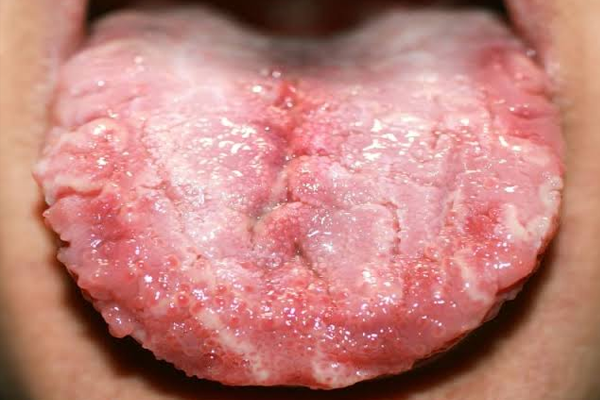
Candidiasis refers to infections produced by species of Candida, with Candida albicans being the most prevalent pathogen. Other clinically important species include C. glabrata, C. tropicalis, C. krusei, and C. auris, the latter known for multidrug resistance and hospital outbreaks. These fungi normally exist harmlessly within the human microbiome. Transition from commensalism to pathogenicity occurs when local or systemic conditions create an environment favorable for fungal invasion. Factors such as pH alterations, immune suppression, hormonal changes, nutritional imbalances, and mucosal injuries all contribute to this shift. Colonization often precedes infection, meaning individuals may carry Candida without active symptoms until triggers permit overgrowth.
Types of Candidiasis
1. Oropharyngeal Candidiasis (Oral Thrush)<
This form affects the oral cavity, presenting as creamy white patches on the tongue, palate, and inner cheeks. It frequently occurs in infants, elderly individuals, denture users, and those on inhaled corticosteroids.
2. Vulvovaginal Candidiasis (VVC)
A very common condition among women of reproductive age, VVC presents with itching, burning, and thick curdy discharge. Fluctuations in estrogen, antibiotic use, diabetes, and poor genital hygiene increase susceptibility.
3. Cutaneous Candidiasis
This includes infections in intertriginous areas such as the groin, armpits, and under breast folds. Warm, moist environments promote fungal growth, making this common in obese individuals and people with excessive sweating.
4. Diaper Dermatitis
Infants frequently develop candidial diaper rash due to moisture, prolonged contact with wet diapers, and disrupted skin barrier.
5. Invasive Candidiasis
This severe form involves bloodstream infection (candidemia) or deep organ involvement such as the liver, spleen, kidneys, and heart valves. It is common among hospitalized patients, those with central venous catheters, immunosuppression, or prolonged ICU stay,
Symptoms
Oropharyngeal Symptoms
- Creamy white plaques that can be scraped off
- Painful swallowing
- Cracks at the corners of the mouth
- Cotton-like sensation in the mouth
- Altered taste
Vulvovaginal Symptoms
- Intense itching and irritation
- Thick, white, curd-like discharge
- Burning sensation, especially during urination
- Redness and swelling around the vulva
Cutaneous Symptoms
- Red, moist patches with satellite pustules
- Itching and rawness
- Cracking in skin folds
Systemic Symptoms
When the infection becomes invasive
- Fever not responsive to antibiotics
- Hypotension
- Organ dysfunction
- Persistent sepsis symptoms in hospitalized patients
Diagnosis
1. Physical Examination
Mucosal and cutaneous lesions often have characteristic appearances—white plaques, erythematous patches, or curd-like discharge.<
2. Microscopic Examination
Potassium hydroxide (KOH) mount, Gram stain, or wet mount can reveal budding yeast cells or pseudohyphae.
3. Culture
Samples from oral, vaginal, or systemic sources are cultured on Sabouraud dextrose agar or CHROMagar to identify species-level infection.
4. Blood Tests
5. Molecular and Serological Tests
PCR-based assays and beta-D-glucan tests are helpful for early detection, especially in ICU patients.
6. Imaging
Management
- Topical Antifungals
- Systemic Antifungals
Ayurvedic Perspective of Candidiasis
In Ayurveda, candidiasis aligns with Aupasargika Vyadhi (infectious diseases) and Krimi (microbial overgrowth) and symptoms include Kandu (itching disorders) and discomfort and vitiation of pitta and kapha dosha. Disruption in Agni (digestive fire), Dosha imbalance, and Mala dushti permit pathogenic organisms to flourish. Accumulated Ama (toxins) weaken immunity (Vyadhikshamatva), allowing yeasts to proliferate.
Ayurvedic Pathogenesis (Samprapti)
- Weak digestive fire → accumulation of Ama (endotoxins)
- Ama alters pH and mucosal immunity and hampers usual Dhatu Poshan Krama and leads to low immunity (Ojas).
- Kapha aggravating diet and deeds provides a moist, sticky environment.
- Pitta vitiation leads to inflammation and burning sensation.
- Low Ojas reduces resistance against opportunistic microbes and dosha vitiation provides more susceptible conditions for these microbes to flourish.
This sequence perfectly correlates with the biological reality of dysbiosis and immune dysregulation.
Ayurvedic Management
1 Shodhana (Purification Therapy
- Mridu Virechana (mild purgation) with herbs like Trivrit or Avipattikar Churna
2. Shamana (Pacification Therapy)
Herbs with antifungal, anti-inflammatory, and immunomodulatory properties include:
- Neem (Azadirachta indica) – strong antimicrobial and detoxifying
- Guduchi (Tinospora cordifolia) – enhances immunity and balances all three doshas
- Khadira (Acacia catechu) – beneficial in skin and mucosal infections
- Turmeric (Curcuma longa) – curcumin inhibits fungal growth and reduces inflammation
- Triphala – improves gut flora, digestion, and detoxification
- Daruharidra (Berberis aristata) – rich in berberine with antifungal action
3. External Applications
- Neem oil for cutaneous infections
- Triphala decoction wash for oral and genital involvement
- Yashtimadhu (licorice) for soothing inflamed mucosa
4. Diet Guidelines (Pathya-Apathya)
Recommended
- Warm, light, easy-to-digest food
- Garlic, turmeric, bitter vegetables
- Probiotics like homemade buttermilk
- Adequate hydration
Avoid
- Sugar, refined flour, yeast-containing foods
- Excessive salt and heavy, oily meals
- Fermented foods
- Alcohol
5. Lifestyle Modifications
- Maintaining dryness in skin folds
- Wearing loose cotton clothing
- Proper genital hygiene
- Avoiding unnecessary steroid or antibiotic use
- Practicing yoga and pranayama to improve immunity
Complications
If untreated, candidiasis may lead to:
- Recurrent vulvovaginal infections
- Esophagitis
- Urinary tract involvement
- Candidemia and septic shock
- Renal, hepatic, or cardiac complications
- Vision loss in ocular involvement
- Biofilm-associated catheter infections
- Multi-organ involvement in severely immunocompromised patients
Invasive candidiasis carries significant mortality, especially among hospitalized individuals.
Prevention
Effective prevention integrates hygiene, immune optimization, and metabolic balance:
- Limiting unnecessary antibiotic and steroid use
- Maintaining controlled blood glucose
- Wearing breathable clothing
- Keeping mucosal and skin surfaces dry
- Using probiotics after antibiotic therapy
- Regular oral hygiene
- Strengthening immunity through balanced eating and lifestyle choices
Herbal Remedies by Planet Ayurveda for Candidiasis
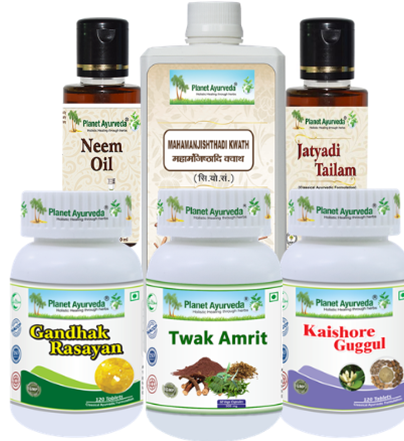

Planet Ayurveda is a globally recognized Ayurvedic healthcare brand dedicated to promoting natural wellness through authentic and effective herbal formulations. The company emphasizes the use of pure, chemical-free, and ethically sourced ingredients to create products that support holistic health, immunity, and overall vitality. By combining the wisdom of classical Ayurveda with modern manufacturing standards, Planet Ayurveda ensures safety, potency, and consistency in every product. Offering a wide range of natural supplements, classical medicines, and wellness solutions, Planet Ayurveda has become a trusted choice for individuals seeking sustainable, plant-based remedies for preventive care and the management of various health conditions. Planet Ayurveda is extremely pleased to present its list of products that are of great use in the management of Candidiasis.
Product list
- Gandhak Rasayan
- Mahamanjishthadi Kwath
- Kaishore Guggul
- Twak Amrit
- Neem Oil
- Jatyadi Thailam
Product description
1. Gandhak Rasayan
Gandhak Rasayan is a classical Ayurvedic formulation renowned for its broad-spectrum therapeutic benefits. In the management of candidiasis, it shows potent antifungal, anti-pruritic, and blood-purifying properties that target both the symptoms and root causes of the condition. The primary ingredient, purified sulphur (Shuddha Gandhak), inhibits fungal proliferation, alleviates inflammation, and provides relief from itching, burning, and discomfort. By balancing the aggravated Pitta and Kapha doshas and purifying Rakta Dhatu (blood tissue), Gandhak Rasayan helps check the infection and prevent recurrent episodes. Its Rasayana (rejuvenating) effect further strengthens skin immunity, promotes tissue repair, and facilitates detoxification by improving Agni (digestive and metabolic fire) and reducing Ama (toxins). Regular use of Gandhak Rasayan not only eradicates active fungal lesions but also restores natural skin texture and resilience, making it a great remedy that addresses both the physiological and systemic aspects of candidiasis.
Dosage – Two tablets twice a day.
2. Mahamanjishthadi Kwath
Mahamanjishthadi Kwath is a classical Ayurvedic decoction that supports the management of candidiasis through its multifaceted actions. It primarily works by purifying the blood (Rakta Dhatu) and detoxifying the system, which helps reduce the internal factors that promote fungal overgrowth. The combination of herbs such as Manjistha (Rubia cordifolia), Neem (Azadirachta indica), Daruharidra (Berberis aristata), and Guduchi (Tinospora cordifolia), vidang (Embelia ribes), Khadir (Acacia catechu) and other herbs provides potent antifungal, anti-inflammatory, and immune-modulating effects, relieving itching, redness, and discomfort. By balancing aggravated Pitta and Kapha doshas, the decoction creates an internal environment unfavorable for fungal proliferation, while simultaneously supporting Agni (digestive fire) and reducing Ama (toxins) to strengthen systemic immunity. Additionally, it restores normal skin texture.
Dosage – Two tsp twice a day
3. Kaishore Guggul
Kaishore Guggul is a classical ayurvedic medicine and is a potent blood cleanser and anti-inflammatory medicine. Kaishore Guggul is composed of a number of herbs like Guduchi (Tinospora cordifolia), Guggul (Commiphora mukul), Marich (Piper nigrum), Pippali (Piper longum), Vidanga (Embelia ribes), Amla (Emblica officinalis), Bibhitaki (Terminalia bellirica), Haritaki (Terminalia chebula), and several others. All these herbs have antimicrobial, antipruritic, blood cleansing properties and the formulation increases digestive fire and removes endotoxins from the body and helps in building immunity to check the growth of the invading fungal infections. With regular use of Kaishore Guggul, candidiasis can be well managed and chances of its recurrence lessened.
Dosage – Two tablets twice a day.
4. Twak Amrit
Twak Amrit Capsules are a product of Planet Ayurveda. The formulation contains herbs namely Manjishtha (Rubia cordifolia), Pitpapda (Fumaria officinalis), Sariva (Hemidesmus indicus), and Neem (Azadirachta indica), each known in Ayurveda for their Rakta Shodhana (blood cleansing) and Pitta‑Kapha pacifying properties. By calming aggravated Pitta and Kapha doshas that manifest as itching, redness, and irritation in fungal conditions, Twak Amrit promotes a more balanced internal environment less favorable for fungal persistence. Additionally, its skin‑supportive and healing actions enhance tissue repair and overall dermal health, helping to restore healthy skin texture. Twak Amrit acts as a supportive adjunct in candidiasis management by strengthening internal detoxification, mitigating inflammation, and promoting systemic immune balance
Dosage – One capsule twice a day
5. Neem Oil
Neem Oil by Planet Ayurveda is a potent herbal oil formulation that harnesses the therapeutic properties of Neem (Azadirachta indica). Renowned for its antipruritic, anti-inflammatory, wound-healing, and antimicrobial effects, this oil is highly effective in managing candidiasis. Bioactive compounds such as nimbidin and azadirachtin work to directly inhibit fungal growth while soothing symptoms like itching, burning, and redness. By balancing Pitta and Kapha doshas, Neem Oil helps purify the skin, prevent the spread of infection, and accelerate healing, all while reducing the risk of recurrence, making it a holistic and reliable remedy for fungal skin conditions.
7. Jatyadi Thailam
Jatyadi Thailam is a classical Ayurvedic oil formulation designed for topical application on affected skin areas. It combines the wound-healing, anti-pruritic, and anti-inflammatory properties of numerous skin-benefiting herbomineral ingredients such as Chameli (Jasminum officinale), Neem (Azadirachta indica), Mulethi (Glycyrrhiza glabra), Kushtha (Saussurea lappa), Haridra (Curcuma longa), Katuki (Picrorhiza kurroa), Shuddha Tutha (Copper sulphate), Karanj Beej (Pongamia pinnata), Til Taila (Sesamum indicum), Shveta Sariva (Hemidesmus indicus), Lodhra (Symplocos racemosus), and several others. The goodness of these herbs makes Jatyadi Thailam especially effective in managing candidiasis, as it soothes irritation, promotes healing of lesions, reduces inflammation, and restores healthy skin.
Direction to use : Take enough quantity of both the oils and apply to the affected region two times a day.
Conclusion
Candidiasis represents a complex interplay between fungal opportunism and host vulnerability. Although Candida is naturally present within the human body, disturbances in microbial balance, immunity, or metabolic health can convert it into a pathogenic organism capable of causing a spectrum of infections—from mild mucocutaneous disorders to life-threatening systemic disease. Modern medicine provides highly effective antifungal therapies, yet recurrence remains common when underlying risk factors are not addressed. Ayurveda adds an invaluable dimension by emphasizing digestive health, detoxification, immunity (Vyadhikshamatva), and sustainable lifestyle practices. Integrating scientific treatment with holistic care offers the most comprehensive approach to managing and preventing candidiasis. The above mentioned products of Planet Ayurveda are of great benefit in addressing the condition of Candidiasis.