ITP (Idiopathic Thrombocytopenic Purpura) Management in Ayurveda – Natural & Holistic Care Approach
Abstract
ITP is an autoimmune disorder that is characterized by a low platelet count in the bloodstream, leading to an increased risk of bleeding. So, autoimmune disorders are conditions in which the body’s immune system attacks its own body instead of defending it. In an autoimmune disorder, autoantibodies attack healthy tissues, causing tissue damage, inflammation, and sometimes leading to organ dysfunction. Idiopathic thrombocytopenia is also known as Immune thrombocytopenia. In this, platelet destruction leads to the development of purpura, small, pinpoint hemorrhages that appear beneath the skin as a result of bleeding. In Ayurveda, ITP can be related to Tiryakgata Raktapitta(bleeding occurs through the external body orifices located laterally), such as the nose, mouth, eyes, ears, and skin pores. Ayurvedic treatment of ITP offers a wide range of approaches. This article mainly focuses on causes, symptoms, diagnosis, treatment (according to modern terminology), and ayurvedic review of ulcerative colitis diseases and herbal remedies, and also the ayurvedic treatment for these diseases.
Introduction
Immune thrombocytopenia (ITP) is a hematological disorder characterized by impaired blood clotting due to reduced platelet levels. Whenever an injury occurs, platelets combine with several clotting factors to close the damaged vessel and reduce bleeding. If the platelet count drops, the blood cannot clot properly, which results in this condition. It often leads to excessive or unusual bleeding, even from minor cuts or injuries. This disorder can be seen in individuals of any age group, including adults and children.ITP can be a serious condition; the prognosis is generally favourable for most people, especially when the disease is diagnosed and managed early.
Types
There are two types of ITP
- Acute thrombocytopenic purpura: This is the most prevalent form of ITP, primarily affecting younger children, though it can also appear in older children and adults. Acute ITP usually shows up after a viral infection and starts very suddenly. Clinical features generally resolve spontaneously within a few weeks and almost always within 6 months. No treatment is needed for this. Acute ITP does not occur again.
- Chronic thrombocytopenic purpura:– It may possibly develop in individuals of any age group. It is a long-term condition that can persist for months or years. It can affect both adults and children. Women are more likely to be affected by this disorder. It often requires long-term treatment.
Causes
The exact cause of Immune Thrombocytopenic Purpura (ITP) is often unknown, especially in primary ITP, but there are several factors that can contribute to its development. Here are the main causes:
- Immune system abnormalities such as rheumatoid arthritis and lupus.
- Viral diseases such as varicella (chickenpox), hepatitis C, and HIV.
- Mildly progressive lymphoma and leukemia.
- Adverse effects of certain medications.
Symptoms
- Easy bruising
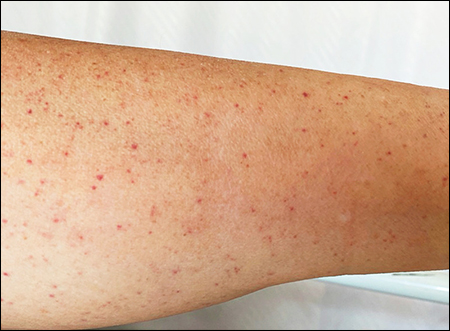
- Petechiae
- Purpura
- Prolonged bleeding
- Increased menstrual blood loss
- Fatigue
- Internal bleeding
- Enlarged spleen (splenomegaly)
- In pregnancy, ITP leads to significant hemorrhage during childbirth.
Daignosis
Diagnosis of ITP involves a series of steps to confirm a low platelet count and rule out other potential causes of thrombocytopenia. They are as follows:
- Medical history
- Physical examination to check common signs of ITP, such as bruising, petechiae, purpura, as well as enlarged spleen.
- Blood tests such as
- Complete blood examination
- Peripheral smear test
- Bleeding time (BT) and Clotting time (CT)
- Antibody testing to check autoantibodies against platelets.
- Bone marrow test
Treatment
The treatment plan may vary depending on age, symptoms, overall health condition, and the level of severity of the disorder.
- Steroids such as dexamethasone, prednisone, etc.
- Intravenous immune globulin therapy (IVIG)
- Anti-D immune therapy
- Platelet administration
Ayurvedic View on ITP
According to Ayurveda, ITP is correlated with Tiryakgata Raktapitta, which comes under Raktapitta disorders. It is a bleeding disorder in which rakta (blood) is vitiated by the Pitta dosha. So, mainly the doshas involved here in this condition are Rakta and Pitta. This condition is mainly caused by Pitta imbalance, which causes inflammation in the body and then leads to bleeding.
Nidana(Causes)
1. Aaharaja Nidāna (Dietary Causes)
- a) Intake of Tikshna, Ushna, Amla, Lavana, and Katu Rasa (hot, pungent, sour, and salty foods) in excess.
- b) Consumption of alcohol and fermented foods.
- c) Excessive oily, spicy, and fried food.
- d) Irregular food habits or skipping meals disturb Agni (digestive fire) and cause Pitta aggravation.
2. Viharaja Nidana (Lifestyle Causes)
- a) Exposure to hot climate conditions or fire for long durations.
- b) Sleeping during daytime(disturbs Dosha balance).
3. Manasika Nidāna (Psychological Factors)
- Chinta (worry), Shoka (grief), Bhaya (fear), and Krodha (anger)disturb Pitta and Rakta and cause tiryak raktpitta.
Agantuja Nidana (External Causes)
a) Exposure to toxins or poisons (Visha), which vitiate Pitta and Raktab)Injury or Trauma causes damage to Tiryak Dhamanis (superficial vessels).
1. Puravroop (Prodormal Symptoms)
- Jawar (fever)
- Kandu (Itching)
- Twak Paridaha (Burning or irritation on the skin)
- Twak Vaivarnya (skin discolouration)
- Sparsha Asahatva (Intolerance to touch)
- Ushna Sparsha (Feeling of hotness over the skin on touching)
- Klama (Tiredness)
2. ROOP(SYMPTOMS)
- Bleeding beneath the skin
- Reddish or purple patches
- Bleeding from external orifices of the body, such as the eyes, nose, mouth, and ears
- Bhrama (Vertigo)
3. Samprapati(Pathogenesis)
- Pitta Aggravating Diet & Lifestyle
- Increase in Pitta Dosha
- Pitta dosha becomes aggravated
- Aggravated Pitta enters Rakta Dhatu (Blood Tissue)
- Rakta Dhatu (Blood Tissue) becomes aggravated
- Increase in Ushna (heat) and Drava (fluidity) qualities of Rakta (Blood Tissue)
- Loss of normal density & equilibrium of Rakta Dhatu (Blood Tissue)
- Rakta (Blood Tissue) and other Dhatus (Tissues) begin to come out through the tiryak dhamanis (Oblique body channels)
- Tiryagata Raktapitta
Samprapati Ghatak(Pathological Components)
- Dosha (humor)- Pitta Pradhana Tridoshaja
- Dushya (affected tissues)- Rakta (blood), Rasa (plasma), mamsa (muscle), Sira (blood vessel)
- Agni (fire)- Jatharagni (digestive fire), Dhatvagni (metabolic fire), Bhutagni(fire that possesses elements)
- Aama(toxin) – Kostha (stomach)
- Srotas (channel)- Raktavaha (channel carrying blood), Rasavaha (channel carrying plasma), Annavaha (channel carrying food), and other Srotas according to Avastha.
- Sroto Dusti – Sanga (congested), Vimarga Gamana (improper movement), and Atipravrutti (excessive flow)
- Adhistana (location) -Yakrit (liver) and Pliha (spleen)
- Vyaktasthana (site of manifestation) – Tiryaka Bahya Srotas
- Rogamarga (path of disease progression) – Bahya (outer) and Abhyantara (interior)
- Sadhyasadhyata: Ekadosha – Sadhya
Management According To Ayurveda
According to Ayurveda, the treatment mainly focuses on balancing pitta, promoting blood health, and purifying the ama (toxins) from the body. Pitta and rakta (blood) normalizing drugs such as Guduchi (Tinospora cordifolia), Kutaj (Holarrhena antidysenterica), Ashwagandha (Withania somnifera), and Brahmi (Bacopa monnieri). Panchkarma therapies such as virechana (purgation) and raktamokshana (bloodletting) can be used in detoxification of the body and cleansing the blood. The combination of cooling, detoxifying, and immune-strengthening herbs, along with proper lifestyle modification, can help manage these conditions effectively.
Do’s And Don’t’s
- Include natural cooling foods in your diet, such as coconut water, sugarcane juice, milk, ghee, and cucumber can be highly beneficial.
- Limit exposure to heat and sunlight and manage triggers such as stress and anger.
- Practicing light yoga postures along with Sheetkari and Sheetali Pranayama.
- Avoid spicy, hot, sour, salty, fried, and fermented food.
Herbal Remedies for Itp By Planet Ayurveda
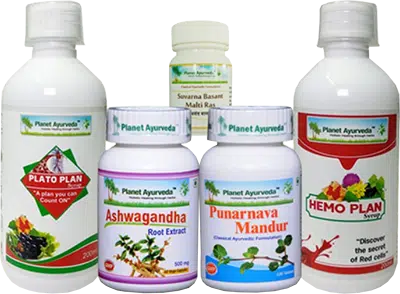
Planet Ayurveda is a globally trusted Ayurvedic brand dedicated to restoring health and harmony through the authentic principles of Ayurveda. Founded by Dr. Vikram Chauhan (MD-Ayurveda), the company focuses on delivering 100% natural herbal formulations prepared in a GMP-certified facility under stringent quality standards. The brand emphasizes a holistic approach to healing by addressing the root causes of ailments rather than just symptomatic relief. Its unwavering commitment to purity, transparency, and sustainability makes Planet Ayurveda a symbol of authentic Ayurvedic care. Planet Ayurveda offers a wide range of products for chronic, lifestyle, autoimmune, and metabolic disorders, along with personalized Ayurvedic consultation services worldwide. For the Treatment of ITP, Planet Ayurveda has ITP LEVEL-1 (BASIC PACK). It includes the following medicines:-

Product List
- Plato Plan Syrup
- Ashwagandha Capsules
- Punarnava Mandur
- Hemo Plan Syrup
- Swarn Vasantmalti Ras
Products Description
1. Plato Plan Syrup
Plato Plan Syrup is a purely herbal syrup formulation designed to boost platelet count and support blood health naturally. It contains potent Ayurvedic herbs such as Draksha (Vitis vinifera), Ashwagandha (Withania somnifera), Erand karkati (Carica papaya), Giloy (Tinospora cordifolia), Amalaki (Emblica officinalis), Shigru (Moringa pterygosperma), Jeevanti(Leptadenia reticulata), and Wheatgrass (Triticum aestivum), which work to enhance hematopoiesis (blood formation) and support healthy blood clotting. It helps in raising platelet levels, managing inflammation, increasing red blood cell production, and reducing oxidative stress.
Dosage:-1-2 teaspoons twice a day after meals with water.
2. Ashwagandha Capsules
Ashwagandha Capsule is a single herbal capsule formulation that is made using pure standardized extract of Withania somnifera (Ashwagandha) root, known for its adaptogenic and rejuvenating properties. It helps to regulate an overactive immune response, which is responsible for platelet destruction. It supports bone marrow function, manages flare-ups related to stress, and strengthens Rakta Dhatu and helps in platelet formation.
Dosage:-2 capsules twice daily after meals with water.
3. Punarnava Mandur
Punarnava Mandoor by Planet Ayurveda is a tablet formulation that is designed to support healthy liver function, fluid balance, and blood formation. It contains Punarnava (Boerhavia diffusa) and Mandoor Bhasma (ferric oxide calx) and some other herbs that have anti-inflammatory and immunomodulatory effects. This formulation acts as a Raktavardhak (blood-enhancer), which helps in reducing autoimmune-related inflammation, reducing bleeding tendency, and supporting platelet formation. It also enhances haemoglobin level and improves overall immune health.
Dosage:- 1-2 tablets twice or thrice a day with lukewarm water after meals.
4. Hemo Plan Syrup
Hemoplan Syrup is a natural herbal syrup formulation that is made for improving hemoglobin levels and purifying the blood. It contains herbs like Manjistha (Rubia cordifolia), Shatavari (Asparagus racemosus), Draksha (Vitis vinifera), Ashwagandha (Withania somnifera), Punarnava (Boerhavia diffusa), and some other herbs. It serves as a blood-enriching tonic and also has a rejuvenating action. It helps in the purification of blood and manages associated bleeding tendencies. It also enhances iron absorption and strengthens blood quality.
Dosage:-1-2 teaspoons twice a day with water after meals.
5. Swarn Vasant Malti Ras
Swaran Vasant Malti Ras is a tablet formulation that contains ingredients like Swarna Bhasma (Gold Calx), Kharpara Bhasma (Calamine), Mukta Bhasma (Pearl Calx), Gandhak (Purified Sulphur), Maricha (Black Pepper), and other preparations. This formulation helps to stimulate bone marrow, which helps in enhancing platelet count. It also reduces the destruction of existing platelets and boosts the immune system of the body.
Dosage – 1 tablet daily, chewed with lukewarm water.
Conclusion
In this article, we see that Immune Thrombocytopenic Purpura (ITP) is a bleeding disorder characterized by a low platelet count. In Ayurveda, it can be related to Tiryakgata Raktapitta (bleeding tendency due to vitiated blood channels), accompanied by an imbalance of Doshas, mainly Pitta and Rakta Dhatu (blood tissue). Modern management mainly focuses on corticosteroids, which often cause adverse effects, and IVIG. Alternatively, Ayurveda focuses on an immune-restorative approach using herbs such as Punarnava (Boerhavia diffusa), Amalaki (Emblica officinalis), Ashwagandha (Withania somnifera), Giloy (Tinospora cordifolia), and Swarna Bhasma (Gold calx) for rejuvenation (Rasayana), immunomodulation, and stabilizing platelet function. Ayurvedic management mainly focuses on balancing doshas, blood purification, and Rasayana Chikitsa to boost immunity, control the underlying cause, and eradicating the root cause of those diseases.