Abstract
Think of your immune system as your body’s personal security team- always on the lookout for unwanted intruders called pathogens. In auto-immune diseases, this security team gets confused and starts attacking your own healthy cells, as if they are the enemy, creating chaos inside your body. With the right treatment and lifestyle adjustments, many people can keep their symptoms under control and live healthy, active lives. One such autoimmune disease is Scarcoidosis. In this, the body’s immune system goes into overdrive and starts forming tiny clumps of inflammatory cells in various organs. While it can pop up almost anywhere, the lungs and lymph nodes are its favorite spots. The exact cause remains a mystery, like in all auto-immune diseases. In India, sarcoidosis is estimated to affect 61.2 to 150 individuals per 100,000 population, though this may be underestimated due to diagnostic difficulties and frequent confusion with tuberculosis.
Introduction
Sarcoidosis is a rare, auto-immune disease characterised by formation of lumps or nodules, called granulomas. A granuloma is an area of inflammation made up of white blood cells trying to protect the body from harmful agents. Granulomas are surrounded by fibrous (dense) tissue, which appears as hard lumps. Sarcoidosis affects females more than males and the age group that is usually affected by it is between 25 to 40 years of age. Its sudden onset is called Lofgren Syndrome. It mainly manifests in lungs and lymph nodes but also affects eyes, skin, heart, liver, spleen, nervous system and other organs. The condition can suddenly appear with symptoms like persistent cough, shortness of breath or skin rashes. It usually progresses silently and is sometimes found during routine checkups. If left untreated in early stages, it leads to long term inflammation and organ damage. Because of its unpredictable nature and broad spectrum of manifestations, it is hard to catch. Timely diagnosis and appropriate management can maintain the affected organ health and improve overall quality of life.
Types
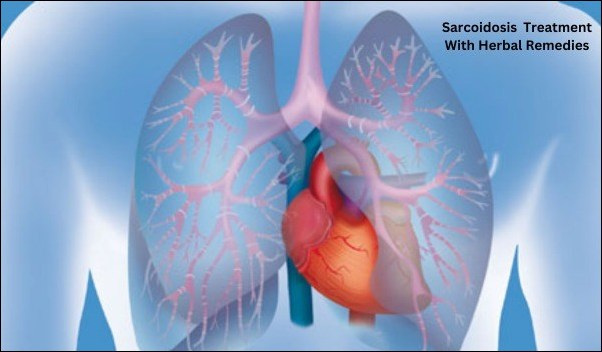
It may manifest anywhere in the body. Depending upon the most common body parts involved, it is of the following types-
- Pulmonary Sarcoidosis- Involves lungs and is the most common type.
- Skin Sarcoidosis- Also known as Cutaneous Sarcoidosis. Mostly seen in Black population.
- Ocular Sarcoidosis- It affects the eyes and the most common eye disease that manifests is Uveitis.
- Cardiac Sarcoidosis- It is a rare condition with severe symptoms which may prove fatal.
- Neurosarcoidosis- Nearly any part of the nervous system can be affected, including the brain, spinal cord, cranial and peripheral nerves, hypothalamus, pituitary gland, and muscles.
- Renal Sarcoidosis- Not very common, renal sarcoidosis can lead to kidney inflammation, granuloma formation, and calcium stones, potentially causing kidney failure.
Causes
As it is an autoimmune disease, the exact cause of this disease is difficult to pinpoint. Though, it is believed to be the result of an exaggerated immune response to certain environmental factors, mycobacterial infections. Its prevalence and severity among different ethnic groups, suggests a strong genetic influence as well.
Symptoms
Symptoms vary depending on the organ affected. General symptoms seen in the patients are-
- Fever.
- Fatigue.
- Joint pain.
- Muscle weakness or aches.
- Swollen lymph nodes.
- Unexplained weight loss.
- Night sweats.
Pulmonary Sarcoidosis symptoms
As sarcoidosis mainly affects lungs, it is called Pulmonary sarcoidosis in case just the lungs are involved.
- Dyspnea (Shortness of breath) that gets worse on physical activity .
- Persistent dry cough
- Chest pain
- Wheezing
Symptoms on Skin
- Growths under the skin, especially around scars.
- Discoloration of skin.
- Appearance of rashes (reddish purple papules) across cheeks and nose.
- Deeper nodules and plaques are seen as bluish chilblain-like swellings of the fingers, nose and ears (lupus pernio).
- Erythema nodosum (Red, tender bumps on the shin).
Symptoms in Eyes
- Eye pain.
- Conjunctivitis (Red eyes).
- Optic neuritis (Blurred vision or loss of vision).
- Sensitivity to light.
Symptoms in Heart
- Chest pain.
- Heart palpitations.
- Arrhythmia (Irregular heartbeat).
- Shortness of breath.
- Heart failure, in later stages.
Symptoms in Nervous system
- Chronic headache.
- Facial paralysis.
- Vision problems.
- Impaired sensation.
- Muscle weakness.
- Balance difficulties.
- Bowel and bladder control issues.
Symptoms in Kidneys
- Kidney inflammation.
- Formation of sarcoid granulomas in the kidneys.
- Development of calcium-based kidney stones.
Diagnosis
- Detailed history of symptoms.
- Physical examination- Enlarged lymph nodes, skin rashes, conjunctivitis etc.
- X-ray of chest- May reveal lung involvement by granulomas in lungs, lymph nodes, fibrosis or scarring.
- CT scan and MRI- Gives a clearer image and helps to detect the active inflammation or extrapulmonary involvement (heart or nervous system).
- Liver Function Test and Kidney Function Test- To detect organ involvement.
- Biopsy- It is the gold standard. Finding of non-caseating granulomas confirms the inflammatory nature.
Treatment
- Corticosteroids- Prednisone, cortisone to reduce inflammation.
- Immunosuppressants- Methotrexate.
- NSAIDs- Provides temporary relief to the symptoms.
Ayurvedic overview
Ayurveda says that our Tridoshas (Vata, Pitta and Kapha) are responsible for the state of harmony as well as chaos in our body. When these Doshas (Fundamental biological energies) are in their Prakrit (Natural/Balanced) form, our body and mind functions at their optimum efficiency. While, when they are in their Vikruta (Imbalanced) form, they manifest as various diseases depending upon the Srotas (Channels carrying substances in our body) and Dhatus (Seven fundamental body tissues) involved. According to Ayurveda, Sarcoidosis is a Vata dominant Vyadhi (Disease) with involvement of Ama (metabolic endotoxins) production in the body, due to impaired Jatharagni (Digestive fire) and ultimately there is involvement of Pranavaha (Channels responsible for the flow of vital life force, respiration, and oxygen supply) and Rasavaha (Channels that carry and circulate nutritive fluid / plasma / lymph) Srotas as well. Later, it manifests everywhere in the body.
Ayurveda believes that all the diseases originate from Udar (Stomach) due to Ama (Metabolic endotoxins). Ama (Metabolic endotoxins) generates due to consuming Atibhojan (Overeating), Viruddha Ahara (Incompatible foods), Adhyashan (Eating again although the previous meal is not digested), Shushka Bhojan (Dry food), Vidahi Bhojan (Foods that cause burning sensation), from Vegavidharan (Suppression of urges like urination) and from some mental factors like Krodha (Anger), Eershya (Jealousy) etc. This Ama (Metabolic endotoxins) then obstructs our Pranavaha (Channels responsible for the flow of vital life force, respiration, and oxygen supply) and Rasavaha Srotas (Channels that carry and circulate nutritive fluid / plasma / lymph), which then further aggravates Vata dosha and all these combinedly manifests as symptoms like Shwasa Kashtata (Shortness of breath), Sashoola Shwasa (Pain while breathing), Klaibya (Weakness), Mukhvairasya (Distasteful mouth), Angamarda (Generalised pain), Jwara (Fever), Sandhishoola (Pain in the joints) and Shushka Kasa (Dry cough). Other body parts can be affected as well on the basis of where the aggravated Vata dosha acts. Sarcoidosis patients often complain of these problems.
Treatment protocol mainly focuses on reducing Ama (Metabolic Endotoxins) in the body and also on treating the Pranavaha Srotas (Channels responsible for the flow of vital life force, respiration, and oxygen supply). Langhan (Therapeutic fasting), Pachan (Digesting Ama) and Deepan (Increasing digestive fire) are useful in managing Ama (Metabolic endotoxins) in the body. Various formulations like Hingvashtak Churan, Dashmooladi Yavagu, Pathadyasava, Sauvarchaladi Churna, Medicated Ghrita like Dashmooladya Ghrita, Manahashiladi Ghrita are extremely beneficial as well. Panchakarma shodhan (detoxifying) therapies like Vaman (Therapeutic emesis) and Virechan (Therapeutic purgation) can also be used in patients with proper Shareerbala (Endurance and strength in the body).
Dietary habits and lifestyle modifications
- Pathya (Recommended)- Light, warm, freshly prepared food, green leafy vegetables, whole grains. Herbal teas with Tulsi, Ginger, and Mulethi.
- Apathya (To Avoid)- Cold, oily and stale foods, mental stress and sleep irregularity.
- Water intake advised- 2.5-3 Litres per day, unless there’s a heart or kidney issue involved.
- Yogasana- Patients should avoid holding the breath in case of Sarcoidosis as it affects the lungs. Ujjayi pranayama is especially beneficial as it improves lung capacity and overall lung functions.
- Physical exercise- Patients should avoid gymming and strenuous physical exercises.
Herbal Remedies for Sarcoidosis by Planet Ayurveda
Planet Ayurveda is a herbal manufacturing company that offers pure, natural, and authentic Ayurvedic products based on ancient wisdom and modern quality standards. These products are made following strict GMP guidelines. For Sarcoidosis, we have Sarco Care Pack and it includes-
- Punarnava Mandur
- Curcumin Capsules
- Aller-G Care
- Kanchnaar Guggul
- Chitrak Haritaki
- Vasasav

Product Description
1. Punarnava Mandur
These capsules are made from key ingredients like Punarnava (Boerhaavia diffusa), Trivrit (Operculina turpethum) and Mandur Bhasma (Iron oxide calyx) etc. It balances all three doshas (Vata, Pitta and Kapha), acts on the inflammation, regulates immune hyperactivity and maintains Hb level in patients.
Dosage- 2 tablets, two times per day with warm water after meals.
2. Curcumin Capsules
These capsules are made from Haridra (Curcuma longa) and work wonders in combating inflammation in patients of Sarcoidosis. It balances all three doshas (Vata, Pitta, Kapha) in the body, regulates immunity and also protects lung tissue from oxidative stress.
Dosage– 2 capsules, two times per day with warm water after meals.
3. Aller-G Care
These capsules consist of key ingredients like Haridra (Curcuma longa), Neem (Azadirachta indica), Shirish (Albizia lebbeck) and Ashwagandha (Withania somnifera). These herbs primarily balance Pitta and Kapha doshas and also support respiratory function through their bronchodilatory and anti-inflammatory action.
Dosage– 2 capsules, two times per day with warm water after meals.
4. Kanchnaar Guggul
These tablets are made of pure Kanchnar bark (Bauhinia variegata) with Guggul resin (Commiphora mukul)and other herbs to help balance Kapha dosha. It helps prevent fibrotic changes in chronic pulmonary sarcoidosis, supporting lung tissue integrity.
Dosage- 2 tablets, three times per day with warm water after meals.
5. Chitrak Haritaki
This herbal paste has key ingredients like Chitrak (Plumbago zeylanica), Haritaki (Terminalia chebula) and Amalki (Emblica officinalis). It pacifies Kapha dosha and helps in clearing lung mucus, relieves breathlessness, and also stimulates digestive fire.
Dosage– 1 tsp. two times per day.
6. Vasasav
This herbal syrup is made from key ingredients like Vasa (Adhatoda vasica) and Pippali (Piper longum). Due to their cumulative effect, they balance all three doshas (Vata, Pitta and Kapha). This syrup acts as an expectorant and also a bronchodilator, relieving symptoms like breathlessness, cough and congestion.
Dosage– 2 tsp. two times per day.
Conclusion
We conclude that Sarcoidosis is a complex autoimmune disorder characterized by the formation of granulomas in various organs, most commonly the lungs and lymph nodes. Its unpredictable nature and multisystem involvement make early diagnosis and comprehensive management crucial. Conventional treatments like corticosteroids and immunosuppressants help control inflammation, while Ayurvedic interventions focus on removing metabolic toxins (Ama), balancing the doshas, and supporting the affected tissues and channels through detoxification, palliative therapies, and rejuvenation (Rasayana). Lifestyle and dietary modifications, along with gentle yoga and breathing exercises, play an essential role in improving overall health, enhancing lung function, and preventing further complications. With timely and integrative care, patients can effectively manage symptoms, maintain organ function, and improve quality of life, highlighting the importance of a holistic approach in sarcoidosis management.
Frequently Asked Questions ( FAQ’s)
1. What is the life expectancy of someone with Sarcoidosis?
Sarcoidosis does not really affect the life expectancy of almost 95-99% people suffering from it. In the rest of the percentage, it can prove fatal.
2. Can Sarcoidosis turn cancerous?
It is, in fact, related to risk of cancer development in organs like lungs, liver, stomach. It can also cause lymphoma.
3. What diseases are mistaken for Sarcoidosis?
The most common diseases that get confused with are- tuberculosis, lung malignancy, pneumoconiosis and sarcoid-like reactions caused by drugs.
4. Can stress cause Sarcoidosis?
Psychological factors play an important role in the development of Sarcoidosis. So, yes, stress can cause it.
5. How is Sarcoidosis of the eyes diagnosed ?
Ocular Sarcoidosis, an inflammatory disease affecting the eyes, is diagnosed through a combination of eye exams, imaging techniques and sometimes tissue biopsies.
6. What is the main cause of death in Sarcoidosis ?
Cardiac involvement in patients can cause death due to Sarcoidosis.
7. What is the ICD-10 code for Sarcoidosis?
The ICD-10-CM code for Sarcoidosis is D86, which is further specified by location. In lungs, it is coded as D86.0, in lymph nodes, it is coded as D86.1 and in sarcoidosis of both lungs and lymph nodes, it is coded as D86.2.